The Musa and Pharaoh story is the account of Prophet Musa (Moses), peace be upon him, and the tyrant king of Egypt who claimed to be a god. No prophet is named in the Quran more often than Musa, and no story is told in as many places: Surah al-Qasas, Surah Taha, Surah al-A'raf, Surah ash-Shu'ara and Surah Yunus each tell part of it, from a different angle and with a different lesson.
This article puts those passages in order, from the birth of Musa to the drowning of Pharaoh. Every quotation of the Quran below is taken word for word from the Arabic text, with the Saheeh International translation, and every explanation names its source: Ibn Kathir, al-Tabari, al-Sa'di or al-Tafsir al-Muyassar. Where the Quran is silent, we say so, rather than filling the gap with stories that cannot be confirmed.
Allah Himself introduces the story at the opening of Surah al-Qasas as true news “for a people who believe”
(Quran 28:3):
﴿نَتْلُوا۟ عَلَيْكَ مِن نَّبَإِ مُوسَىٰ وَفِرْعَوْنَ بِٱلْحَقِّ لِقَوْمٍ يُؤْمِنُونَ ٣ إِنَّ فِرْعَوْنَ عَلَا فِى ٱلْأَرْضِ وَجَعَلَ أَهْلَهَا شِيَعًا يَسْتَضْعِفُ طَآئِفَةً مِّنْهُمْ يُذَبِّحُ أَبْنَآءَهُمْ وَيَسْتَحْىِۦ نِسَآءَهُمْ ۚ إِنَّهُۥ كَانَ مِنَ ٱلْمُفْسِدِينَ ٤ وَنُرِيدُ أَن نَّمُنَّ عَلَى ٱلَّذِينَ ٱسْتُضْعِفُوا۟ فِى ٱلْأَرْضِ وَنَجْعَلَهُمْ أَئِمَّةً وَنَجْعَلَهُمُ ٱلْوَٰرِثِينَ ٥ وَنُمَكِّنَ لَهُمْ فِى ٱلْأَرْضِ وَنُرِىَ فِرْعَوْنَ وَهَـٰمَـٰنَ وَجُنُودَهُمَا مِنْهُم مَّا كَانُوا۟ يَحْذَرُونَ ٦﴾(3) We recite to you from the news of Moses and Pharaoh in truth for a people who believe. (4) Indeed, Pharaoh exalted himself in the land and made its people into factions, oppressing a sector among them, slaughtering their [newborn] sons and keeping their females alive. Indeed, he was of the corrupters. (5) And We wanted to confer favor upon those who were oppressed in the land and make them leaders and make them inheritors (6) And establish them in the land and show Pharaoh and [his minister] Hāmān and their soldiers through them that which they had feared.
These four ayat are the map of everything that follows. A ruler who “exalted himself in the land”
(Quran 28:4), a people crushed beneath him, and a promise from Allah to “make them leaders and make them inheritors”
(Quran 28:5). The rest of the story is how that promise came true.
Egypt under Pharaoh: why Musa was born in danger
Musa was born in danger because Pharaoh was killing the newborn sons of the Children of Israel. The Quran describes a king who split his people into classes, chose one group to oppress, slaughtered their baby boys and kept their women alive. It ends with a plain verdict: “Indeed, he was of the corrupters.”
(Quran 28:4)
The Quran also names Pharaoh's minister, Haman, and their soldiers. In the next ayah Allah says He would show them “that which they had feared”
(Quran 28:6). Al-Tafsir al-Muyassar explains that what they feared was the loss of their kingdom at the hands of a boy born among the Children of Israel. In other words, the very thing Pharaoh tried to prevent was exactly what Allah had decreed.
The Quran does not give this Pharaoh a personal name, and it does not tell us which dynasty he belonged to. Many guesses circulate online, but none of them is established, and none of them is needed. The Quran tells the story for its meaning, not for a museum label.
Baby Musa and the river
Allah inspired the mother of Musa to nurse her baby and, when she feared for him, to place him in the river. This is one of the most moving scenes in the Quran, and it begins with a command that would seem impossible to any mother:
﴿وَأَوْحَيْنَآ إِلَىٰٓ أُمِّ مُوسَىٰٓ أَنْ أَرْضِعِيهِ ۖ فَإِذَا خِفْتِ عَلَيْهِ فَأَلْقِيهِ فِى ٱلْيَمِّ وَلَا تَخَافِى وَلَا تَحْزَنِىٓ ۖ إِنَّا رَآدُّوهُ إِلَيْكِ وَجَاعِلُوهُ مِنَ ٱلْمُرْسَلِينَ ٧ فَٱلْتَقَطَهُۥٓ ءَالُ فِرْعَوْنَ لِيَكُونَ لَهُمْ عَدُوًّا وَحَزَنًا ۗ إِنَّ فِرْعَوْنَ وَهَـٰمَـٰنَ وَجُنُودَهُمَا كَانُوا۟ خَـٰطِـِٔينَ ٨ وَقَالَتِ ٱمْرَأَتُ فِرْعَوْنَ قُرَّتُ عَيْنٍ لِّى وَلَكَ ۖ لَا تَقْتُلُوهُ عَسَىٰٓ أَن يَنفَعَنَآ أَوْ نَتَّخِذَهُۥ وَلَدًا وَهُمْ لَا يَشْعُرُونَ ٩﴾(7) And We inspired to the mother of Moses, "Suckle him; but when you fear for him, cast him into the river and do not fear and do not grieve. Indeed, We will return him to you and will make him [one] of the messengers." (8) And the family of Pharaoh picked him up [out of the river] so that he would become to them an enemy and a [cause of] grief. Indeed, Pharaoh and Hāmān and their soldiers were deliberate sinners. (9) And the wife of Pharaoh said, "[He will be] a comfort of the eye [i.e., pleasure] for me and for you. Do not kill him; perhaps he may benefit us, or we may adopt him as a son." And they perceived not.
She was told “do not fear and do not grieve”
(Quran 28:7), and she was given two promises at once: her son would come back to her, and he would one day be a messenger. Al-Sa'di calls this one of the greatest glad tidings, given first so that her heart would be calm before she acted. In Surah Taha Allah adds that she was to place him in a chest, and that the river would carry it to the bank where an enemy of Allah would take him (20:39).
The baby was picked up by the family of Pharaoh, the very household that was killing boys like him. The Quran says this happened “so that he would become to them an enemy and a [cause of] grief”
(Quran 28:8). They thought they were rescuing a child. In reality they were raising the one through whom their kingdom would end.
Then Pharaoh's wife spoke. She called the baby “a comfort of the eye”
(Quran 28:9) and asked that he not be killed. The Quran calls her only the wife of Pharaoh; Ibn Kathir names her Asiyah. The ayah ends with a short, heavy phrase: “And they perceived not.”
(Quran 28:9) They had no idea what they had just taken into their home.
In Surah Taha, Allah tells Musa that He placed love for him in people's hearts “that you would be brought up under My eye”
(Quran 20:39). That is the secret of this whole chapter: the baby was never alone in the river.
Musa returned to his mother
Allah returned Musa to his mother by making him refuse every wet nurse until his sister guided the palace to their family. The Quran describes what happened in the mother's heart and how the plan unfolded:
﴿وَأَصْبَحَ فُؤَادُ أُمِّ مُوسَىٰ فَـٰرِغًا ۖ إِن كَادَتْ لَتُبْدِى بِهِۦ لَوْلَآ أَن رَّبَطْنَا عَلَىٰ قَلْبِهَا لِتَكُونَ مِنَ ٱلْمُؤْمِنِينَ ١٠ وَقَالَتْ لِأُخْتِهِۦ قُصِّيهِ ۖ فَبَصُرَتْ بِهِۦ عَن جُنُبٍ وَهُمْ لَا يَشْعُرُونَ ١١ ۞ وَحَرَّمْنَا عَلَيْهِ ٱلْمَرَاضِعَ مِن قَبْلُ فَقَالَتْ هَلْ أَدُلُّكُمْ عَلَىٰٓ أَهْلِ بَيْتٍ يَكْفُلُونَهُۥ لَكُمْ وَهُمْ لَهُۥ نَـٰصِحُونَ ١٢ فَرَدَدْنَـٰهُ إِلَىٰٓ أُمِّهِۦ كَىْ تَقَرَّ عَيْنُهَا وَلَا تَحْزَنَ وَلِتَعْلَمَ أَنَّ وَعْدَ ٱللَّهِ حَقٌّ وَلَـٰكِنَّ أَكْثَرَهُمْ لَا يَعْلَمُونَ ١٣﴾(10) And the heart of Moses' mother became empty [of all else]. She was about to disclose [the matter concerning] him had We not bound fast her heart that she would be of the believers. (11) And she said to his sister, "Follow him"; so she watched him from a distance while they perceived not. (12) And We had prevented from him [all] wet nurses before, so she said, "Shall I direct you to a household that will be responsible for him for you while they are to him [for his upbringing] sincere?" (13) So We restored him to his mother that she might be content and not grieve and that she would know that the promise of Allāh is true. But most of them [i.e., the people] do not know.
Ibn Kathir explains that "empty" means her heart was emptied of everything except her son, and he reports this meaning from Ibn 'Abbas, Mujahid, Qatadah and others. She almost revealed her secret, but Allah strengthened her heart so that she would remain among the believers.
She sent Musa's sister to follow him, and the girl watched from a distance without being noticed. The Quran does not name the sister. Meanwhile, Allah had already caused the baby to refuse every nurse brought to him. When the household did not know what to do, the sister offered to show them a family that would care for him sincerely.
So Musa came home. The Quran gives the reason in its own words: “that she would know that the promise of Allāh is true”
(Quran 28:13). The first promise of 28:7 was now fulfilled before her eyes. The second, that he would be a messenger, was still to come.
Growing up, the fight in the city and the flight to Madyan
Musa grew up strong and wise, then left Egypt after a fight in which a man died by his hand. The Quran says that when he reached maturity, “We bestowed upon him judgement and knowledge”
(Quran 28:14).
One day he entered the city and found two men fighting: one from his own people and one from his enemies. When his kinsman called for help, Musa struck the other man, and the man died. Al-Tafsir al-Muyassar notes that this was unintentional and happened before his prophethood. Musa immediately said it was the work of Shaytan and turned to Allah:
﴿وَدَخَلَ ٱلْمَدِينَةَ عَلَىٰ حِينِ غَفْلَةٍ مِّنْ أَهْلِهَا فَوَجَدَ فِيهَا رَجُلَيْنِ يَقْتَتِلَانِ هَـٰذَا مِن شِيعَتِهِۦ وَهَـٰذَا مِنْ عَدُوِّهِۦ ۖ فَٱسْتَغَـٰثَهُ ٱلَّذِى مِن شِيعَتِهِۦ عَلَى ٱلَّذِى مِنْ عَدُوِّهِۦ فَوَكَزَهُۥ مُوسَىٰ فَقَضَىٰ عَلَيْهِ ۖ قَالَ هَـٰذَا مِنْ عَمَلِ ٱلشَّيْطَـٰنِ ۖ إِنَّهُۥ عَدُوٌّ مُّضِلٌّ مُّبِينٌ ١٥ قَالَ رَبِّ إِنِّى ظَلَمْتُ نَفْسِى فَٱغْفِرْ لِى فَغَفَرَ لَهُۥٓ ۚ إِنَّهُۥ هُوَ ٱلْغَفُورُ ٱلرَّحِيمُ ١٦ قَالَ رَبِّ بِمَآ أَنْعَمْتَ عَلَىَّ فَلَنْ أَكُونَ ظَهِيرًا لِّلْمُجْرِمِينَ ١٧﴾(15) And he entered the city at a time of inattention by its people and found therein two men fighting: one from his faction and one from among his enemy. And the one from his faction called for help to him against the one from his enemy, so Moses struck him and [unintentionally] killed him. [Moses] said, "This is from the work of Satan. Indeed, he is a manifest, misleading enemy." (16) He said, "My Lord, indeed I have wronged myself, so forgive me," and He forgave him. Indeed, He is the Forgiving, the Merciful. (17) He said, "My Lord, for the favor You bestowed upon me, I will never be an assistant to the criminals."
His first words were “My Lord, indeed I have wronged myself, so forgive me”
(Quran 28:16), and the Quran tells us straight away that Allah forgave him. A man then came running from the far side of the city to warn him that the chiefs were planning to kill him. Musa left, afraid and watchful, praying “My Lord, save me from the wrongdoing people.”
(Quran 28:21)
He headed toward Madyan with nothing but trust, saying “Perhaps my Lord will guide me to the sound way.”
(Quran 28:22) At the well of Madyan he saw shepherds watering their flocks and two women holding theirs back, waiting until the men had finished, because their father was an old man.
﴿وَلَمَّا وَرَدَ مَآءَ مَدْيَنَ وَجَدَ عَلَيْهِ أُمَّةً مِّنَ ٱلنَّاسِ يَسْقُونَ وَوَجَدَ مِن دُونِهِمُ ٱمْرَأَتَيْنِ تَذُودَانِ ۖ قَالَ مَا خَطْبُكُمَا ۖ قَالَتَا لَا نَسْقِى حَتَّىٰ يُصْدِرَ ٱلرِّعَآءُ ۖ وَأَبُونَا شَيْخٌ كَبِيرٌ ٢٣ فَسَقَىٰ لَهُمَا ثُمَّ تَوَلَّىٰٓ إِلَى ٱلظِّلِّ فَقَالَ رَبِّ إِنِّى لِمَآ أَنزَلْتَ إِلَىَّ مِنْ خَيْرٍ فَقِيرٌ ٢٤﴾(23) And when he came to the water [i.e., well] of Madyan, he found there a crowd of people watering [their flocks], and he found aside from them two women holding back [their flocks]. He said, "What is your circumstance?" They said, "We do not water until the shepherds dispatch [their flocks]; and our father is an old man." (24) So he watered [their flocks] for them; then he went back to the shade and said, "My Lord, indeed I am, for whatever good You would send down to me, in need."
Musa watered their flock for them, then went to sit in the shade and made one of the most beautiful du'as in the Quran: “My Lord, indeed I am, for whatever good You would send down to me, in need.”
(Quran 28:24) It is the prayer of a stranger with no home, no work and no family, and Allah answered it almost at once.
One of the two women came back, walking shyly, to say that her father wanted to reward him. When Musa told the old man his story, he reassured him that he was now safe from the wrongdoers. One of the daughters said of Musa that “the best one you can hire is the strong and the trustworthy”
(Quran 28:26). The father offered Musa marriage to one of his daughters in return for eight years of work, or ten if he chose to complete them (28:27-28).
The Quran does not name the old man of Madyan or his daughters, and the scholars of tafsir differed about who he was. What the Quran wants us to see is the character of Musa: strength used to help the weak, and honesty in his work.
The call at the valley of Tuwa: the fire, the staff and the hand
At the end of his years in Madyan, Musa saw a fire near the mountain while travelling with his family, and there Allah spoke to him and made him a messenger. Surah Taha tells it like this:
﴿وَهَلْ أَتَىٰكَ حَدِيثُ مُوسَىٰٓ ٩ إِذْ رَءَا نَارًا فَقَالَ لِأَهْلِهِ ٱمْكُثُوٓا۟ إِنِّىٓ ءَانَسْتُ نَارًا لَّعَلِّىٓ ءَاتِيكُم مِّنْهَا بِقَبَسٍ أَوْ أَجِدُ عَلَى ٱلنَّارِ هُدًى ١٠ فَلَمَّآ أَتَىٰهَا نُودِىَ يَـٰمُوسَىٰٓ ١١ إِنِّىٓ أَنَا۠ رَبُّكَ فَٱخْلَعْ نَعْلَيْكَ ۖ إِنَّكَ بِٱلْوَادِ ٱلْمُقَدَّسِ طُوًى ١٢ وَأَنَا ٱخْتَرْتُكَ فَٱسْتَمِعْ لِمَا يُوحَىٰٓ ١٣ إِنَّنِىٓ أَنَا ٱللَّهُ لَآ إِلَـٰهَ إِلَّآ أَنَا۠ فَٱعْبُدْنِى وَأَقِمِ ٱلصَّلَوٰةَ لِذِكْرِىٓ ١٤﴾(9) And has the story of Moses reached you? - (10) When he saw a fire and said to his family, "Stay here; indeed, I have perceived a fire; perhaps I can bring you a torch or find at the fire some guidance." (11) And when he came to it, he was called, "O Moses, (12) Indeed, I am your Lord, so remove your sandals. Indeed, you are in the blessed valley of Ṭuwā. (13) And I have chosen you, so listen to what is revealed [to you]. (14) Indeed, I am Allāh. There is no deity except Me, so worship Me and establish prayer for My remembrance.
Ibn Kathir notes from the wording of the Quran that the night was cold and dark: Musa hoped to bring back a burning brand so his family could warm themselves, or to find someone at the fire who could show them the way. Instead he found the greatest guidance of all.
He was told to “remove your sandals”
(Quran 20:12) because he was in the blessed valley of Tuwa. Ibn Kathir reports two explanations from the early scholars: that the sandals were made from the skin of an animal that had not been slaughtered, or that removing them was a sign of respect for the blessed ground. Al-Tafsir al-Muyassar adds that it was a preparation for Musa's conversation with his Lord. Surah al-Qasas adds that the call came “from the right side of the valley in a blessed spot - from the tree”
(Quran 28:30).
Then came the two signs that Musa would carry to Pharaoh:
﴿وَمَا تِلْكَ بِيَمِينِكَ يَـٰمُوسَىٰ ١٧ قَالَ هِىَ عَصَاىَ أَتَوَكَّؤُا۟ عَلَيْهَا وَأَهُشُّ بِهَا عَلَىٰ غَنَمِى وَلِىَ فِيهَا مَـَٔارِبُ أُخْرَىٰ ١٨ قَالَ أَلْقِهَا يَـٰمُوسَىٰ ١٩ فَأَلْقَىٰهَا فَإِذَا هِىَ حَيَّةٌ تَسْعَىٰ ٢٠ قَالَ خُذْهَا وَلَا تَخَفْ ۖ سَنُعِيدُهَا سِيرَتَهَا ٱلْأُولَىٰ ٢١ وَٱضْمُمْ يَدَكَ إِلَىٰ جَنَاحِكَ تَخْرُجْ بَيْضَآءَ مِنْ غَيْرِ سُوٓءٍ ءَايَةً أُخْرَىٰ ٢٢﴾(17) And what is that in your right hand, O Moses?" (18) He said, "It is my staff; I lean upon it, and I bring down leaves for my sheep and I have therein other uses." (19) [Allāh] said, "Throw it down, O Moses." (20) So he threw it down, and thereupon it was a snake, moving swiftly. (21) [Allāh] said, "Seize it and fear not; We will return it to its former condition. (22) And draw in your hand to your side; it will come out white without disease - another sign,
Allah asked Musa what was in his right hand. Musa answered with real detail, “It is my staff; I lean upon it”
(Quran 20:18), and he used it to bring down leaves for his sheep. Then he threw it and it became a moving snake. He was told to pick it up without fear, and it returned to what it was. Next, his hand came out white, “without disease”
(Quran 20:22). In Surah al-Qasas these are called “two proofs from your Lord to Pharaoh and his establishment”
(Quran 28:32).
Musa's du'a and his brother Harun
Musa asked Allah to open his heart, ease his task, loosen his tongue and send his brother Harun with him, and Allah granted all of it. He knew exactly what he was being sent into: back to the king he had fled, as the one wanted for a man's death.
﴿قَالَ رَبِّ ٱشْرَحْ لِى صَدْرِى ٢٥ وَيَسِّرْ لِىٓ أَمْرِى ٢٦ وَٱحْلُلْ عُقْدَةً مِّن لِّسَانِى ٢٧ يَفْقَهُوا۟ قَوْلِى ٢٨ وَٱجْعَل لِّى وَزِيرًا مِّنْ أَهْلِى ٢٩ هَـٰرُونَ أَخِى ٣٠﴾(25) [Moses] said, "My Lord, expand [i.e., relax] for me my breast [with assurance] (26) And ease for me my task (27) And untie the knot from my tongue (28) That they may understand my speech. (29) And appoint for me a minister [i.e., assistant] from my family - (30) Aaron, my brother.
The du'a “And untie the knot from my tongue”
(Quran 20:27) is followed by its reason: “That they may understand my speech.”
(Quran 20:28) Ibn Kathir points out that Musa did not ask for more than he needed for his mission; he asked only to be understood. A popular story about a burning coal in his childhood is mentioned in some books of tafsir, but it is not in the Quran, and nothing in this story depends on it.
In Surah al-Qasas Musa explains that Harun “is more fluent than me in tongue”
(Quran 28:34). Allah answered “You have been granted your request, O Moses.”
(Quran 20:36) and promised, “We will strengthen your arm through your brother”
(Quran 28:35). Harun became a prophet alongside his brother, and from this point the Quran speaks of the two of them together.
Before they left, Allah gave them an instruction that surprises many readers:
﴿ٱذْهَبْ أَنتَ وَأَخُوكَ بِـَٔايَـٰتِى وَلَا تَنِيَا فِى ذِكْرِى ٤٢ ٱذْهَبَآ إِلَىٰ فِرْعَوْنَ إِنَّهُۥ طَغَىٰ ٤٣ فَقُولَا لَهُۥ قَوْلًا لَّيِّنًا لَّعَلَّهُۥ يَتَذَكَّرُ أَوْ يَخْشَىٰ ٤٤﴾(42) Go, you and your brother, with My signs and do not slacken in My remembrance. (43) Go, both of you, to Pharaoh. Indeed, he has transgressed. (44) And speak to him with gentle speech that perhaps he may be reminded or fear [Allāh]."
Allah told them to “speak to him with gentle speech”
(Quran 20:44). Ibn Kathir draws the lesson clearly: Pharaoh was among the most arrogant of people, and Musa was the chosen servant of Allah at that time, yet he was still commanded to speak gently, because gentle words reach the heart. When the brothers said they feared Pharaoh would harm them, Allah answered: “Indeed, I am with you both; I hear and I see.”
(Quran 20:46)
Musa and Harun before Pharaoh
Musa and Harun went to Pharaoh, told him they were messengers from the Lord of the worlds, and asked him to let the Children of Israel go. Surah al-A'raf records the scene in a few lines:
﴿وَقَالَ مُوسَىٰ يَـٰفِرْعَوْنُ إِنِّى رَسُولٌ مِّن رَّبِّ ٱلْعَـٰلَمِينَ ١٠٤ حَقِيقٌ عَلَىٰٓ أَن لَّآ أَقُولَ عَلَى ٱللَّهِ إِلَّا ٱلْحَقَّ ۚ قَدْ جِئْتُكُم بِبَيِّنَةٍ مِّن رَّبِّكُمْ فَأَرْسِلْ مَعِىَ بَنِىٓ إِسْرَٰٓءِيلَ ١٠٥ قَالَ إِن كُنتَ جِئْتَ بِـَٔايَةٍ فَأْتِ بِهَآ إِن كُنتَ مِنَ ٱلصَّـٰدِقِينَ ١٠٦ فَأَلْقَىٰ عَصَاهُ فَإِذَا هِىَ ثُعْبَانٌ مُّبِينٌ ١٠٧ وَنَزَعَ يَدَهُۥ فَإِذَا هِىَ بَيْضَآءُ لِلنَّـٰظِرِينَ ١٠٨﴾(104) And Moses said, "O Pharaoh, I am a messenger from the Lord of the worlds (105) [Who is] obligated not to say about Allāh except the truth. I have come to you with clear evidence from your Lord, so send with me the Children of Israel." (106) [Pharaoh] said, "If you have come with a sign, then bring it forth, if you should be of the truthful." (107) So he [i.e., Moses] threw his staff, and suddenly it was a serpent, manifest. (108) And he drew out his hand; thereupon it was white [with radiance] for the observers.
Pharaoh did not answer the message; he attacked the messenger. In Surah ash-Shu'ara he reminds Musa of his childhood: “Did we not raise you among us as a child”
(Quran 26:18), and of the man who died. Musa answers honestly that it happened before Allah gave him wisdom, and then turns the "favour" back on Pharaoh: was it really a favour, “that you have enslaved the Children of Israel”
(Quran 26:22)?
Pharaoh then asked who this "Lord of the worlds" was. Musa's answers in Surah Taha and ash-Shu'ara are short and deep. “Our Lord is He who gave each thing its form and then guided”
(Quran 20:50) every creature to its purpose. He is the Lord of the heavens and the earth, of the east and the west, and of Pharaoh's own forefathers. Pharaoh had no answer, so he threatened prison instead: “If you take a god other than me, I will surely place you among those imprisoned.”
(Quran 26:29) In Surah al-Qasas he even says to his chiefs, “I have not known you to have a god other than me”
(Quran 28:38).
Then Musa showed the two signs. The staff became “a serpent, manifest”
(Quran 7:107), and his hand came out white for everyone to see. Pharaoh's chiefs had only one explanation ready: this man must be a skilled magician who wanted to drive them out of their land.
Musa and the magicians of Pharaoh
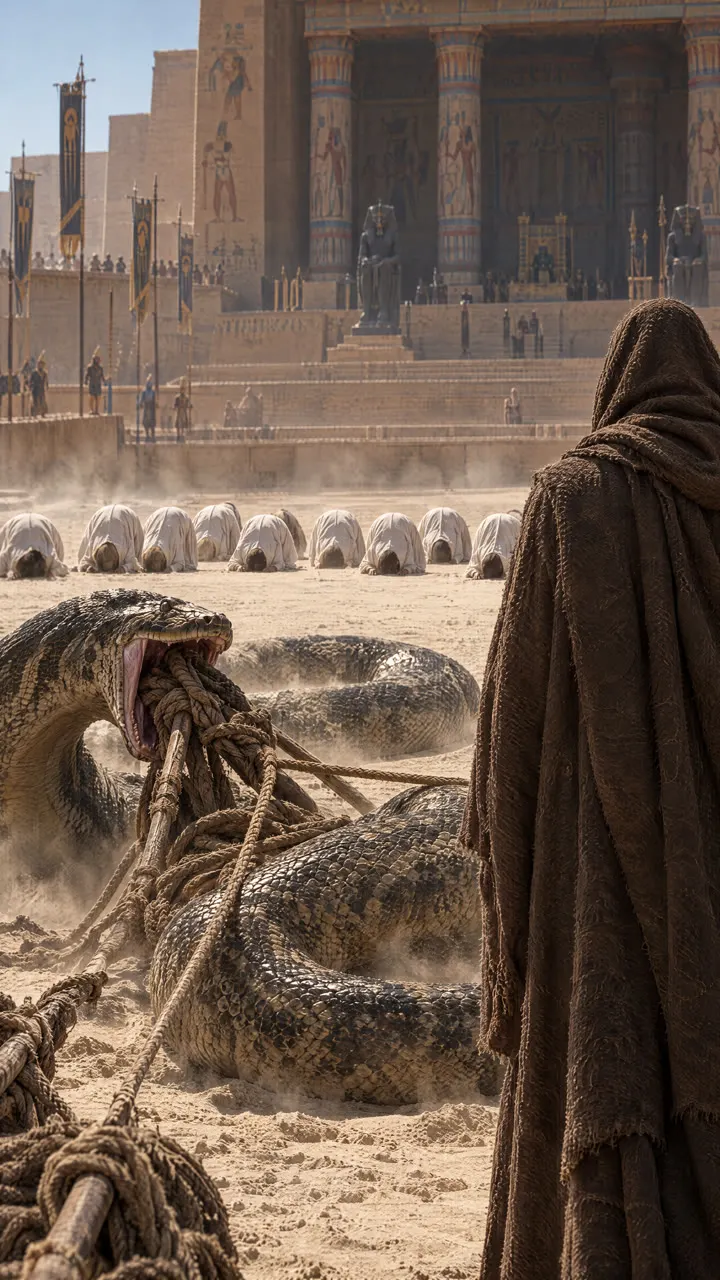
Pharaoh gathered the best magicians of his kingdom to defeat Musa in public, but Musa's staff swallowed what they had made, and the magicians fell down in prostration and believed. This is the scene shown in the QASAS story "Musa and the Magicians".
The chiefs advised Pharaoh to delay Musa and Harun and send gatherers to every city to bring “every learned, skilled magician”
(Quran 26:37). The Quran does not say how many came, and the numbers found in some books are not established. Musa chose the time himself: “the day of the festival when the people assemble at mid-morning”
(Quran 20:59), so that the whole population would see the result in broad daylight.
The magicians first asked Pharaoh about their pay, and he promised them reward and a place close to him (7:113-114). Then they faced Musa:
﴿قَالُوا۟ يَـٰمُوسَىٰٓ إِمَّآ أَن تُلْقِىَ وَإِمَّآ أَن نَّكُونَ أَوَّلَ مَنْ أَلْقَىٰ ٦٥ قَالَ بَلْ أَلْقُوا۟ ۖ فَإِذَا حِبَالُهُمْ وَعِصِيُّهُمْ يُخَيَّلُ إِلَيْهِ مِن سِحْرِهِمْ أَنَّهَا تَسْعَىٰ ٦٦ فَأَوْجَسَ فِى نَفْسِهِۦ خِيفَةً مُّوسَىٰ ٦٧ قُلْنَا لَا تَخَفْ إِنَّكَ أَنتَ ٱلْأَعْلَىٰ ٦٨ وَأَلْقِ مَا فِى يَمِينِكَ تَلْقَفْ مَا صَنَعُوٓا۟ ۖ إِنَّمَا صَنَعُوا۟ كَيْدُ سَـٰحِرٍ ۖ وَلَا يُفْلِحُ ٱلسَّاحِرُ حَيْثُ أَتَىٰ ٦٩ فَأُلْقِىَ ٱلسَّحَرَةُ سُجَّدًا قَالُوٓا۟ ءَامَنَّا بِرَبِّ هَـٰرُونَ وَمُوسَىٰ ٧٠﴾(65) They said, "O Moses, either you throw or we will be the first to throw." (66) He said, "Rather, you throw." And suddenly their ropes and staffs seemed to him from their magic that they were moving [like snakes]. (67) And he sensed within himself apprehension, did Moses. (68) We [i.e., Allāh] said, "Fear not. Indeed, it is you who are superior. (69) And throw what is in your right hand; it will swallow up what they have crafted. What they have crafted is but the trick of a magician, and the magician will not succeed wherever he is." (70) So the magicians fell down in prostration. They said, "We have believed in the Lord of Aaron and Moses."
The ropes and staffs only “seemed to him from their magic”
(Quran 20:66) to be moving. Surah al-A'raf says “they bewitched the eyes of the people and struck terror into them”
(Quran 7:116). It was an illusion, but a terrifying one, and Musa felt fear within himself. Allah reassured him: “Fear not. Indeed, it is you who are superior.”
(Quran 20:68)
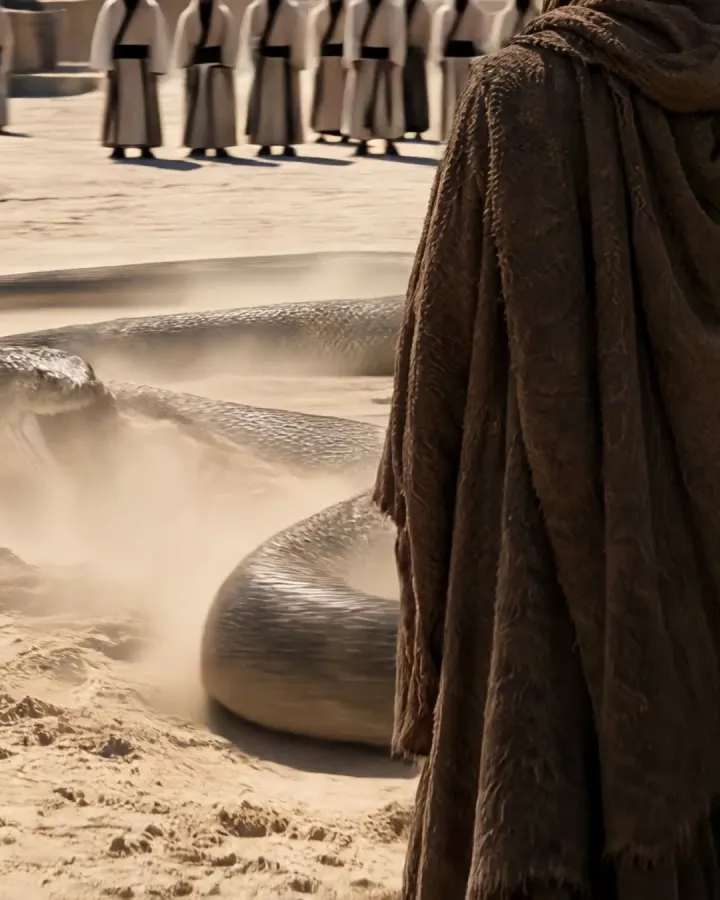
Musa threw his staff and it swallowed everything they had crafted. Al-Tafsir al-Muyassar describes this as the great moment in which Allah separated truth from falsehood. Surah al-A'raf sums it up: “So the truth was established, and abolished was what they were doing.”
(Quran 7:118)
The magicians understood better than anyone what had happened. They knew the limits of their craft, and they knew this was not magic. They fell down in prostration and declared their faith in the Lord of Harun and Musa. Al-Tafsir al-Muyassar puts their reasoning simply: if this had been magic, they would not have been defeated.
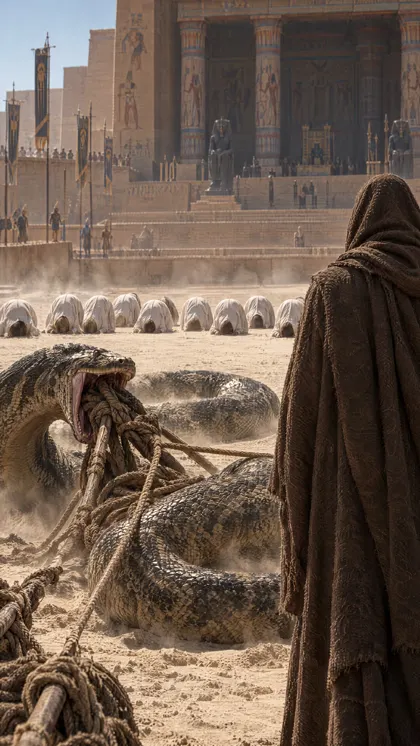 Watch this story in QASASMusa and the MagiciansThe staff became a serpent and swallowed their tricks.Open on Google Play →
Pharaoh was furious. He accused them of plotting with Musa, and threatened to cut off their hands and feet on opposite sides and crucify them (7:123-124). Their answer is one of the bravest speeches in the Quran:
﴿قَالُوا۟ لَن نُّؤْثِرَكَ عَلَىٰ مَا جَآءَنَا مِنَ ٱلْبَيِّنَـٰتِ وَٱلَّذِى فَطَرَنَا ۖ فَٱقْضِ مَآ أَنتَ قَاضٍ ۖ إِنَّمَا تَقْضِى هَـٰذِهِ ٱلْحَيَوٰةَ ٱلدُّنْيَآ ٧٢ إِنَّآ ءَامَنَّا بِرَبِّنَا لِيَغْفِرَ لَنَا خَطَـٰيَـٰنَا وَمَآ أَكْرَهْتَنَا عَلَيْهِ مِنَ ٱلسِّحْرِ ۗ وَٱللَّهُ خَيْرٌ وَأَبْقَىٰٓ ٧٣﴾(72) They said, "Never will we prefer you over what has come to us of clear proofs and [over] He who created us. So decree whatever you are to decree. You can only decree for this worldly life. (73) Indeed, we have believed in our Lord that He may forgive us our sins and what you compelled us [to do] of magic. And Allāh is better and more enduring."
Men who had come that morning for Pharaoh's reward now told him “You can only decree for this worldly life.”
(Quran 20:72) In Surah al-A'raf they pray “Our Lord, pour upon us patience and let us die as Muslims”
(Quran 7:126). Ibn Kathir reports from Ibn 'Abbas and others among the early scholars that the magicians began that day as sorcerers and ended it as martyrs. The Quran itself does not describe what Pharaoh did to them; it records their faith and their words, and that is what it wants us to remember.
The signs and plagues sent on Pharaoh's people
After the magicians, Allah sent a series of signs and hardships on Pharaoh's people so that they might return to Him, but every time they broke their promise. Musa first told his own frightened people: “Seek help through Allāh and be patient.”
(Quran 7:128) Then the signs began:
﴿وَلَقَدْ أَخَذْنَآ ءَالَ فِرْعَوْنَ بِٱلسِّنِينَ وَنَقْصٍ مِّنَ ٱلثَّمَرَٰتِ لَعَلَّهُمْ يَذَّكَّرُونَ ١٣٠ فَإِذَا جَآءَتْهُمُ ٱلْحَسَنَةُ قَالُوا۟ لَنَا هَـٰذِهِۦ ۖ وَإِن تُصِبْهُمْ سَيِّئَةٌ يَطَّيَّرُوا۟ بِمُوسَىٰ وَمَن مَّعَهُۥٓ ۗ أَلَآ إِنَّمَا طَـٰٓئِرُهُمْ عِندَ ٱللَّهِ وَلَـٰكِنَّ أَكْثَرَهُمْ لَا يَعْلَمُونَ ١٣١ وَقَالُوا۟ مَهْمَا تَأْتِنَا بِهِۦ مِنْ ءَايَةٍ لِّتَسْحَرَنَا بِهَا فَمَا نَحْنُ لَكَ بِمُؤْمِنِينَ ١٣٢ فَأَرْسَلْنَا عَلَيْهِمُ ٱلطُّوفَانَ وَٱلْجَرَادَ وَٱلْقُمَّلَ وَٱلضَّفَادِعَ وَٱلدَّمَ ءَايَـٰتٍ مُّفَصَّلَـٰتٍ فَٱسْتَكْبَرُوا۟ وَكَانُوا۟ قَوْمًا مُّجْرِمِينَ ١٣٣﴾(130) And We certainly seized the people of Pharaoh with years of famine and a deficiency in fruits that perhaps they would be reminded. (131) But when good [i.e., provision] came to them, they said, "This is ours [by right]." And if a bad [condition] struck them, they saw an evil omen in Moses and those with him. Unquestionably, their fortune is with Allāh, but most of them do not know. (132) And they said, "No matter what sign you bring us with which to bewitch us, we will not be believers in you." (133) So We sent upon them the flood and locusts and lice and frogs and blood as distinct signs, but they were arrogant and were a criminal people.
First came years of famine and a shortage of fruits. When things were good, Pharaoh's people said it was theirs by right, and when things were bad, “they saw an evil omen in Moses”
(Quran 7:131) and those with him. Then came the flood, locusts, lice, frogs and blood, each a distinct sign.
Ibn Kathir reports what the early scholars said about each one: the flood as heavy rain that ruined their crops (or, in another report from Ibn 'Abbas, widespread death); the locusts eating their fields; the qummal explained as weevils in the grain or small insects; frogs filling their homes and food; and their water turning to blood. Al-Tafsir al-Muyassar adds that they could find no clean water to drink.
Each time a punishment fell, they came to Musa and asked him to pray, promising to believe and to release the Children of Israel. Each time Allah lifted it, “then at once they broke their word”
(Quran 7:135).
Elsewhere the Quran says Musa was given “nine evident signs”
(Quran 17:101). The Quran does not list the nine in one place. Ibn Kathir reports from Ibn 'Abbas that they were the staff, the hand, the years of famine, the sea, the flood, the locusts, the lice, the frogs and the blood, and he also mentions other early lists that differ slightly. So the number nine is Quranic; the exact list is a matter of tafsir.
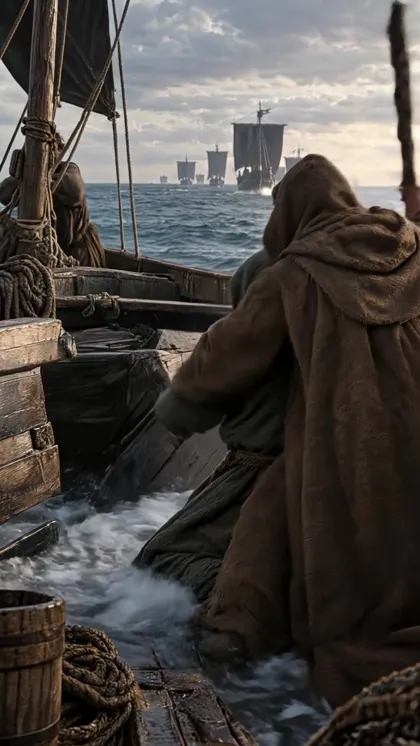
The exodus: leaving Egypt by night
Allah commanded Musa to leave Egypt by night with the believers, and Pharaoh chased them with his army. The Quran says:
“Travel by night with My servants; indeed, you will be pursued.”
(Quran 26:52) Pharaoh sent gatherers through his cities and mocked the believers as “those are but a small band”
(Quran 26:54). In Surah Taha Allah had already promised Musa that he would “strike for them a dry path through the sea”
(Quran 20:77), without fear of being caught.
Allah then took Pharaoh and his people away from the gardens, springs and treasures they had enjoyed (26:57-58). Ibn Kathir notes that a large force of chiefs and soldiers came out with Pharaoh, and they reached the believers at sunrise.
The parting of the sea
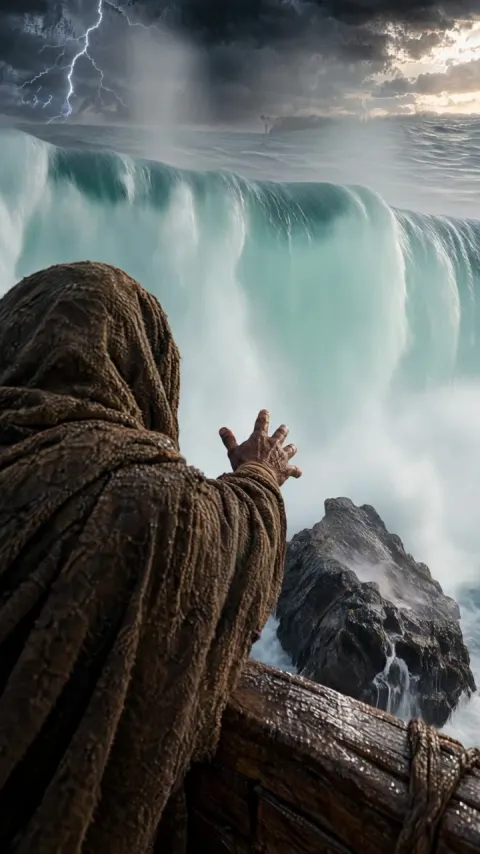
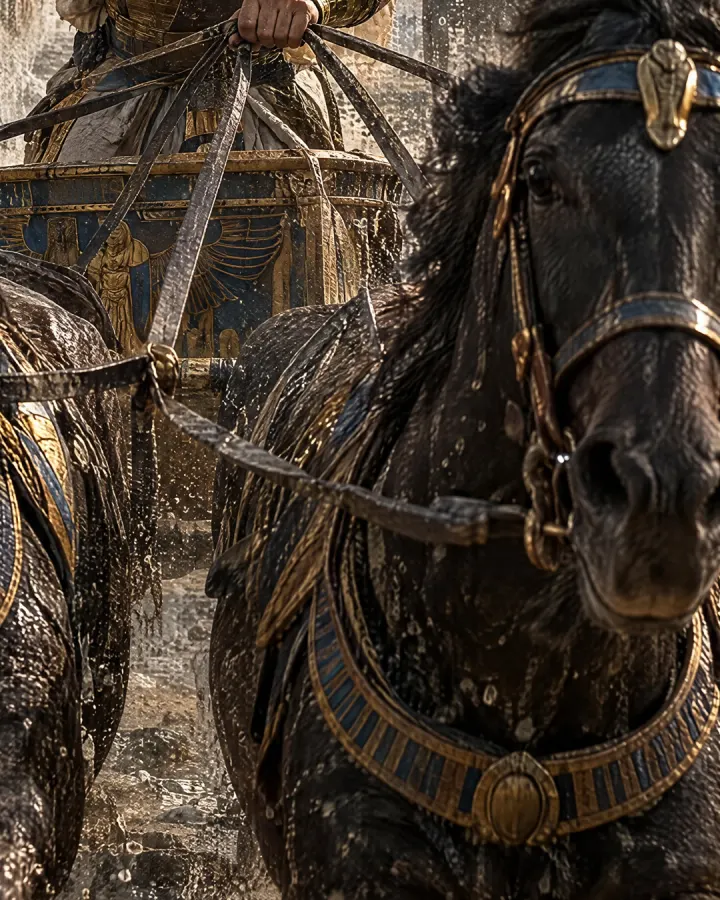
When the believers reached the sea with Pharaoh's army behind them, Musa struck the sea with his staff and it split into walls like great mountains, leaving a dry path. This is the moment of the story most people remember:
﴿فَلَمَّا تَرَٰٓءَا ٱلْجَمْعَانِ قَالَ أَصْحَـٰبُ مُوسَىٰٓ إِنَّا لَمُدْرَكُونَ ٦١ قَالَ كَلَّآ ۖ إِنَّ مَعِىَ رَبِّى سَيَهْدِينِ ٦٢ فَأَوْحَيْنَآ إِلَىٰ مُوسَىٰٓ أَنِ ٱضْرِب بِّعَصَاكَ ٱلْبَحْرَ ۖ فَٱنفَلَقَ فَكَانَ كُلُّ فِرْقٍ كَٱلطَّوْدِ ٱلْعَظِيمِ ٦٣ وَأَزْلَفْنَا ثَمَّ ٱلْـَٔاخَرِينَ ٦٤ وَأَنجَيْنَا مُوسَىٰ وَمَن مَّعَهُۥٓ أَجْمَعِينَ ٦٥ ثُمَّ أَغْرَقْنَا ٱلْـَٔاخَرِينَ ٦٦﴾(61) And when the two companies saw one another, the companions of Moses said, "Indeed, we are to be overtaken!" (62) [Moses] said, "No! Indeed, with me is my Lord; He will guide me." (63) Then We inspired to Moses, "Strike with your staff the sea," and it parted, and each portion was like a great towering mountain. (64) And We advanced thereto the others [i.e., the pursuers]. (65) And We saved Moses and those with him, all together. (66) Then We drowned the others.
The companions of Musa cried out “Indeed, we are to be overtaken!”
(Quran 26:61). By every human measure they were right: the sea in front, an army behind. Musa's answer is the heart of the whole story: “Indeed, with me is my Lord; He will guide me.”
(Quran 26:62) Al-Sa'di explains that Musa was speaking from certainty in his Lord's promise, and that the guidance he expected was the way of rescue for himself and for them.
Only then came the command to strike the sea. It parted, and “each portion was like a great towering mountain”
(Quran 26:63). Ibn Kathir reports from Ibn 'Abbas that the sea opened into twelve paths, one for each tribe, and al-Tafsir al-Muyassar and al-Sa'di mention the same. Allah saved Musa and everyone with him, all together, and then drowned the others.
Pharaoh's drowning and his belief that came too late
As the sea closed over him, Pharaoh declared his belief in the God of the Children of Israel, but it was too late to be accepted. Surah Yunus records his last words and the answer he received:
﴿۞ وَجَـٰوَزْنَا بِبَنِىٓ إِسْرَٰٓءِيلَ ٱلْبَحْرَ فَأَتْبَعَهُمْ فِرْعَوْنُ وَجُنُودُهُۥ بَغْيًا وَعَدْوًا ۖ حَتَّىٰٓ إِذَآ أَدْرَكَهُ ٱلْغَرَقُ قَالَ ءَامَنتُ أَنَّهُۥ لَآ إِلَـٰهَ إِلَّا ٱلَّذِىٓ ءَامَنَتْ بِهِۦ بَنُوٓا۟ إِسْرَٰٓءِيلَ وَأَنَا۠ مِنَ ٱلْمُسْلِمِينَ ٩٠ ءَآلْـَٔـٰنَ وَقَدْ عَصَيْتَ قَبْلُ وَكُنتَ مِنَ ٱلْمُفْسِدِينَ ٩١ فَٱلْيَوْمَ نُنَجِّيكَ بِبَدَنِكَ لِتَكُونَ لِمَنْ خَلْفَكَ ءَايَةً ۚ وَإِنَّ كَثِيرًا مِّنَ ٱلنَّاسِ عَنْ ءَايَـٰتِنَا لَغَـٰفِلُونَ ٩٢﴾(90) And We took the Children of Israel across the sea, and Pharaoh and his soldiers pursued them in tyranny and enmity until, when drowning overtook him, he said, "I believe that there is no deity except that in whom the Children of Israel believe, and I am of the Muslims." (91) Now? And you had disobeyed [Him] before and were of the corrupters? (92) So today We will save you in body that you may be to those who succeed you a sign. And indeed, many among the people, of Our signs, are heedless.
At the very moment of drowning he said “I believe that there is no deity except that in whom the Children of Israel believe”
(Quran 10:90). The reply was “Now? And you had disobeyed [Him] before and were of the corrupters?”
(Quran 10:91)
Ibn Kathir explains that Pharaoh believed at a time when belief could no longer benefit him, and he links it to another ayah that states the rule: “But never did their faith benefit them once they saw Our punishment.”
(Quran 40:85) Al-Tafsir al-Muyassar says the same: repentance does not help at the moment of death, once death and punishment are seen. Years of signs had come to him while there was still time, and he refused every one.
Pharaoh's body preserved as a sign
Allah brought Pharaoh's lifeless body out of the sea so that it would be a sign for those after him. The ayah says “So today We will save you in body that you may be to those who succeed you a sign.”
(Quran 10:92)
Ibn Kathir reports from Ibn 'Abbas and others among the early scholars that some of the Children of Israel doubted that Pharaoh had really died, so Allah commanded the sea to cast his body onto higher ground, without a soul, so they could see it. Al-Tabari explains this saving as placing him on raised ground, and says the mention of his body makes clear that he was saved as a lifeless body, not alive. Al-Sa'di adds that the people had feared him so deeply that they could hardly believe he was gone.
You will find claims online that a particular mummy in a museum is this Pharaoh's body. The Quran does not say that, and the classical tafsir do not say it either, so we do not repeat it as fact. What the Quran does say is that the sign is real and that “many among the people, of Our signs, are heedless”
(Quran 10:92).
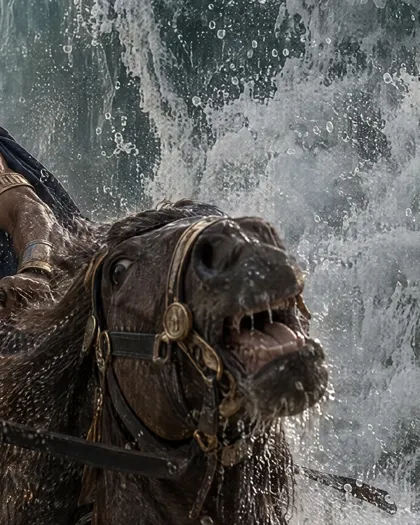 Watch this story in QASASPharaoh's Last WordsAt the moment of drowning he said: I believe.Open on Google Play →
Timeline of the Musa and Pharaoh story
| Stage | What happens | Ayat |
|---|---|---|
| Oppression in Egypt | Pharaoh divides the people and kills the newborn sons of the Children of Israel | 28:4-6 |
| Birth and the river | Musa's mother is inspired to place him in the river; Pharaoh's family picks him up | 28:7-9, 20:38-39 |
| Back to his mother | He refuses every nurse; his sister guides them to his mother | 28:10-13 |
| The fight in the city | A man dies by Musa's hand; Musa repents and is forgiven | 28:14-17 |
| Flight to Madyan | He waters the flock of two women, marries and works for years | 28:20-28 |
| The call at Tuwa | The fire, the voice, the staff and the white hand | 20:9-23, 28:29-32 |
| Harun joins him | Musa's du'a is answered; both are sent with gentle speech | 20:25-46, 28:33-35 |
| Before Pharaoh | The message, the debate and the two signs | 7:104-108, 26:16-33 |
| The magicians | Festival day, the staff swallows their tricks, they believe | 7:109-126, 20:56-73 |
| The signs | Famine, flood, locusts, lice, frogs and blood; broken promises | 7:130-135 |
| The exodus | Leaving by night, pursued at sunrise | 26:52-61 |
| The sea parts | Musa's certainty in his Lord; the dry path through the sea | 26:62-66, 20:77 |
| Pharaoh's end | Late belief rejected; his body made a sign | 10:90-92 |
Lessons from the story of Musa and Pharaoh
The lessons of this story are about trust, courage and the end of every tyrant. Here are ten that the ayat themselves point to.
- Allah's promise is true. The mother of Musa was promised her son's return, and the Quran says she got him back so she would know Allah's promise is true (28:13).
- No plan can stop Allah's decree. Pharaoh killed boys to prevent his downfall, and then raised the boy who would bring it about in his own palace.
- Turn to Allah immediately after a mistake. Musa's first words after the man died were a request for forgiveness, and he was forgiven (28:16).
- Ask Allah for what you need, however small. The du'a under the tree in Madyan teaches that a believer admits his need to Allah before anyone else (28:24).
- Strength and honesty belong together. The daughter of Madyan praised Musa for being strong and trustworthy, two qualities every worker and leader needs (28:26).
- Speak to people gently, even to a tyrant. If Musa was told to speak gently to Pharaoh, then gentleness is the default in every call to good (20:44).
- Good helpers are a blessing. Musa asked for his brother's help, and Allah granted it, so asking for support is not a weakness.
- Truth defeats illusion. The magicians' ropes only seemed to move; the staff was real, and falsehood disappeared before it (7:118).
- Faith can change a person in a moment. The magicians came for a reward and left with a faith no threat could shake (20:72-73).
- Repentance has a time limit. Pharaoh's declaration of belief came when death had already arrived, and it was not accepted (10:91, 40:85).
How to tell the story of Musa to children
The story of Prophet Musa for kids works best when it is told as a story of a mother's trust, a brave messenger and a sea that opened by Allah's command. Children love the river, the staff that becomes a serpent, and the path through the sea, and each scene carries a simple lesson.
For young children, keep the frightening parts brief: say that a cruel king was hurting the families of the Children of Israel, without dwelling on details. For the man who died in the city, it is enough to say that Musa made a mistake, was very sorry, asked Allah to forgive him, and Allah forgave him. That is a lesson children can live by.
Focus on three moments: the mother placing her baby in the river because she trusted Allah; Musa saying “Indeed, with me is my Lord”
(Quran 26:62) when the sea was in front and the army behind; and the magicians who changed their hearts when they saw the truth. Ask children what they would feel in each moment, and what helped Musa not to be afraid.
Older children can read the ayat with you and talk about Pharaoh's last words: why do they think belief at the last second did not count? It is a natural way to talk about doing good while there is time. Islamic stories for kids are most powerful when the child hears the actual words of the Quran, not only a retelling.
Read and watch it in QASAS
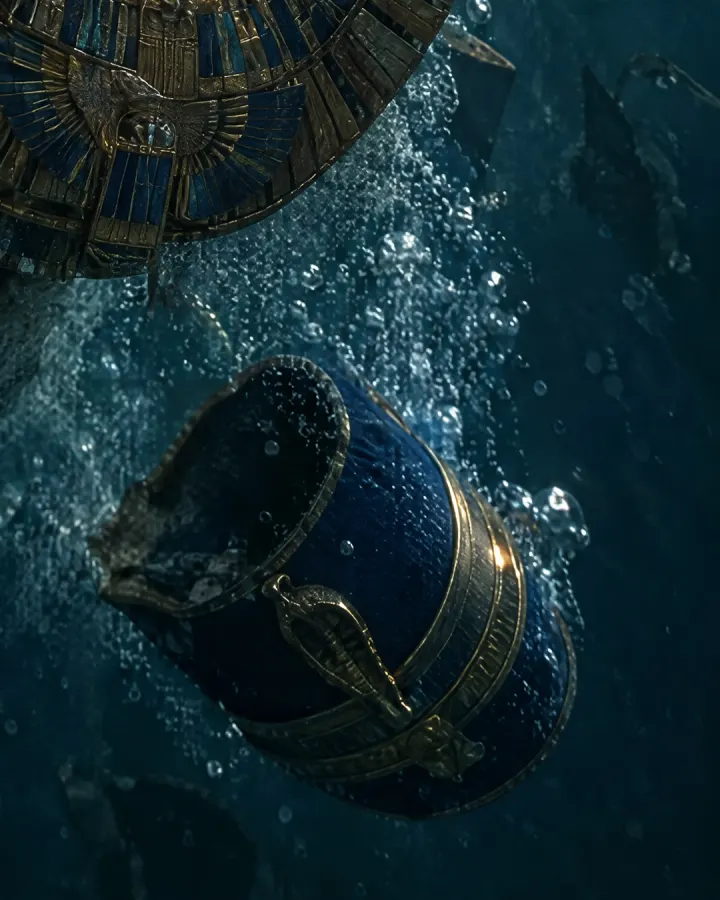
QASAS is a free prophet stories app that tells these scenes as short cinematic stories you can watch, or read page by page, with a quiz at the end for children. "Musa and the Magicians" shows the staff swallowing the ropes before Pharaoh's palace, and "Pharaoh's Last Words" follows the chase into the sea and the crown sinking beneath the waves. There is also a third Musa story, "Musa and al-Khidr", the journey told in Surah al-Kahf, which is a separate story from the one with Pharaoh (see our article on the People of the Cave, the other great story of al-Kahf).
The same Quran stories app includes a full mushaf with tafsir (al-Muyassar and Ibn Kathir), recitation and translation, so you can open Surah Taha or al-Qasas and read every ayah quoted here. It also has prayer times, the qibla direction and a 3D tasbih. It is free, with no ads and no account, on Android through Google Play, with the iPhone version coming soon.
If you enjoyed this story, read the story of Prophet Yusuf, another prophet who was taken from his family and raised in the house of Egypt's powerful, and the story of Prophet Nuh and the Ark, where Allah also saved the believers by water and drowned those who refused.
Frequently asked questions
Who was the Pharaoh in the story of Musa?
The Quran does not give his personal name; it calls him only Fir'awn (Pharaoh), the king of Egypt. It describes him as a tyrant who claimed to be a god and enslaved the Children of Israel. Historians have proposed different names, but none is established, and the Quran's lesson does not depend on it.
Was Pharaoh's faith accepted when he was drowning?
No. His declaration of faith came when death had already reached him, and Allah rebuked him for believing only then (10:91). Ibn Kathir and al-Tafsir al-Muyassar explain that belief and repentance do not benefit a person once death and the punishment are seen, as Surah Ghafir also states (40:85).
What does it mean that Allah saved Pharaoh's body?
It means Allah brought Pharaoh's lifeless body out of the sea so that people would see he had truly died. Ibn Kathir reports from Ibn 'Abbas that some of the Children of Israel doubted his death, so his body was cast onto higher ground. Al-Tabari says the mention of the body means he was saved as a body without life, as a sign for those after him.
What were the nine signs of Musa?
The Quran says Musa was given nine clear signs (17:101) but does not list them together. Ibn Kathir reports from Ibn 'Abbas that they were the staff, the hand, the years of famine, the sea, the flood, the locusts, the lice, the frogs and the blood. Other early scholars gave slightly different lists.
What happened to Pharaoh's magicians?
They believed in Allah as soon as Musa's staff swallowed their tricks, and they stood firm when Pharaoh threatened to cut off their hands and feet and crucify them. The Quran records their brave answer but does not describe what happened next. Ibn Kathir reports from Ibn 'Abbas and others that they began the day as sorcerers and ended it as martyrs.
Why did Musa ask for Harun to go with him?
Musa asked for Harun because Harun was more fluent in speech and could support him and confirm his message (28:34). Musa feared being rejected and having difficulty speaking before Pharaoh. Allah granted the request and made Harun a messenger with him (20:36).
Who raised Prophet Musa?
Musa was raised in Pharaoh's own household, but nursed by his own mother. Pharaoh's family picked him up from the river, and when he refused every wet nurse, his sister led them to his mother, so Allah returned him to her (28:8-13).
Where is the story of Musa and Pharaoh in the Quran?
It is told across many surahs, most fully in Surah al-Qasas (28), Surah Taha (20), Surah al-A'raf (7), Surah ash-Shu'ara (26) and Surah Yunus (10). Each surah focuses on different scenes, from Musa's birth in al-Qasas to Pharaoh's last words in Yunus.
Sources
Quran: Surah al-Qasas 28:3-38, Surah Taha 20:9-79, Surah al-A'raf 7:103-137, Surah ash-Shu'ara 26:10-68, Surah Yunus 10:75-92, with 17:101 and 40:84-85. Arabic text from the QASAS mushaf; English translation Saheeh International. Tafsir: Ibn Kathir (Tafsir al-Quran al-'Azim), al-Tabari (Jami' al-Bayan), al-Sa'di (Taysir al-Karim al-Rahman) and al-Tafsir al-Muyassar (King Fahd Complex).
Updated: · By QASAS