The story of Prophet Sulayman (peace be upon him) is the story of the greatest kingdom the Quran describes, held by a man who never once called it his own. Allah gave him what He gave no one else: the speech of birds, the wind blowing at his command, and jinn who built and dived for him. Yet every time the Quran shows him facing one of these gifts, he says some form of the same sentence: this is from the favour of my Lord.
His story is spread over four surahs. The longest part is in Surah an-Naml (The Ant), 27:15-44, which tells of the ant, the hoopoe and the Queen of Saba'. Surah al-Anbiya' 21:78-82 tells of a judgement he gave as a young man beside his father Dawud. Surah Saba' 34:12-14 describes the wind, the jinn and his death, and Surah Sad 38:30-40 describes a test he went through and the du'a he made after it.
This article follows those ayat and explains them with the classical tafsir: Ibn Kathir, al-Tabari, al-Sa'di and al-Tafsir al-Muyassar. It answers the questions people ask most: what the ant said, why Sulayman threatened the hoopoe, who the Queen of Saba' was, who brought her throne, and how he died. Where the Quran is silent, we say so, because much of what is told about Sulayman comes from Israiliyyat that the tafsir itself warns against.
Who was Prophet Sulayman?
Prophet Sulayman was the son of Prophet Dawud (David), a prophet and a king to whom Allah gave knowledge, wisdom and a kingdom unlike any other. The Quran introduces the two of them together:
﴿وَلَقَدْ ءَاتَيْنَا دَاوُۥدَ وَسُلَيْمَـٰنَ عِلْمًا ۖ وَقَالَا ٱلْحَمْدُ لِلَّهِ ٱلَّذِى فَضَّلَنَا عَلَىٰ كَثِيرٍ مِّنْ عِبَادِهِ ٱلْمُؤْمِنِينَ ١٥ وَوَرِثَ سُلَيْمَـٰنُ دَاوُۥدَ ۖ وَقَالَ يَـٰٓأَيُّهَا ٱلنَّاسُ عُلِّمْنَا مَنطِقَ ٱلطَّيْرِ وَأُوتِينَا مِن كُلِّ شَىْءٍ ۖ إِنَّ هَـٰذَا لَهُوَ ٱلْفَضْلُ ٱلْمُبِينُ ١٦﴾(15) And We had certainly given to David and Solomon knowledge, and they said, "Praise [is due] to Allāh, who has favored us over many of His believing servants." (16) And Solomon inherited David. He said, "O people, we have been taught the language of birds, and we have been given from all things. Indeed, this is evident bounty."
Al-Tafsir al-Muyassar explains that Sulayman inherited his father "in prophethood, knowledge and kingship." Ibn Kathir adds that this was not an inheritance of wealth, since otherwise Sulayman would not have been named alone among Dawud's sons; what passed to him was kingship and prophethood. Al-Sa'di says his father's knowledge was joined to his own.
Notice what father and son said when they were given knowledge: “Praise [is due] to Allāh, who has favored us over many of His believing servants.”
(Quran 27:15) Al-Sa'di calls this "the sign of a servant's happiness": to be grateful to Allah for His blessings, to see them all as coming from Him, and not to boast or be proud of them. Al-Muyassar adds that the ayah shows the honour of knowledge and of the people who carry it.
In Surah Sad, Allah praises Sulayman in two words: “An excellent servant, indeed he was one repeatedly turning back [to Allāh].”
(Quran 38:30) Al-Sa'di explains awwab as someone who returns to Allah in all his states, through worship, love, remembrance and du'a, putting the pleasure of Allah before everything. That one word is the key to his whole story.
The judgement of the field: understanding given to Sulayman
The first story the Quran tells of Sulayman is a court case he and his father judged, in which Allah gave Sulayman the better understanding.
﴿وَدَاوُۥدَ وَسُلَيْمَـٰنَ إِذْ يَحْكُمَانِ فِى ٱلْحَرْثِ إِذْ نَفَشَتْ فِيهِ غَنَمُ ٱلْقَوْمِ وَكُنَّا لِحُكْمِهِمْ شَـٰهِدِينَ ٧٨ فَفَهَّمْنَـٰهَا سُلَيْمَـٰنَ ۚ وَكُلًّا ءَاتَيْنَا حُكْمًا وَعِلْمًا ۚ وَسَخَّرْنَا مَعَ دَاوُۥدَ ٱلْجِبَالَ يُسَبِّحْنَ وَٱلطَّيْرَ ۚ وَكُنَّا فَـٰعِلِينَ ٧٩﴾(78) And [mention] David and Solomon, when they judged concerning the field - when the sheep of a people overran it [at night], and We were witness to their judgement. (79) And We gave understanding of it [i.e., the case] to Solomon, and to each [of them] We gave judgement and knowledge. And We subjected the mountains to exalt [Us], along with David and [also] the birds. And We were doing [that].
Al-Sa'di and al-Muyassar explain the case. Sheep belonging to one people got into another man's field at night and ate his crops. Dawud ruled that the sheep should go to the owner of the field as compensation, because their owners had been careless. Sulayman ruled differently: the owner of the field would keep the sheep for a time and benefit from their milk and wool, while the owners of the sheep restored his field. When the field was back as it had been, each would take back his own property.
Al-Sa'di calls Sulayman's ruling "in agreement with what is right" and a sign of "the completeness of his understanding and insight." Yet the Quran does not blame Dawud. It says “to each [of them] We gave judgement and knowledge.”
(Quran 21:79) Both were prophets and both judged with knowledge; Allah simply gave the son the finer understanding in this case.
The gifts: birds, wind, jinn and copper
Allah gave Sulayman a kingdom made of things no army can buy: the speech of birds, the wind, the jinn and a spring of molten copper. Sulayman described it himself in the second ayah above: “O people, we have been taught the language of birds, and we have been given from all things. Indeed, this is evident bounty.”
(Quran 27:16)
Ibn Kathir explains that Sulayman understood the language of birds and animals, "and this is something no human was given, as far as we know." He rejects the popular claim that animals spoke like people before Sulayman, saying that if that were so, there would be nothing special about Sulayman understanding them.
The wind was the next gift:
﴿وَلِسُلَيْمَـٰنَ ٱلرِّيحَ غُدُوُّهَا شَهْرٌ وَرَوَاحُهَا شَهْرٌ ۖ وَأَسَلْنَا لَهُۥ عَيْنَ ٱلْقِطْرِ ۖ وَمِنَ ٱلْجِنِّ مَن يَعْمَلُ بَيْنَ يَدَيْهِ بِإِذْنِ رَبِّهِۦ ۖ وَمَن يَزِغْ مِنْهُمْ عَنْ أَمْرِنَا نُذِقْهُ مِنْ عَذَابِ ٱلسَّعِيرِ ١٢ يَعْمَلُونَ لَهُۥ مَا يَشَآءُ مِن مَّحَـٰرِيبَ وَتَمَـٰثِيلَ وَجِفَانٍ كَٱلْجَوَابِ وَقُدُورٍ رَّاسِيَـٰتٍ ۚ ٱعْمَلُوٓا۟ ءَالَ دَاوُۥدَ شُكْرًا ۚ وَقَلِيلٌ مِّنْ عِبَادِىَ ٱلشَّكُورُ ١٣﴾(12) And to Solomon [We subjected] the wind - its morning [journey was that of] a month - and its afternoon [journey was that of] a month, and We made flow for him a spring of [liquid] copper. And among the jinn were those who worked for him by the permission of his Lord. And whoever deviated among them from Our command - We will make him taste of the punishment of the Blaze. (13) They made for him what he willed of elevated chambers, statues, bowls like reservoirs, and stationary kettles. [We said], "Work, O family of David, in gratitude." And few of My servants are grateful.
Al-Muyassar explains that the wind travelled in the morning the distance of a month's journey and in the afternoon another month's journey. Al-Sa'di adds that it carried him and everything with him, so that a journey of two months was covered in a single day. In Surah al-Anbiya' the wind is described as 'asifah, strong and swift, and in Surah Sad as rukha', gentle; both describe the same gift, a wind that was powerful yet obeyed him wherever he directed it.
The “spring of [liquid] copper”
(Quran 34:12) was, in al-Muyassar's words, copper made to flow "as water flows," so he could make with it whatever he wished. And the jinn worked for him by the permission of his Lord: building places of worship, making great basins like reservoirs and cooking pots too large to move. Surah Sad adds that among them were “every builder and diver”
(Quran 38:37), and al-Muyassar explains that the divers brought up pearls and jewels from the sea.
Then comes the command that turns the whole list into a lesson: “Work, O family of David, in gratitude”
(Quran 34:13), followed by the words “And few of My servants are grateful.”
(Quran 34:13) Al-Muyassar explains that gratitude here means obeying Allah and following His command, and that Dawud and his family were among the few.
Sulayman and the ant
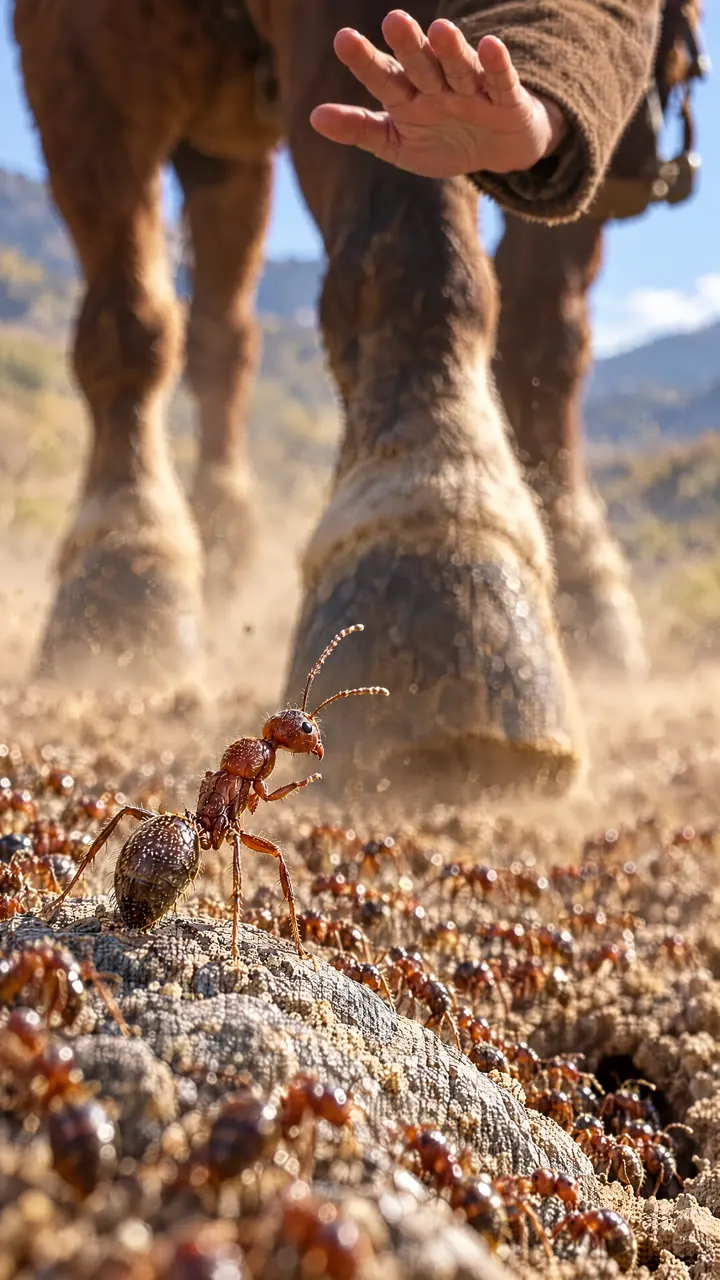
The most famous scene of Sulayman's story is a moment with an ant. His army of jinn, men and birds was marching, and when they reached a valley of ants, one ant warned the others to get out of the way.
﴿وَحُشِرَ لِسُلَيْمَـٰنَ جُنُودُهُۥ مِنَ ٱلْجِنِّ وَٱلْإِنسِ وَٱلطَّيْرِ فَهُمْ يُوزَعُونَ ١٧ حَتَّىٰٓ إِذَآ أَتَوْا۟ عَلَىٰ وَادِ ٱلنَّمْلِ قَالَتْ نَمْلَةٌ يَـٰٓأَيُّهَا ٱلنَّمْلُ ٱدْخُلُوا۟ مَسَـٰكِنَكُمْ لَا يَحْطِمَنَّكُمْ سُلَيْمَـٰنُ وَجُنُودُهُۥ وَهُمْ لَا يَشْعُرُونَ ١٨﴾(17) And gathered for Solomon were his soldiers of the jinn and men and birds, and they were [marching] in rows (18) Until, when they came upon the valley of the ants, an ant said, "O ants, enter your dwellings that you not be crushed by Solomon and his soldiers while they perceive not."
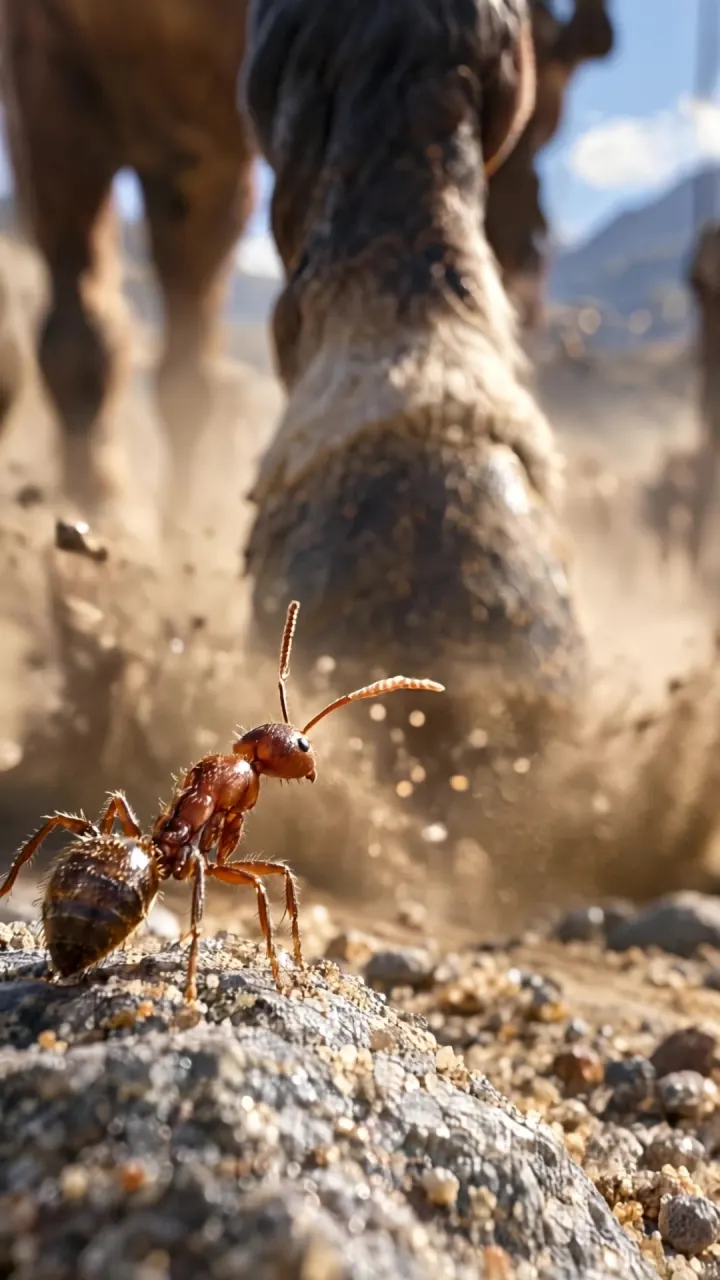
Al-Muyassar explains that the army, in spite of its size, was not disorderly: each group had someone holding the front back for the rear so they marched in ranks. Into that scene the Quran places one small voice. Al-Sa'di admires what the ant did: she gave sincere advice to her people, told them the way to safety, and even made an excuse for the army, that if they crushed the ants it would not be on purpose, “while they perceive not.”
(Quran 27:18)
Al-Sa'di also discusses how the warning reached the whole valley. Either Allah gave the ants an extraordinary hearing so that one voice reached them all, or the ant told those around her and the news passed from one to another. Either way, Sulayman heard her and understood.
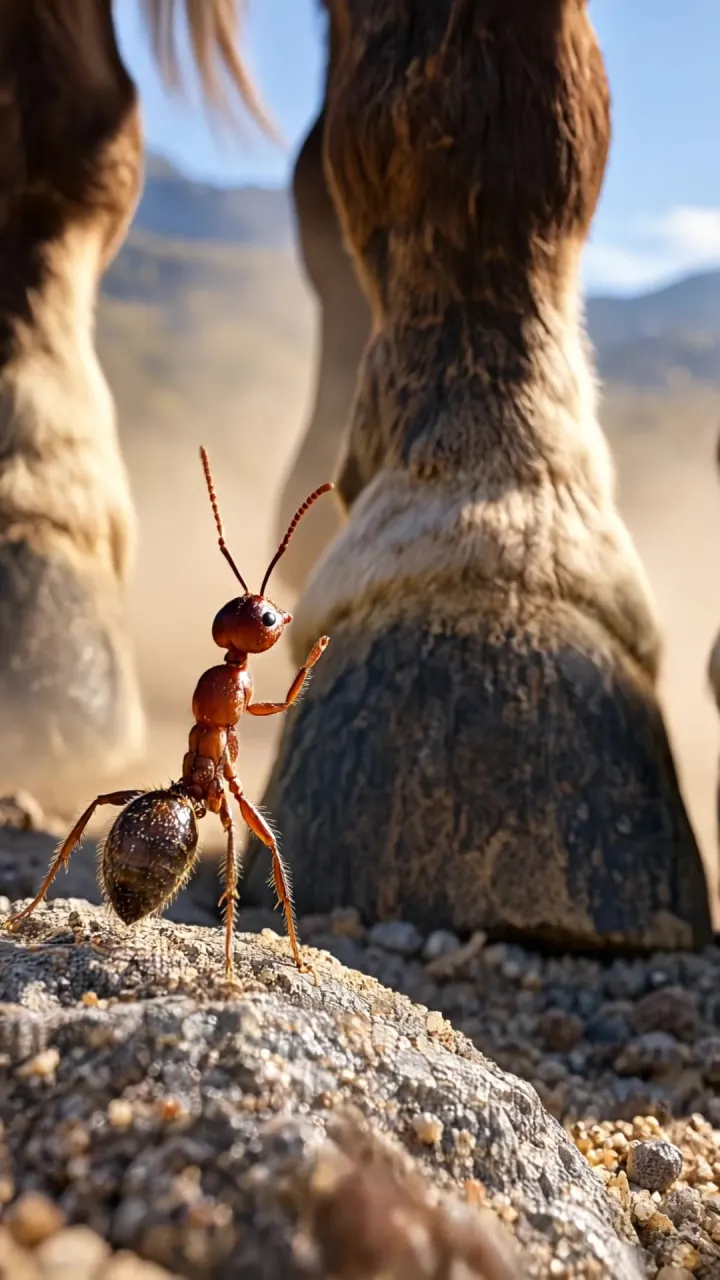
Why did Sulayman smile at the ant?
Sulayman smiled because he was moved by the ant's words, and his smile became a du'a of gratitude.
﴿فَتَبَسَّمَ ضَاحِكًا مِّن قَوْلِهَا وَقَالَ رَبِّ أَوْزِعْنِىٓ أَنْ أَشْكُرَ نِعْمَتَكَ ٱلَّتِىٓ أَنْعَمْتَ عَلَىَّ وَعَلَىٰ وَٰلِدَىَّ وَأَنْ أَعْمَلَ صَـٰلِحًا تَرْضَىٰهُ وَأَدْخِلْنِى بِرَحْمَتِكَ فِى عِبَادِكَ ٱلصَّـٰلِحِينَ ١٩﴾(19) So [Solomon] smiled, amused at her speech, and said, "My Lord, enable me to be grateful for Your favor which You have bestowed upon me and upon my parents and to do righteousness of which You approve. And admit me by Your mercy into [the ranks of] Your righteous servants."
Al-Sa'di explains that he smiled "in admiration of her eloquence, her sincere advice and the beauty of her expression." He points out that the ayah says he smiled, and notes that this is the manner of the prophets: their wonder at something good shows in a smile, not in loud laughter, and never being moved at all is a sign of a hard and tyrannical character.
Then Sulayman turned to Allah. Al-Muyassar describes it: he felt the blessing of Allah upon him and asked Allah to inspire him to be grateful for it. Al-Sa'di explains awzi'ni as "inspire me and grant me success," and notes that Sulayman thanked Allah for the favour on his parents too, because "a blessing on the parents is a blessing on the child." He asked to do good deeds Allah would be pleased with, and to be admitted by Allah's mercy among His righteous servants. Ibn Kathir explains the last request as asking to be joined with the righteous when he died.
A king with the wind under his command stopped his army for an ant and asked Allah to help him be grateful. That is the whole of Sulayman in a single scene.
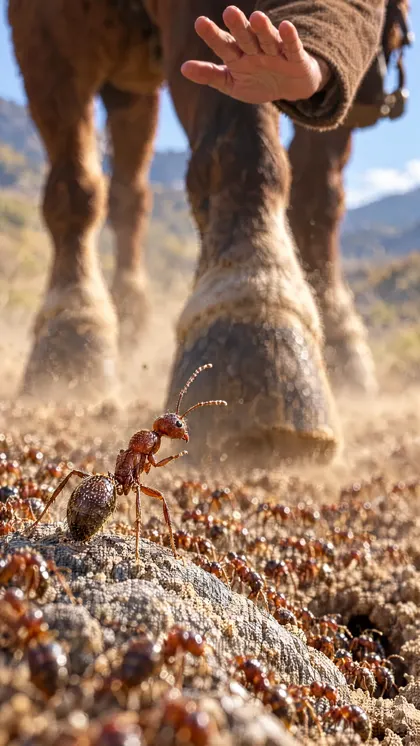 Watch this story in QASASSulayman and the AntOne ant warned the others, and the prophet smiled.Open on Google Play →
Sulayman and the hoopoe
The second scene begins when Sulayman inspects the birds and notices that the hoopoe is missing.
﴿وَتَفَقَّدَ ٱلطَّيْرَ فَقَالَ مَا لِىَ لَآ أَرَى ٱلْهُدْهُدَ أَمْ كَانَ مِنَ ٱلْغَآئِبِينَ ٢٠ لَأُعَذِّبَنَّهُۥ عَذَابًا شَدِيدًا أَوْ لَأَا۟ذْبَحَنَّهُۥٓ أَوْ لَيَأْتِيَنِّى بِسُلْطَـٰنٍ مُّبِينٍ ٢١ فَمَكَثَ غَيْرَ بَعِيدٍ فَقَالَ أَحَطتُ بِمَا لَمْ تُحِطْ بِهِۦ وَجِئْتُكَ مِن سَبَإٍۭ بِنَبَإٍ يَقِينٍ ٢٢﴾(20) And he took attendance of the birds and said, "Why do I not see the hoopoe - or is he among the absent? (21) I will surely punish him with a severe punishment or slaughter him unless he brings me clear authorization." (22) But he [i.e., the hoopoe] stayed not long and said, "I have encompassed [in knowledge] that which you have not encompassed, and I have come to you from Sheba with certain news.
Al-Sa'di says the inspection shows "the completeness of his resolve and firmness" and his care for small matters as well as great ones. Some reports, which Ibn Kathir records, say the hoopoe was needed to find water underground. Al-Sa'di rejects this firmly: the ayah only says he checked the birds to see who was present and who was absent, nothing in it points to water, and he says such explanations were taken from the Children of Israel without being weighed against the words of the Quran. We follow the ayah: Sulayman took attendance and noticed one small bird was gone.
His threat was serious because a soldier who leaves his post without permission puts the whole army at risk. Al-Muyassar explains that the punishment would have been "a discipline" for leaving the duty he had been given, and that Sulayman left the door open: unless the hoopoe brought “clear authorization”
(Quran 27:21), a clear excuse.
The hoopoe came back soon, and al-Sa'di says this shows how much the soldiers respected Sulayman: even a bird with a good excuse did not dare stay away long. Its first words were bold: “I have encompassed [in knowledge] that which you have not encompassed”
(Quran 27:22). A small bird told a prophet-king that it knew something he did not, and Sulayman listened.
The news from Saba'
The hoopoe reported a kingdom in Saba', in Yemen, ruled by a woman, whose people prostrated to the sun instead of Allah.
﴿إِنِّى وَجَدتُّ ٱمْرَأَةً تَمْلِكُهُمْ وَأُوتِيَتْ مِن كُلِّ شَىْءٍ وَلَهَا عَرْشٌ عَظِيمٌ ٢٣ وَجَدتُّهَا وَقَوْمَهَا يَسْجُدُونَ لِلشَّمْسِ مِن دُونِ ٱللَّهِ وَزَيَّنَ لَهُمُ ٱلشَّيْطَـٰنُ أَعْمَـٰلَهُمْ فَصَدَّهُمْ عَنِ ٱلسَّبِيلِ فَهُمْ لَا يَهْتَدُونَ ٢٤ أَلَّا يَسْجُدُوا۟ لِلَّهِ ٱلَّذِى يُخْرِجُ ٱلْخَبْءَ فِى ٱلسَّمَـٰوَٰتِ وَٱلْأَرْضِ وَيَعْلَمُ مَا تُخْفُونَ وَمَا تُعْلِنُونَ ٢٥ ٱللَّهُ لَآ إِلَـٰهَ إِلَّا هُوَ رَبُّ ٱلْعَرْشِ ٱلْعَظِيمِ ۩ ٢٦﴾(23) Indeed, I found [there] a woman ruling them, and she has been given of all things, and she has a great throne. (24) I found her and her people prostrating to the sun instead of Allāh, and Satan has made their deeds pleasing to them and averted them from [His] way, so they are not guided, (25) [And] so they do not prostrate to Allāh, who brings forth what is hidden within the heavens and the earth and knows what you conceal and what you declare - (26) Allāh - there is no deity except Him, Lord of the Great Throne."
Al-Muyassar explains that the queen had been given every worldly means of power, and a great throne on which she sat to run her kingdom. What troubled the hoopoe was not her wealth but her worship: Satan had made their deeds look good to them, so that they did not prostrate to Allah, “who brings forth what is hidden within the heavens and the earth”
(Quran 27:25). The ayah of prostration at 27:26 ends the hoopoe's report with the words “Allāh - there is no deity except Him, Lord of the Great Throne.”
(Quran 27:26)
The Quran does not name the queen. Ibn Kathir and other commentators call her Bilqis, and that is the name most people know, but nothing in the story depends on it.
The letter of Sulayman
Sulayman did not act on the report straight away. He said “We will see whether you were truthful or were of the liars.”
(Quran 27:27) and sent the hoopoe back with a letter.
﴿ٱذْهَب بِّكِتَـٰبِى هَـٰذَا فَأَلْقِهْ إِلَيْهِمْ ثُمَّ تَوَلَّ عَنْهُمْ فَٱنظُرْ مَاذَا يَرْجِعُونَ ٢٨ قَالَتْ يَـٰٓأَيُّهَا ٱلْمَلَؤُا۟ إِنِّىٓ أُلْقِىَ إِلَىَّ كِتَـٰبٌ كَرِيمٌ ٢٩ إِنَّهُۥ مِن سُلَيْمَـٰنَ وَإِنَّهُۥ بِسْمِ ٱللَّهِ ٱلرَّحْمَـٰنِ ٱلرَّحِيمِ ٣٠ أَلَّا تَعْلُوا۟ عَلَىَّ وَأْتُونِى مُسْلِمِينَ ٣١﴾(28) Take this letter of mine and deliver it to them. Then leave them and see what [answer] they will return." (29) She said, "O eminent ones, indeed, to me has been delivered a noble letter. (30) Indeed, it is from Solomon, and indeed, it is [i.e., reads]: 'In the name of Allāh, the Entirely Merciful, the Especially Merciful, (31) Be not haughty with me but come to me in submission [as Muslims].'"
Al-Muyassar explains that the hoopoe delivered the letter, stood a little way off to hear what they said, and that the queen gathered her nobles and described it as “a noble letter”
(Quran 27:29). Its whole message is two short lines: it begins with the name of Allah, the Most Merciful, and it says do not be arrogant towards me, and come to me in submission. Al-Muyassar explains the submission as "yielding to Allah in His oneness and in obedience."
The queen's counsel and the gift
The queen asked her nobles for advice, and when they offered to fight, she chose a wiser way.
﴿قَالَتْ يَـٰٓأَيُّهَا ٱلْمَلَؤُا۟ أَفْتُونِى فِىٓ أَمْرِى مَا كُنتُ قَاطِعَةً أَمْرًا حَتَّىٰ تَشْهَدُونِ ٣٢ قَالُوا۟ نَحْنُ أُو۟لُوا۟ قُوَّةٍ وَأُو۟لُوا۟ بَأْسٍ شَدِيدٍ وَٱلْأَمْرُ إِلَيْكِ فَٱنظُرِى مَاذَا تَأْمُرِينَ ٣٣ قَالَتْ إِنَّ ٱلْمُلُوكَ إِذَا دَخَلُوا۟ قَرْيَةً أَفْسَدُوهَا وَجَعَلُوٓا۟ أَعِزَّةَ أَهْلِهَآ أَذِلَّةً ۖ وَكَذَٰلِكَ يَفْعَلُونَ ٣٤ وَإِنِّى مُرْسِلَةٌ إِلَيْهِم بِهَدِيَّةٍ فَنَاظِرَةٌۢ بِمَ يَرْجِعُ ٱلْمُرْسَلُونَ ٣٥﴾(32) She said, "O eminent ones, advise me in my affair. I would not decide a matter until you witness [for] me." (33) They said, "We are men of strength and of great military might, but the command is yours, so see what you will command." (34) She said, "Indeed kings - when they enter a city, they ruin it and render the honored of its people humbled. And thus do they do. (35) But indeed, I will send to them a gift and see with what [reply] the messengers will return."
Her nobles boasted of their strength but left the decision to her. Al-Muyassar explains her answer as a warning against open hostility: when kings enter a land by force they ruin it and humble its most honoured people. So she sent a gift instead, to see how Sulayman would respond. Ibn Kathir reports from the early commentators that the gift was vessels of gold, among other descriptions they gave.
The gift was the wrong test for a prophet.
﴿فَلَمَّا جَآءَ سُلَيْمَـٰنَ قَالَ أَتُمِدُّونَنِ بِمَالٍ فَمَآ ءَاتَىٰنِۦَ ٱللَّهُ خَيْرٌ مِّمَّآ ءَاتَىٰكُم بَلْ أَنتُم بِهَدِيَّتِكُمْ تَفْرَحُونَ ٣٦ ٱرْجِعْ إِلَيْهِمْ فَلَنَأْتِيَنَّهُم بِجُنُودٍ لَّا قِبَلَ لَهُم بِهَا وَلَنُخْرِجَنَّهُم مِّنْهَآ أَذِلَّةً وَهُمْ صَـٰغِرُونَ ٣٧﴾(36) So when they came to Solomon, he said, "Do you provide me with wealth? But what Allāh has given me is better than what He has given you. Rather, it is you who rejoice in your gift. (37) Return to them, for we will surely come to them with soldiers that they will be powerless to encounter, and we will surely expel them therefrom in humiliation, and they will be debased."
Al-Sa'di explains: the gift meant nothing to him, "Allah had made him free of need for it." What Allah had given him of prophethood and kingship was better, and it was they who rejoiced at gifts, out of love for this world. Al-Muyassar adds that his warning applied if they did not yield to the religion of Allah alone and leave the worship of anything else.
Who brought the throne of the Queen of Saba'?
The throne was brought by “one who had knowledge from the Scripture”
(Quran 27:40), faster than the blink of an eye, after a powerful jinn offered to bring it before Sulayman rose from his seat.
﴿قَالَ يَـٰٓأَيُّهَا ٱلْمَلَؤُا۟ أَيُّكُمْ يَأْتِينِى بِعَرْشِهَا قَبْلَ أَن يَأْتُونِى مُسْلِمِينَ ٣٨ قَالَ عِفْرِيتٌ مِّنَ ٱلْجِنِّ أَنَا۠ ءَاتِيكَ بِهِۦ قَبْلَ أَن تَقُومَ مِن مَّقَامِكَ ۖ وَإِنِّى عَلَيْهِ لَقَوِىٌّ أَمِينٌ ٣٩ قَالَ ٱلَّذِى عِندَهُۥ عِلْمٌ مِّنَ ٱلْكِتَـٰبِ أَنَا۠ ءَاتِيكَ بِهِۦ قَبْلَ أَن يَرْتَدَّ إِلَيْكَ طَرْفُكَ ۚ فَلَمَّا رَءَاهُ مُسْتَقِرًّا عِندَهُۥ قَالَ هَـٰذَا مِن فَضْلِ رَبِّى لِيَبْلُوَنِىٓ ءَأَشْكُرُ أَمْ أَكْفُرُ ۖ وَمَن شَكَرَ فَإِنَّمَا يَشْكُرُ لِنَفْسِهِۦ ۖ وَمَن كَفَرَ فَإِنَّ رَبِّى غَنِىٌّ كَرِيمٌ ٤٠﴾(38) [Solomon] said, "O assembly [of jinn], which of you will bring me her throne before they come to me in submission?" (39) A powerful one from among the jinn said, "I will bring it to you before you rise from your place, and indeed, I am for this [task] strong and trustworthy." (40) Said one who had knowledge from the Scripture, "I will bring it to you before your glance returns to you." And when [Solomon] saw it placed before him, he said, "This is from the favor of my Lord to test me whether I will be grateful or ungrateful. And whoever is grateful - his gratitude is only for [the benefit of] himself. And whoever is ungrateful - then indeed, my Lord is Free of need and Generous."
Al-Muyassar explains the jinn's offer: before you rise from the seat where you sit to judge between people, and he described himself as strong enough to carry it and trustworthy over what was in it. Then the other spoke. The Quran does not name him. Al-Sa'di reports that the commentators said he was a righteous scholar at Sulayman's court called Asif ibn Barkhiya who knew the greatest name of Allah and called on Him, and then adds "and Allah knows best" whether that is what is meant. Al-Muyassar says Sulayman gave him permission, he called on Allah, and the throne came.
What Sulayman said when he saw it standing before him is the heart of the story: “This is from the favor of my Lord to test me whether I will be grateful or ungrateful.”
(Quran 27:40) Al-Sa'di comments that he was not deceived by his kingdom and power "as is the habit of ignorant kings," but knew it was a test and feared he would fall short of thanking Allah for it. He adds that gratitude calls for more of a blessing, while ingratitude calls for its loss.
The disguised throne and the palace of glass
Sulayman had the throne changed so that he could test the queen's understanding, and she passed the test.
﴿قَالَ نَكِّرُوا۟ لَهَا عَرْشَهَا نَنظُرْ أَتَهْتَدِىٓ أَمْ تَكُونُ مِنَ ٱلَّذِينَ لَا يَهْتَدُونَ ٤١ فَلَمَّا جَآءَتْ قِيلَ أَهَـٰكَذَا عَرْشُكِ ۖ قَالَتْ كَأَنَّهُۥ هُوَ ۚ وَأُوتِينَا ٱلْعِلْمَ مِن قَبْلِهَا وَكُنَّا مُسْلِمِينَ ٤٢ وَصَدَّهَا مَا كَانَت تَّعْبُدُ مِن دُونِ ٱللَّهِ ۖ إِنَّهَا كَانَتْ مِن قَوْمٍ كَـٰفِرِينَ ٤٣﴾(41) He said, "Disguise for her her throne; we will see whether she will be guided [to truth] or will be of those who is not guided." (42) So when she arrived, it was said [to her], "Is your throne like this?" She said, "[It is] as though it was it." [Solomon said], "And we were given knowledge before her, and we have been Muslims [in submission to Allāh]. (43) And that which she was worshipping other than Allāh had averted her [from submission to Him]. Indeed, she was from a disbelieving people."
Al-Sa'di explains the disguise as changing the throne by adding to it and taking away from it, "to test her intelligence." When she was asked whether this was her throne, she said “[It is] as though it was it.”
(Quran 27:42) She neither denied it nor claimed it outright. Al-Muyassar explains that her answer was correct, and that she had now seen the power of Allah and the truth of Sulayman's prophethood.
The Quran then explains what had held her back: what she worshipped instead of Allah, because she grew up among a disbelieving people. Al-Muyassar adds a striking point: she had the intelligence to know truth from falsehood, "but false beliefs take away the insight of the heart."
﴿قِيلَ لَهَا ٱدْخُلِى ٱلصَّرْحَ ۖ فَلَمَّا رَأَتْهُ حَسِبَتْهُ لُجَّةً وَكَشَفَتْ عَن سَاقَيْهَا ۚ قَالَ إِنَّهُۥ صَرْحٌ مُّمَرَّدٌ مِّن قَوَارِيرَ ۗ قَالَتْ رَبِّ إِنِّى ظَلَمْتُ نَفْسِى وَأَسْلَمْتُ مَعَ سُلَيْمَـٰنَ لِلَّهِ رَبِّ ٱلْعَـٰلَمِينَ ٤٤﴾(44) She was told, "Enter the palace." But when she saw it, she thought it was a body of water and uncovered her shins [to wade through]. He said, "Indeed, it is a palace [whose floor is] made smooth with glass." She said, "My Lord, indeed I have wronged myself, and I submit with Solomon to Allāh, Lord of the worlds."
Al-Muyassar explains that the courtyard of the palace was made of clear glass with water beneath it, so she thought it was water and prepared to wade through it. When she was told it was smooth glass, she realised the greatness of what Allah had given Sulayman and said “My Lord, indeed I have wronged myself, and I submit with Solomon to Allāh, Lord of the worlds.”
(Quran 27:44) Al-Sa'di notes her good sense even here: she did not refuse to enter where she had been invited, knowing she had been called for honour.
Notice her words: she submitted with Sulayman, to Allah. She did not submit to Sulayman.
What happened to the Queen of Saba' after she accepted Islam?
The Quran ends her story with those words, and tells us nothing after it. Popular stories say she married Sulayman, describe her feet, or tell long tales of how she was tested. Ibn Kathir calls some of these reports "munkar, very strange," and says that such accounts were most likely taken from the People of the Book, adding that Allah has given us what is truer and more beneficial. Al-Sa'di closes his tafsir of her story by saying that everything beyond what Allah told us is Israiliyyat, and "the soundest course is to turn away from them and not bring them into tafsir."
The test of Sulayman and his du'a
Surah Sad mentions two moments in which Sulayman turned back to Allah, and the tafsir differs on their details.
﴿إِذْ عُرِضَ عَلَيْهِ بِٱلْعَشِىِّ ٱلصَّـٰفِنَـٰتُ ٱلْجِيَادُ ٣١ فَقَالَ إِنِّىٓ أَحْبَبْتُ حُبَّ ٱلْخَيْرِ عَن ذِكْرِ رَبِّى حَتَّىٰ تَوَارَتْ بِٱلْحِجَابِ ٣٢ رُدُّوهَا عَلَىَّ ۖ فَطَفِقَ مَسْحًۢا بِٱلسُّوقِ وَٱلْأَعْنَاقِ ٣٣﴾(31) [Mention] when there were exhibited before him in the afternoon the poised [standing] racehorses. (32) And he said, "Indeed, I gave preference to the love of good [things] over the remembrance of my Lord until it [i.e., the sun] disappeared into the curtain [of darkness]." (33) [He said], "Return them to me," and set about striking [their] legs and necks.
The first is about fine horses shown to him in the afternoon until the sun had set, so that, in al-Sa'di's words, they distracted him from the evening prayer and the remembrance of Allah. Al-Sa'di explains “Return them to me,”
(Quran 38:33) and what followed, as Sulayman striking them with his sword, and al-Muyassar notes that this was done to draw near to Allah and was permitted in his law. Al-Tabari, as Ibn Kathir reports, preferred the other meaning of the word mash, that he stroked their legs and necks. Both views are held by trusted scholars, and on both the lesson is the same: nothing was allowed to come before the remembrance of Allah.
﴿وَلَقَدْ فَتَنَّا سُلَيْمَـٰنَ وَأَلْقَيْنَا عَلَىٰ كُرْسِيِّهِۦ جَسَدًا ثُمَّ أَنَابَ ٣٤ قَالَ رَبِّ ٱغْفِرْ لِى وَهَبْ لِى مُلْكًا لَّا يَنۢبَغِى لِأَحَدٍ مِّنۢ بَعْدِىٓ ۖ إِنَّكَ أَنتَ ٱلْوَهَّابُ ٣٥﴾(34) And We certainly tried Solomon and placed on his throne a body; then he returned. (35) He said, "My Lord, forgive me and grant me a kingdom such as will not belong to anyone after me. Indeed, You are the Bestower."
The second is a trial in which a “body”
(Quran 38:34) was placed on his throne. The Quran does not explain it, and the tafsir differ. Al-Muyassar explains it as a stillborn, half-formed child; al-Sa'di explains it as a devil who was allowed to sit on his throne for the period of the trial. Ibn Kathir records the long stories about a stolen ring and a devil ruling in Sulayman's place, and calls them "all Israiliyyat," some of them clearly objectionable. We do not need any of them. The Quran tells us what matters: “then he returned.”
(Quran 38:34) Sulayman turned back to Allah and asked first for forgiveness, and then for a kingdom no one after him would have. Allah answered, and gave him the wind and the jinn.
Did Sulayman practise magic?
No. The Quran itself defends him: “It was not Solomon who disbelieved, but the devils disbelieved, teaching people magic”
(Quran 2:102). Al-Muyassar explains: Sulayman did not disbelieve "and did not learn magic"; it was the devils who taught people magic during his reign. His power over the jinn was a gift from Allah, not sorcery.
How did Prophet Sulayman die?
Sulayman died leaning on his staff, and the jinn went on working because they thought he was alive, until a creature of the earth ate through the staff and he fell.
﴿فَلَمَّا قَضَيْنَا عَلَيْهِ ٱلْمَوْتَ مَا دَلَّهُمْ عَلَىٰ مَوْتِهِۦٓ إِلَّا دَآبَّةُ ٱلْأَرْضِ تَأْكُلُ مِنسَأَتَهُۥ ۖ فَلَمَّا خَرَّ تَبَيَّنَتِ ٱلْجِنُّ أَن لَّوْ كَانُوا۟ يَعْلَمُونَ ٱلْغَيْبَ مَا لَبِثُوا۟ فِى ٱلْعَذَابِ ٱلْمُهِينِ ١٤﴾(14) And when We decreed for him [i.e., Solomon] death, nothing indicated to them [i.e., the jinn] his death except a creature of the earth eating his staff. But when he fell, it became clear to the jinn that if they had known the unseen, they would not have remained in humiliating punishment.
Al-Muyassar names the creature as the termite (al-aradah). Al-Sa'di explains that the jinn had claimed to people that they knew the unseen, and Allah showed everyone that they did not: had they known it, they would not have stayed in hard labour for a king who was no longer alive. Al-Sa'di mentions that this went on "a full year, as was said," presenting it as a report rather than something the Quran states. Al-Muyassar says the ayah "refutes the belief of some people that the jinn know the unseen."
So the prophet who ruled the jinn left them one last lesson: only Allah knows the unseen.
The story at a glance
| Stage | What happens | Ayat |
|---|---|---|
| Inheritance | Sulayman inherits prophethood, knowledge and kingship from Dawud | 27:15-16 |
| The field | Sulayman is given the better understanding of a case | 21:78-79 |
| The gifts | Wind, jinn, a spring of copper; "work in gratitude" | 34:12-13, 21:81-82 |
| The ant | An ant warns her people; Sulayman smiles and makes du'a | 27:17-19 |
| The hoopoe | The missing bird returns with news from Saba' | 27:20-26 |
| The letter | "Be not haughty with me but come to me in submission" | 27:27-31 |
| The gift | The queen's gift is refused | 27:32-37 |
| The throne | Brought before the blink of an eye; "to test me" | 27:38-40 |
| The palace | The queen submits with Sulayman to Allah | 27:41-44 |
| The test | The horses, the body on the throne, the du'a for a kingdom | 38:31-40 |
| His death | He dies leaning on his staff; the jinn did not know | 34:14 |
Lessons from the story of Prophet Sulayman
- Every blessing is a test. Sulayman's own words before the throne, "to test me whether I will be grateful or ungrateful," are the frame of his whole life.
- Gratitude is something you ask Allah for. His du'a after hearing the ant asks Allah to inspire him to be grateful, because even thankfulness is a gift.
- Power and humility can live together. The king of jinn and men smiled at an ant and stopped for her.
- A good leader checks the small things. Al-Sa'di draws this from the roll call of the birds: Sulayman noticed one hoopoe missing.
- Listen before you judge. He threatened the hoopoe but left room for an excuse, and he said "we will see" before acting on its news.
- Tawhid matters more than wealth. The hoopoe was troubled by the queen's worship, not her riches, and Sulayman refused her gold.
- Sincere advice is honoured. The ant warned her people and excused the army, and the Quran preserved her words.
- Wisdom can lead to faith. The queen chose counsel over war and judged the throne carefully, and her good sense led her to Allah.
- Only Allah knows the unseen. The jinn worked for a king who had died, and that showed their claims were false.
- Turning back to Allah is a prophet's way. Allah called him awwab, one who keeps returning to Him.
Telling the story of Sulayman to children
Children love this story because it is full of animals. Start with the ant: a tiny creature who saw a great army and thought first of keeping her people safe. Then ask what Sulayman did when he heard her. He smiled, and he said thank you to Allah. That one moment teaches gratitude better than a lecture.
The hoopoe works well too: a small bird who was brave enough to tell a king what he did not know, and a king wise enough to listen and check. Keep to what the Quran says and leave out the colourful extras found in some storybooks. QASAS, a free prophet stories app with Islamic stories for kids, tells "Sulayman and the Ant" as a short cinematic story you can watch and read page by page, with a short quiz at the end to talk about together.
Read and watch the story in QASAS
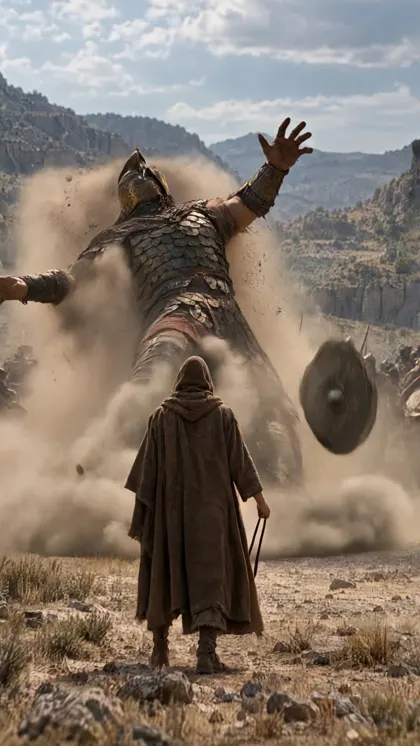
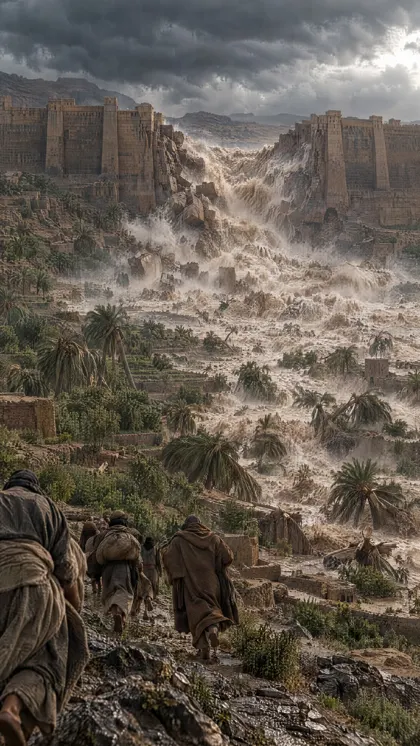
QASAS is a Quran stories app, free with no ads and no account, that tells the stories of the prophets as short cinematic films without faces, true to the Quran. Alongside "Sulayman and the Ant" you will find "Dawud and Jalut", the story of his father, and "The Dam of Saba'", about the same land the queen ruled.
The app also holds the full mushaf with tafsir (al-Muyassar and Ibn Kathir), so you can read Surah an-Naml from ayah 15 slowly with the explanation beside it. Prayer times, qibla, a 3D tasbih and daily adhkar are there too. For the signs Allah gave the other prophets, read our guide to the miracles of the prophets in the Quran, and for Sulayman's du'a alongside those of the other prophets, see the du'as of the prophets in the Quran. Another righteous ruler who said "this is a mercy from my Lord" is Dhul-Qarnayn.
Frequently asked questions
Where is the story of Prophet Sulayman in the Quran?
Mainly in Surah an-Naml 27:15-44, which tells of the ant, the hoopoe and the Queen of Saba'. More is found in Surah al-Anbiya' 21:78-82, Surah Saba' 34:12-14 and Surah Sad 38:30-40, and Surah al-Baqarah 2:102 clears him of magic.
What did the ant say to Prophet Sulayman?
The ant did not speak to Sulayman; she spoke to the other ants. She said: “O ants, enter your dwellings that you not be crushed by Solomon and his soldiers while they perceive not.”
(Quran 27:18) Sulayman heard and understood her, smiled, and thanked Allah.
Why did Sulayman threaten the hoopoe?
Because the hoopoe had left its place in his army without permission. Al-Muyassar explains the punishment as discipline for leaving its duty, and the ayah left room for an excuse: “unless he brings me clear authorization”
(Quran 27:21). The hoopoe returned with news from Saba' and was not punished.
Who was the Queen of Sheba in the Quran?
She was the ruler of Saba' in Yemen, a wise queen whose people worshipped the sun. The Quran does not name her; Ibn Kathir and other commentators call her Bilqis. After seeing Sulayman's signs she said: “I submit with Solomon to Allāh, Lord of the worlds.”
(Quran 27:44)
Did Prophet Sulayman marry the Queen of Sheba?
The Quran does not say so. Her story ends with her submission to Allah in 27:44. Reports about a marriage and other details are not in the Quran, and al-Sa'di says such Israiliyyat should be left out of tafsir.
Who brought the throne of the Queen of Sheba to Sulayman?
It was “one who had knowledge from the Scripture”
(Quran 27:40). The Quran does not name him. Al-Sa'di reports the commentators' view that he was a righteous scholar named Asif ibn Barkhiya who called on Allah, and adds "Allah knows best."
How did Prophet Sulayman die?
He died leaning on his staff, and the jinn kept working because they thought he was alive, until a creature of the earth ate through the staff and he fell (34:14). Al-Muyassar names it as the termite, and says the ayah shows the jinn do not know the unseen.
Could Prophet Sulayman talk to animals?
He was taught the speech of birds (27:16) and understood the ant (27:19). Ibn Kathir says he understood the language of birds and animals, "something no human was given, as far as we know," and rejects the claim that animals spoke like people before him.
Sources
Surah an-Naml 27:15-44, Surah al-Anbiya' 21:78-82, Surah Saba' 34:12-14, Surah Sad 38:30-40 and Surah al-Baqarah 2:102, with al-Tafsir al-Muyassar, Tafsir Ibn Kathir (27:16, 27:20, 27:36, 27:41, 27:44, 34:14, 38:33-34), Tafsir al-Sa'di (21:78, 27:15-44, 34:12-14, 38:30-35) and al-Tabari as reported by Ibn Kathir (38:33). Quran translation: Saheeh International.
Updated: · By QASAS