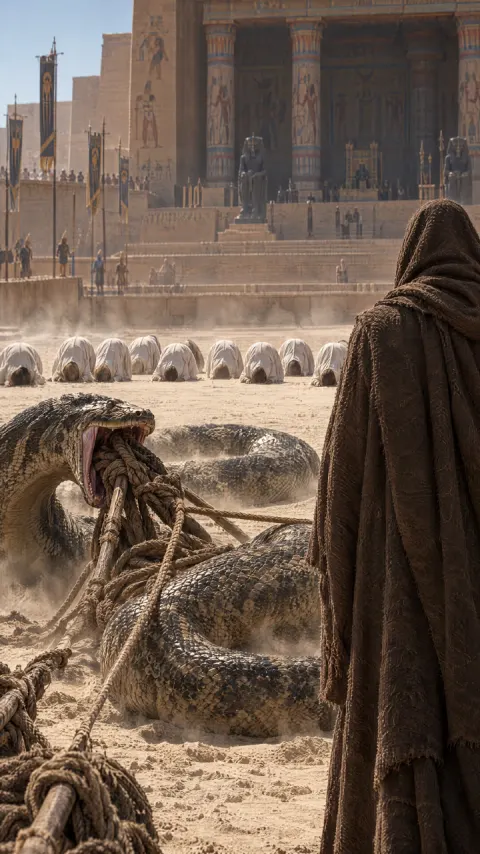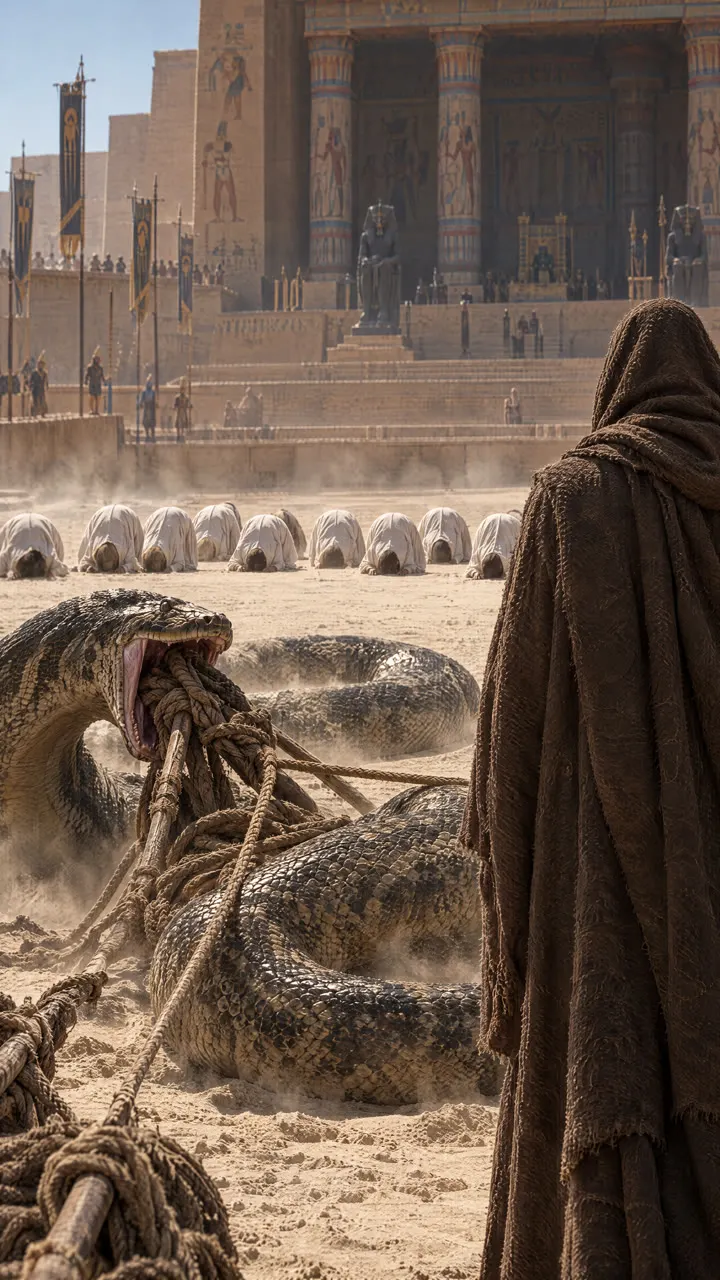
The miracles of the prophets in the Quran are some of the most remembered moments in the whole Book. Children know the staff of Musa and the fire of Ibrahim before they can read. Yet the Quran rarely uses the word people use today. It calls these events ayah (a sign), bayyinah (a clear proof) and burhan (a decisive evidence). Each word tells us what a miracle is for: it points beyond itself, to the One who sent the messenger.
This article gathers those signs in one place, from Ibrahim to 'Isa (peace be upon them all), and lets the ayat and the classical tafsir explain them. It does not retell each story in full; for that, read the story of Musa and Pharaoh and the story of Prophet Ibrahim. Here we ask three questions: what did Allah give each prophet, why did He give it, and what should a believer take from it today? Every ayah is quoted from the text itself, and every explanation is credited to the tafsir it comes from.
What is a miracle in the Quran?
A miracle in the Quran is a sign from Allah, beyond what people can do, that proves a messenger is truthful. The Quran describes all the messengers together in one sentence:
﴿لَقَدْ أَرْسَلْنَا رُسُلَنَا بِٱلْبَيِّنَـٰتِ وَأَنزَلْنَا مَعَهُمُ ٱلْكِتَـٰبَ وَٱلْمِيزَانَ لِيَقُومَ ٱلنَّاسُ بِٱلْقِسْطِ ۖ وَأَنزَلْنَا ٱلْحَدِيدَ فِيهِ بَأْسٌ شَدِيدٌ وَمَنَـٰفِعُ لِلنَّاسِ وَلِيَعْلَمَ ٱللَّهُ مَن يَنصُرُهُۥ وَرُسُلَهُۥ بِٱلْغَيْبِ ۚ إِنَّ ٱللَّهَ قَوِىٌّ عَزِيزٌ ٢٥﴾(25) We have already sent Our messengers with clear evidences and sent down with them the Scripture and the balance that the people may maintain [their affairs] in justice. And We sent down iron, wherein is great military might and benefits for the people, and so that Allāh may make evident those who support Him and His messengers unseen. Indeed, Allāh is Powerful and Exalted in Might.
Al-Sa'di explains that the "clear evidences" (al-bayyinat) are "the proofs, witnesses and signs that show the truth of what they brought." Al-Tafsir al-Muyassar calls them "the clear arguments." So the first job of a miracle is evidence. It answers the question every people asked their prophet: how do we know you are telling the truth?
The Quran is just as clear about the second point. A prophet does not own his miracles:
﴿وَلَقَدْ أَرْسَلْنَا رُسُلًا مِّن قَبْلِكَ مِنْهُم مَّن قَصَصْنَا عَلَيْكَ وَمِنْهُم مَّن لَّمْ نَقْصُصْ عَلَيْكَ ۗ وَمَا كَانَ لِرَسُولٍ أَن يَأْتِىَ بِـَٔايَةٍ إِلَّا بِإِذْنِ ٱللَّهِ ۚ فَإِذَا جَآءَ أَمْرُ ٱللَّهِ قُضِىَ بِٱلْحَقِّ وَخَسِرَ هُنَالِكَ ٱلْمُبْطِلُونَ ٧٨﴾(78) And We have already sent messengers before you. Among them are those [whose stories] We have related to you, and among them are those [whose stories] We have not related to you. And it was not for any messenger to bring a sign [or verse] except by permission of Allāh. So when the command of Allāh comes, it will be concluded [i.e., judged] in truth, and the falsifiers will thereupon lose [all].
Al-Sa'di writes that all the messengers "are directed; nothing of the matter is in their hands," and that no messenger could bring a sign "except by His will and His command." Al-Tafsir al-Muyassar adds that this covers every kind of sign, whether seen with the eyes or understood with the mind. This single ayah protects the believer from two mistakes: doubting the signs, and treating the one who carried them as if he had divine power.
The Quran uses a third word for Musa's two first signs. After the staff and the shining hand, Allah tells him “for those are two proofs from your Lord to Pharaoh and his establishment.”
(Quran 28:32) The Arabic word is burhanan, two decisive proofs. Signs, clear proofs, decisive evidence: three names for one purpose.
Why did Allah give the prophets miracles?
Allah gave the prophets miracles to prove their message, to warn those who heard it, and to test whether they would believe. The Quran states the warning plainly, in an ayah that also names one of the most famous signs:
﴿وَمَا مَنَعَنَآ أَن نُّرْسِلَ بِٱلْـَٔايَـٰتِ إِلَّآ أَن كَذَّبَ بِهَا ٱلْأَوَّلُونَ ۚ وَءَاتَيْنَا ثَمُودَ ٱلنَّاقَةَ مُبْصِرَةً فَظَلَمُوا۟ بِهَا ۚ وَمَا نُرْسِلُ بِٱلْـَٔايَـٰتِ إِلَّا تَخْوِيفًا ٥٩﴾(59) And nothing has prevented Us from sending signs [i.e., miracles] except that the former peoples denied them. And We gave Thamūd the she-camel as a visible sign, but they wronged her. And We send not the signs except as a warning.
Al-Sa'di explains that the signs were never meant to be the only door to faith, because the proofs a messenger already brought were enough for anyone seeking guidance. "The intention of them," he writes, "is warning and deterrence, so that people turn back from what they are on." He also points out a mercy hidden in the ayah: when a people demanded a sign and then denied it, punishment came quickly, as it did to the earlier nations. Holding back the signs that deniers demanded was therefore better for them.
Ibn Kathir, commenting on the signs of 'Isa, records an observation from many scholars: Allah sent each prophet with a sign suited to the people of his time. Magic was admired in Musa's age, so he came with a sign that "dazzled the eyes and bewildered every magician," until the magicians themselves recognised it was from Allah and submitted. 'Isa came in an age of physicians, and he brought what no physician could do: life given to a shape of clay, and healing for the blind and the leper. Ibn Kathir completes the pattern with the Quran itself, a book that people of great eloquence could not match, "because the speech of the Lord never resembles the speech of creation."
Ibrahim: the fire that became coolness and safety
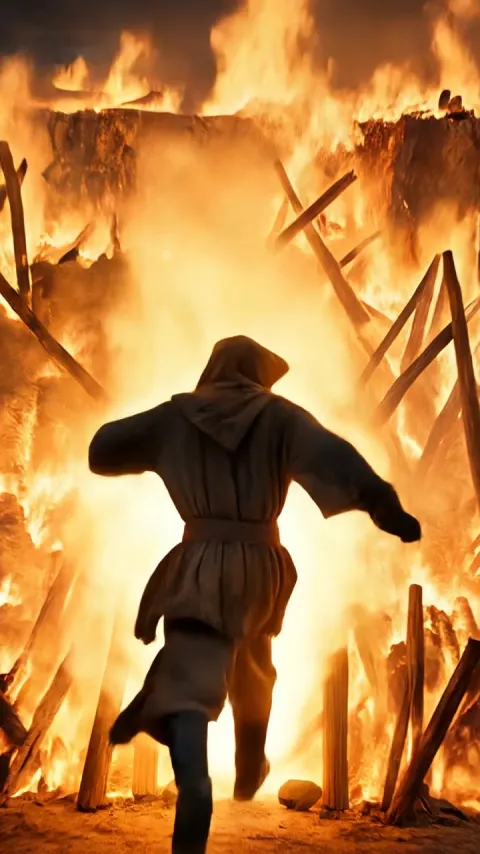
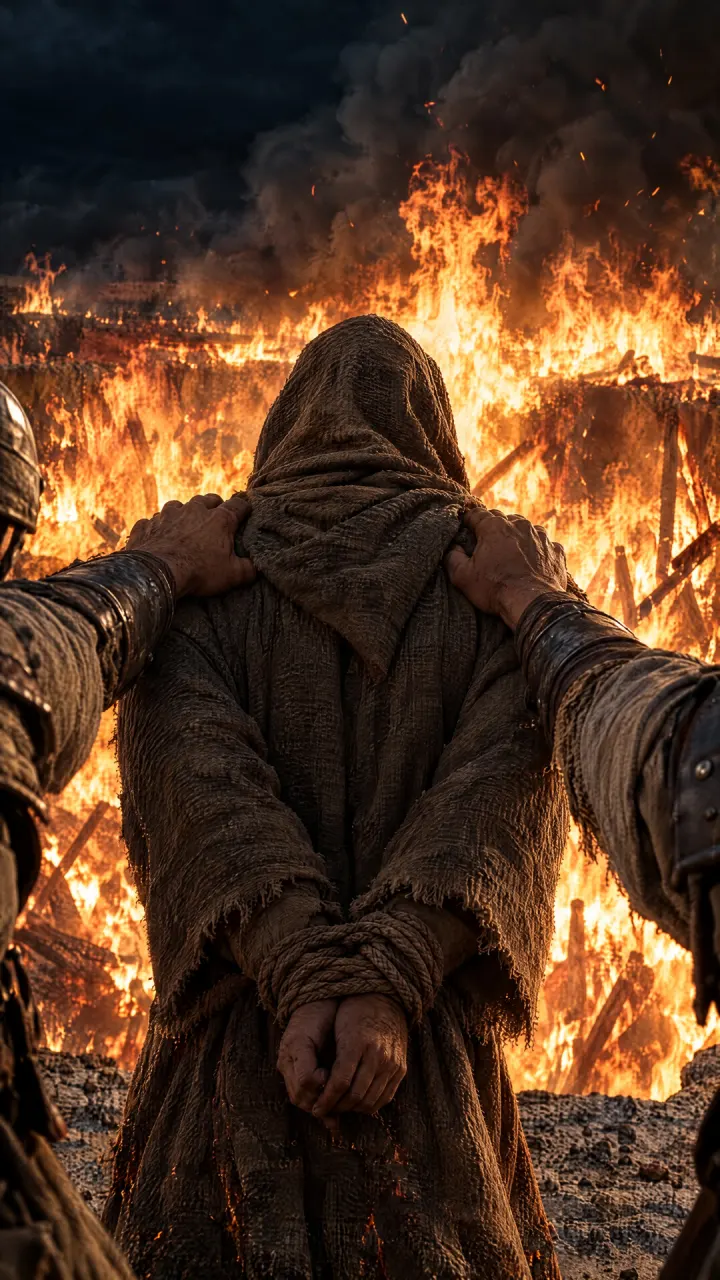
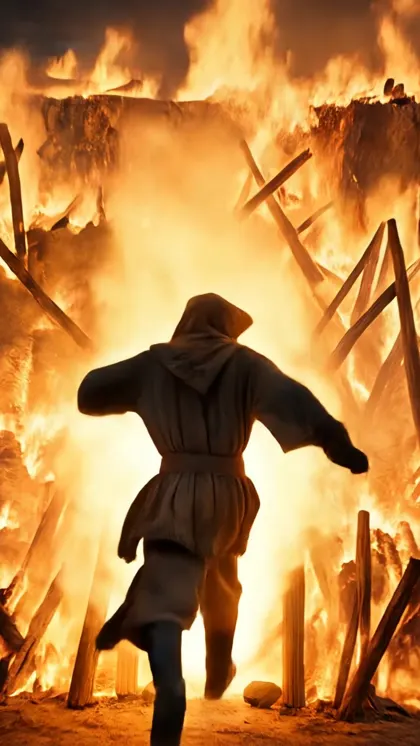
The miracle of Prophet Ibrahim (peace be upon him) is that his people threw him into a great fire and Allah commanded the fire not to harm him. When their arguments had collapsed in front of the broken idols, they turned to force:
﴿قَالُوا۟ حَرِّقُوهُ وَٱنصُرُوٓا۟ ءَالِهَتَكُمْ إِن كُنتُمْ فَـٰعِلِينَ ٦٨ قُلْنَا يَـٰنَارُ كُونِى بَرْدًا وَسَلَـٰمًا عَلَىٰٓ إِبْرَٰهِيمَ ٦٩ وَأَرَادُوا۟ بِهِۦ كَيْدًا فَجَعَلْنَـٰهُمُ ٱلْأَخْسَرِينَ ٧٠﴾(68) They said, "Burn him and support your gods - if you are to act." (69) We [i.e., Allāh] said, "O fire, be coolness and safety upon Abraham." (70) And they intended for him a plan [i.e., harm], but We made them the greatest losers.
Al-Tafsir al-Muyassar explains that they lit a great fire and threw him in, "so Allah gave victory to His messenger" and no harm reached him. Al-Sa'di adds that the fire was coolness and safety for him, "no harm reached him in it, and he felt nothing unpleasant." Notice the two words: not only coolness, but safety. The fire did not become a different danger; it became a place where nothing could hurt him. The Quran gives no further description of the fire's size or how long he stayed, and no detail beyond this is needed.
 Watch this story in QASASIbrahim and the FireThey threw him into the fire. It did not burn him.Open on Google Play →
Ibrahim was also shown a sign for his own heart. He asked “My Lord, show me how You give life to the dead.”
(Quran 2:260) He was told to take four birds, place parts of them on separate hills and call them. Al-Tafsir al-Muyassar describes how every part returned to its place and the birds came hurrying to him. Ibrahim already believed; he asked, in the words of the ayah, “only that my heart may be satisfied.”
(Quran 2:260) Not every sign in the Quran was meant for the deniers. Some were a gift of certainty to a believer. You can read the full account in the story of Prophet Ibrahim.
Salih: the she-camel of Allah
The miracle of Prophet Salih (peace be upon him) was the she-camel, which the Quran calls “the she-camel of Allāh”
(Quran 7:73). Salih presented her to the people of Thamud as clear evidence:
﴿وَإِلَىٰ ثَمُودَ أَخَاهُمْ صَـٰلِحًا ۗ قَالَ يَـٰقَوْمِ ٱعْبُدُوا۟ ٱللَّهَ مَا لَكُم مِّنْ إِلَـٰهٍ غَيْرُهُۥ ۖ قَدْ جَآءَتْكُم بَيِّنَةٌ مِّن رَّبِّكُمْ ۖ هَـٰذِهِۦ نَاقَةُ ٱللَّهِ لَكُمْ ءَايَةً ۖ فَذَرُوهَا تَأْكُلْ فِىٓ أَرْضِ ٱللَّهِ ۖ وَلَا تَمَسُّوهَا بِسُوٓءٍ فَيَأْخُذَكُمْ عَذَابٌ أَلِيمٌ ٧٣﴾(73) And to the Thamūd [We sent] their brother Ṣāliḥ. He said, "O my people, worship Allāh; you have no deity other than Him. There has come to you clear evidence from your Lord. This is the she-camel of Allāh [sent] to you as a sign. So leave her to eat within Allāh's land and do not touch her with harm, lest there seize you a painful punishment.
The Quran tells us that Thamud themselves had asked for a sign: “You are but a man like ourselves, so bring a sign, if you should be of the truthful.”
(Quran 26:154) Al-Tabari explains that Salih used the she-camel as proof of his prophethood "because they asked him for her as a sign," and that the people knew it was "one of the miracles that no one can do the like of except Allah." Both al-Tabari and al-Tafsir al-Muyassar say that Allah brought her out of the rock for them. The Quran itself does not describe how she came; that detail comes from the tafsir, and we mention it with its source.
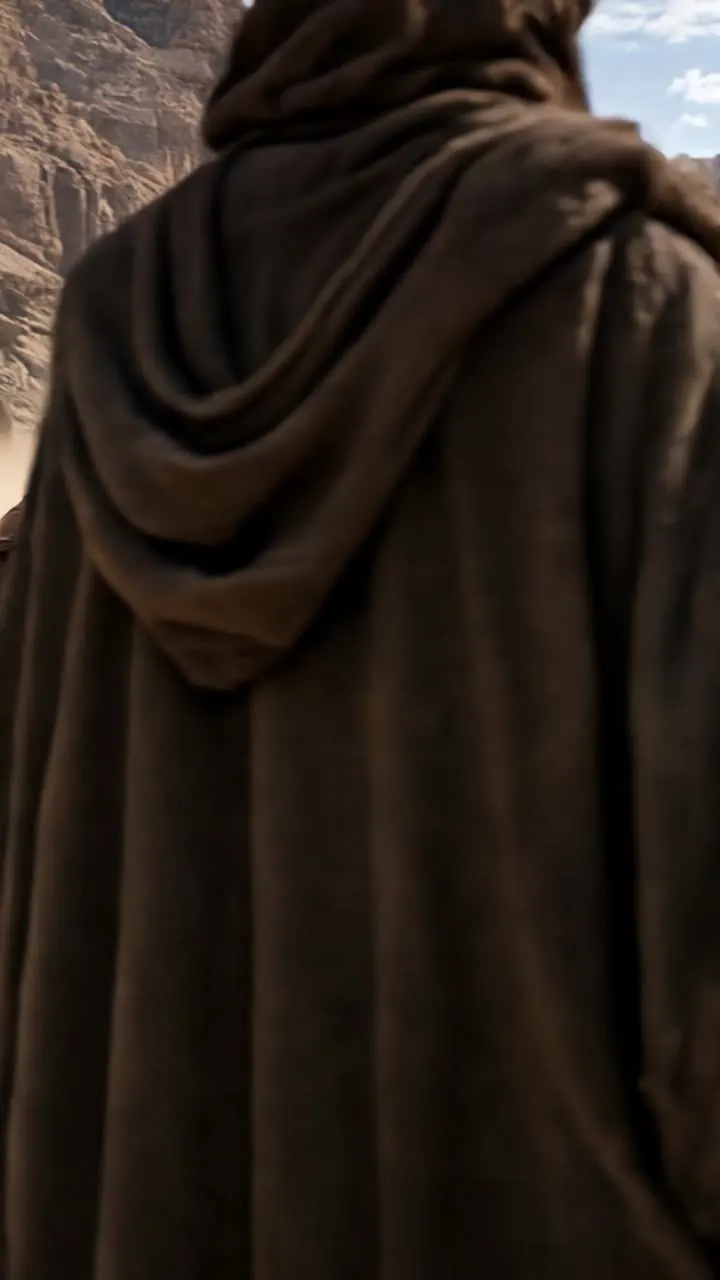
The she-camel came with a condition: the water was to be shared, one day for her and one day for the people.
﴿قَالَ هَـٰذِهِۦ نَاقَةٌ لَّهَا شِرْبٌ وَلَكُمْ شِرْبُ يَوْمٍ مَّعْلُومٍ ١٥٥ وَلَا تَمَسُّوهَا بِسُوٓءٍ فَيَأْخُذَكُمْ عَذَابُ يَوْمٍ عَظِيمٍ ١٥٦ فَعَقَرُوهَا فَأَصْبَحُوا۟ نَـٰدِمِينَ ١٥٧ فَأَخَذَهُمُ ٱلْعَذَابُ ۗ إِنَّ فِى ذَٰلِكَ لَـَٔايَةً ۖ وَمَا كَانَ أَكْثَرُهُم مُّؤْمِنِينَ ١٥٨﴾(155) He said, "This is a she-camel. For her is a [time of] drink, and for you is a [time of] drink, [each] on a known day. (156) And do not touch her with harm, lest you be seized by the punishment of a terrible day." (157) But they hamstrung her and so became regretful. (158) And the punishment seized them. Indeed in that is a sign, but most of them were not to be believers.
Allah says He was sending her “as trial for them”
(Quran 54:27). Al-Sa'di explains that she was "one of the greatest blessings upon them," a sign from Allah from whose milk the whole tribe drank, and at the same time a test of whether they would believe. They failed it. They called on their companion, “and he dared and hamstrung [her].”
(Quran 54:29) Then the punishment came after three days, as Salih had warned (11:65). The lesson is clear: a sign obliges whoever receives it. Thamud asked for a miracle, received one, and were held to account for how they treated it.
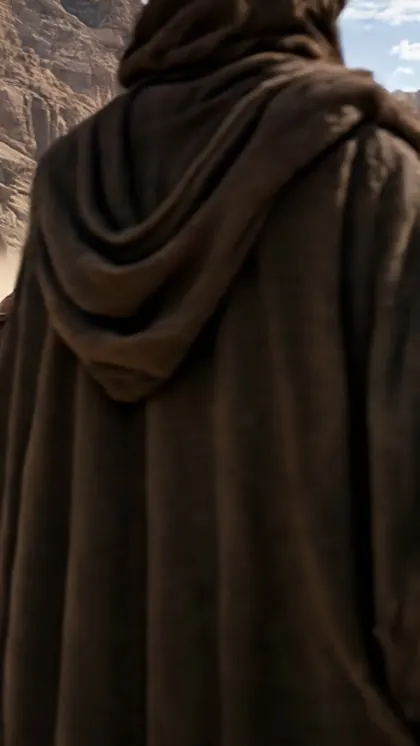 Watch this story in QASASSalih and the She-CamelA camel came out of the rock... so why did they kill her?Open on Google Play →
Musa: the staff, the hand and the nine signs
Prophet Musa (peace be upon him) was given many visible signs, and the Quran describes them in more than one surah. They began at the valley of Tuwa, when Allah asked him “And what is that in your right hand, O Moses?”
(Quran 20:17) Musa answered that it was his staff, which he leaned on and used to bring down leaves for his sheep. Then came the command:
﴿قَالَ أَلْقِهَا يَـٰمُوسَىٰ ١٩ فَأَلْقَىٰهَا فَإِذَا هِىَ حَيَّةٌ تَسْعَىٰ ٢٠ قَالَ خُذْهَا وَلَا تَخَفْ ۖ سَنُعِيدُهَا سِيرَتَهَا ٱلْأُولَىٰ ٢١ وَٱضْمُمْ يَدَكَ إِلَىٰ جَنَاحِكَ تَخْرُجْ بَيْضَآءَ مِنْ غَيْرِ سُوٓءٍ ءَايَةً أُخْرَىٰ ٢٢ لِنُرِيَكَ مِنْ ءَايَـٰتِنَا ٱلْكُبْرَى ٢٣﴾(19) [Allāh] said, "Throw it down, O Moses." (20) So he threw it down, and thereupon it was a snake, moving swiftly. (21) [Allāh] said, "Seize it and fear not; We will return it to its former condition. (22) And draw in your hand to your side; it will come out white without disease - another sign, (23) That We may show you [some] of Our greater signs.
Al-Tafsir al-Muyassar explains that the staff turned into a moving snake "by the permission of Allah," and that Allah did this "so that We may show you, O Musa, from Our greater proofs what shows Our power, the greatness of Our authority, and the truth of your message." The same staff that Musa leaned on to feed his sheep became the sign of his message.
The Quran says “We had certainly given Moses nine evident signs”
(Quran 17:101), without listing all nine in that ayah. Ibn Kathir reports the explanation of Ibn 'Abbas and others among the early scholars: the staff, the hand, the years of drought, the shortage of fruits, the flood, the locusts, the lice, the frogs and the blood. He calls this view "clear, good and strong," and notes that the Quran names the staff and the hand in Surah an-Naml and details the rest in Surah al-A'raf:
﴿فَأَرْسَلْنَا عَلَيْهِمُ ٱلطُّوفَانَ وَٱلْجَرَادَ وَٱلْقُمَّلَ وَٱلضَّفَادِعَ وَٱلدَّمَ ءَايَـٰتٍ مُّفَصَّلَـٰتٍ فَٱسْتَكْبَرُوا۟ وَكَانُوا۟ قَوْمًا مُّجْرِمِينَ ١٣٣﴾(133) So We sent upon them the flood and locusts and lice and frogs and blood as distinct signs, but they were arrogant and were a criminal people.
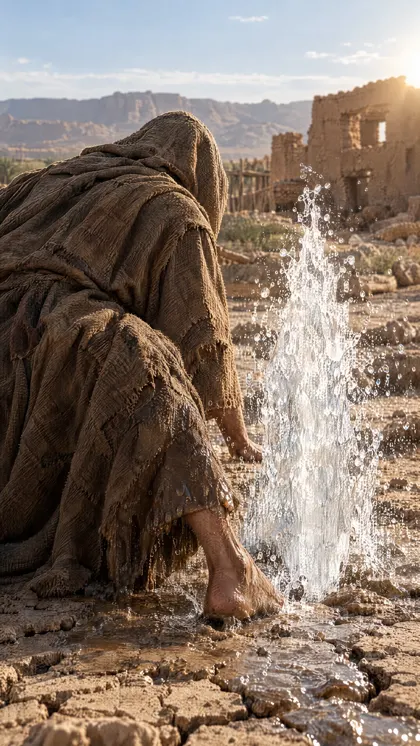
Ibn Kathir adds that Musa was given many other signs besides these nine, such as water bursting from the rock and the shade of the clouds after leaving Egypt. The nine were the ones Pharaoh and his people saw, and they were proof against them. When Musa's people were thirsty in the wilderness, Allah told him “Strike with your staff the stone.”
(Quran 2:60) Twelve springs gushed out, and al-Tafsir al-Muyassar explains that each tribe was told its own spring so they would not quarrel.
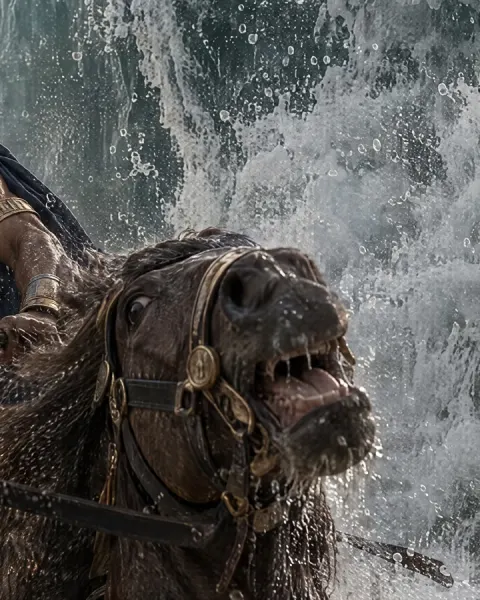
The greatest sign of all came at the sea. With Pharaoh's army behind them, Musa's companions said they would be caught, and Musa answered “No! Indeed, with me is my Lord; He will guide me.”
(Quran 26:62)
﴿فَأَوْحَيْنَآ إِلَىٰ مُوسَىٰٓ أَنِ ٱضْرِب بِّعَصَاكَ ٱلْبَحْرَ ۖ فَٱنفَلَقَ فَكَانَ كُلُّ فِرْقٍ كَٱلطَّوْدِ ٱلْعَظِيمِ ٦٣ وَأَزْلَفْنَا ثَمَّ ٱلْـَٔاخَرِينَ ٦٤ وَأَنجَيْنَا مُوسَىٰ وَمَن مَّعَهُۥٓ أَجْمَعِينَ ٦٥ ثُمَّ أَغْرَقْنَا ٱلْـَٔاخَرِينَ ٦٦﴾(63) Then We inspired to Moses, "Strike with your staff the sea," and it parted, and each portion was like a great towering mountain. (64) And We advanced thereto the others [i.e., the pursuers]. (65) And We saved Moses and those with him, all together. (66) Then We drowned the others.
Al-Sa'di and al-Tafsir al-Muyassar both explain that the sea split into twelve paths, and each part stood like a great mountain until Musa and his people crossed. Then the same sea closed over the army that followed them.
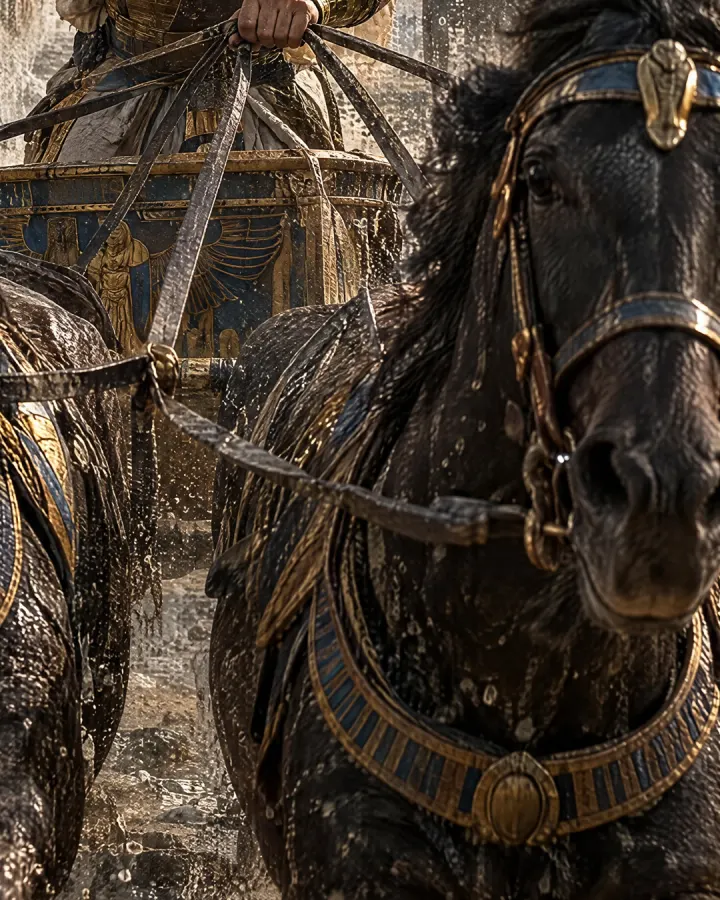
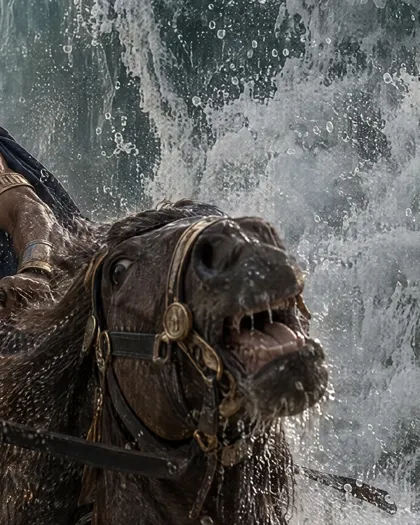 Watch this story in QASASPharaoh's Last WordsAt the moment of drowning he said: I believe.Open on Google Play →
Miracle or magic? How the magicians knew the difference
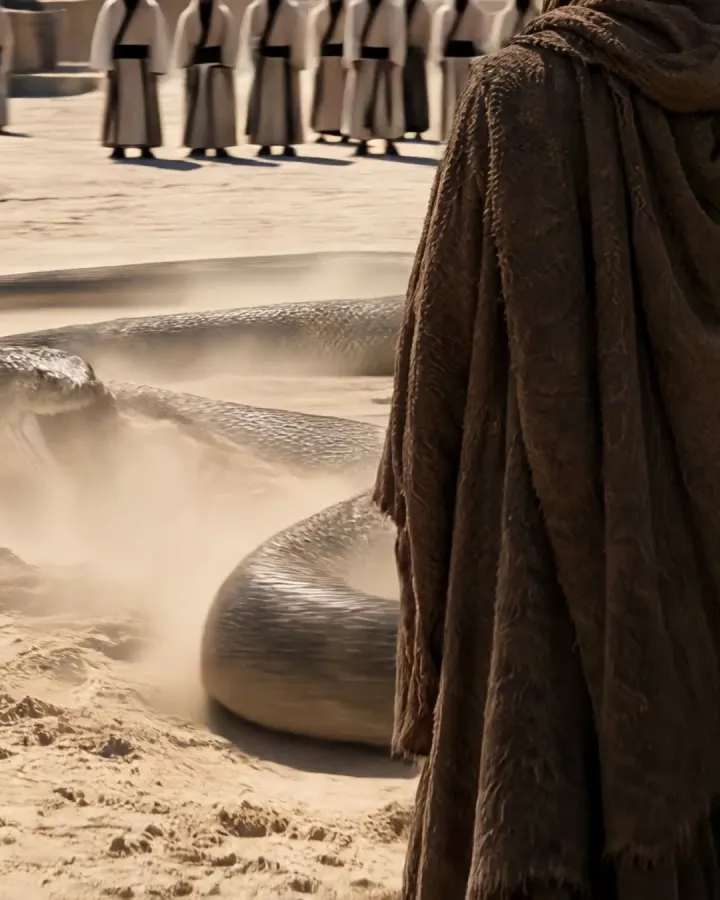
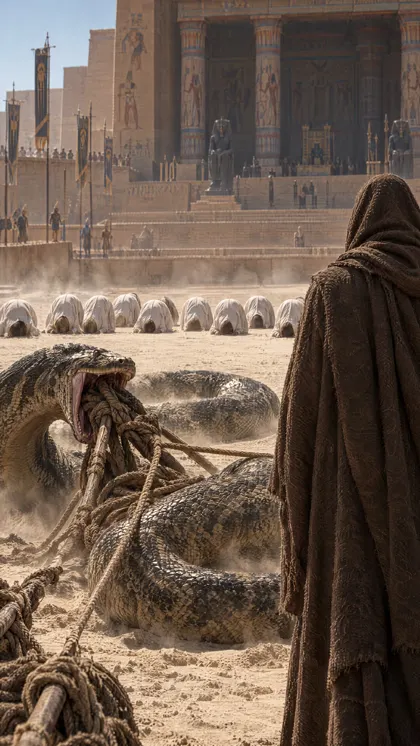
A miracle is real and comes from Allah; magic is an illusion that deceives the eyes. The Quran shows this difference in a single public scene. Pharaoh gathered his best magicians on a festival day, and they threw their ropes and staffs:
﴿قَالَ أَلْقُوا۟ ۖ فَلَمَّآ أَلْقَوْا۟ سَحَرُوٓا۟ أَعْيُنَ ٱلنَّاسِ وَٱسْتَرْهَبُوهُمْ وَجَآءُو بِسِحْرٍ عَظِيمٍ ١١٦ ۞ وَأَوْحَيْنَآ إِلَىٰ مُوسَىٰٓ أَنْ أَلْقِ عَصَاكَ ۖ فَإِذَا هِىَ تَلْقَفُ مَا يَأْفِكُونَ ١١٧ فَوَقَعَ ٱلْحَقُّ وَبَطَلَ مَا كَانُوا۟ يَعْمَلُونَ ١١٨ فَغُلِبُوا۟ هُنَالِكَ وَٱنقَلَبُوا۟ صَـٰغِرِينَ ١١٩ وَأُلْقِىَ ٱلسَّحَرَةُ سَـٰجِدِينَ ١٢٠﴾(116) He said, "Throw," and when they threw, they bewitched the eyes of the people and struck terror into them, and they presented a great [feat of] magic. (117) And We inspired to Moses, "Throw your staff," and at once it devoured what they were falsifying. (118) So the truth was established, and abolished was what they were doing. (119) And they [i.e., Pharaoh and his people] were overcome right there and became debased. (120) And the magicians fell down in prostration [to Allāh].
Al-Tafsir al-Muyassar explains that the magicians “bewitched the eyes of the people”
(Quran 7:116), so that people imagined their ropes were real, "though it was nothing but craft and imagination." Musa's staff, by contrast, really swallowed what they had made. Allah had told him beforehand “the magician will not succeed wherever he is.”
(Quran 20:69) Al-Sa'di explains that magicians "make things look other than they are," and that when the staff swallowed everything they had made while the people watched, the magicians "knew with certainty that this was not magic and that it was from Allah, so they hurried to believe."
This is why the people best placed to judge were the magicians themselves. They knew the limits of their craft better than anyone. Musa had said to them “What you have brought is [only] magic. Indeed, Allāh will expose its worthlessness.”
(Quran 10:81) Every prophet was accused of magic at some point, including 'Isa (5:110), and every time the accusation said more about the accuser than about the sign. The full scene is told in the story of Musa and Pharaoh.
 Watch this story in QASASMusa and the MagiciansThe staff became a serpent and swallowed their tricks.Open on Google Play →
Dawud and Sulayman: signs of power that called for gratitude
The miracles of Prophet Dawud and Prophet Sulayman (peace be upon them) were signs of power over creation: mountains, birds, iron, wind and jinn. For Dawud, the Quran says:
﴿۞ وَلَقَدْ ءَاتَيْنَا دَاوُۥدَ مِنَّا فَضْلًا ۖ يَـٰجِبَالُ أَوِّبِى مَعَهُۥ وَٱلطَّيْرَ ۖ وَأَلَنَّا لَهُ ٱلْحَدِيدَ ١٠ أَنِ ٱعْمَلْ سَـٰبِغَـٰتٍ وَقَدِّرْ فِى ٱلسَّرْدِ ۖ وَٱعْمَلُوا۟ صَـٰلِحًا ۖ إِنِّى بِمَا تَعْمَلُونَ بَصِيرٌ ١١﴾(10) And We certainly gave David from Us bounty. [We said], "O mountains, repeat [Our] praises with him, and the birds [as well]." And We made pliable for him iron, (11) [Commanding him], "Make full coats of mail and calculate [precisely] the links, and work [all of you] righteousness. Indeed I, of what you do, am Seeing."
Al-Tafsir al-Muyassar explains that the mountains and birds glorified Allah with him, and that iron became for him "like dough, which he shaped as he wished," so that he could make coats of mail with carefully measured links. His son Sulayman inherited his prophethood and knowledge, and was given even more:
﴿وَلِسُلَيْمَـٰنَ ٱلرِّيحَ عَاصِفَةً تَجْرِى بِأَمْرِهِۦٓ إِلَى ٱلْأَرْضِ ٱلَّتِى بَـٰرَكْنَا فِيهَا ۚ وَكُنَّا بِكُلِّ شَىْءٍ عَـٰلِمِينَ ٨١ وَمِنَ ٱلشَّيَـٰطِينِ مَن يَغُوصُونَ لَهُۥ وَيَعْمَلُونَ عَمَلًا دُونَ ذَٰلِكَ ۖ وَكُنَّا لَهُمْ حَـٰفِظِينَ ٨٢﴾(81) And to Solomon [We subjected] the wind, blowing forcefully, proceeding by his command toward the land which We had blessed. And We are ever, of all things, Knowing. (82) And of the devils [i.e., jinn] were those who dived for him and did work other than that. And We were of them a guardian.
Sulayman also said “O people, we have been taught the language of birds, and we have been given from all things.”
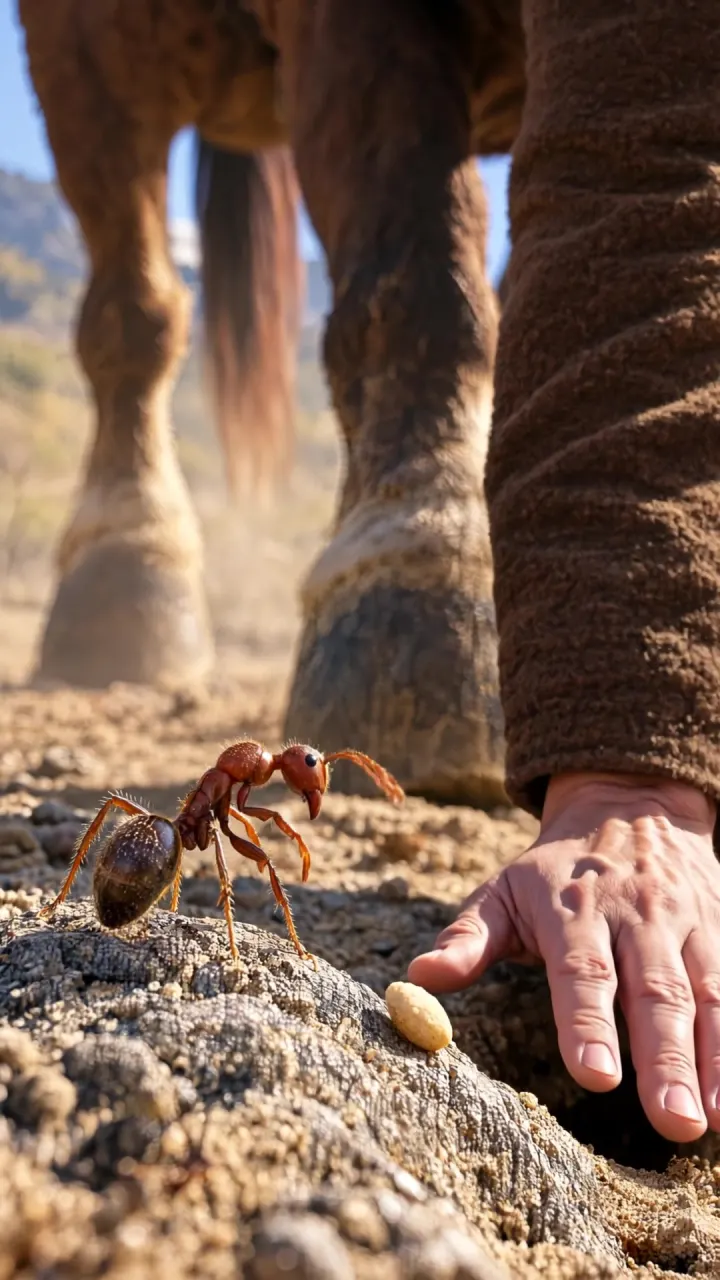
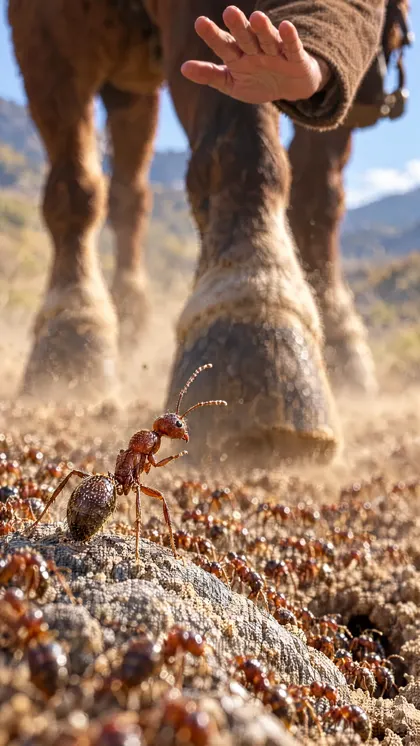
(Quran 27:16) Al-Tafsir al-Muyassar explains that the wind carried him and those with him wherever he commanded, toward the blessed land of al-Sham. When an ant warned the others to get out of the way of his army, Sulayman understood her and smiled, and his first reaction was a du'a of gratitude:
﴿فَتَبَسَّمَ ضَاحِكًا مِّن قَوْلِهَا وَقَالَ رَبِّ أَوْزِعْنِىٓ أَنْ أَشْكُرَ نِعْمَتَكَ ٱلَّتِىٓ أَنْعَمْتَ عَلَىَّ وَعَلَىٰ وَٰلِدَىَّ وَأَنْ أَعْمَلَ صَـٰلِحًا تَرْضَىٰهُ وَأَدْخِلْنِى بِرَحْمَتِكَ فِى عِبَادِكَ ٱلصَّـٰلِحِينَ ١٩﴾(19) So [Solomon] smiled, amused at her speech, and said, "My Lord, enable me to be grateful for Your favor which You have bestowed upon me and upon my parents and to do righteousness of which You approve. And admit me by Your mercy into [the ranks of] Your righteous servants."
 Watch this story in QASASSulayman and the AntOne ant warned the others, and the prophet smiled.Open on Google Play →
Even the throne of the Queen of Saba' was brought to him “before your glance returns to you”
(Quran 27:40) by one “who had knowledge from the Scripture”
(Quran 27:40). The Quran does not name him. Al-Sa'di reports the view of the commentators that he was a righteous man of knowledge at Sulayman's court who called on Allah, and then adds "and Allah knows best" whether that is what is meant. What matters most is what Sulayman said when he saw the throne in front of him: “This is from the favor of my Lord to test me whether I will be grateful or ungrateful.”
(Quran 27:40) Al-Sa'di comments that he was not deceived by his kingdom and power, "as is the habit of ignorant kings," but knew it was a test from his Lord. The whole family was told “Work, O family of David, in gratitude.”
(Quran 34:13)
'Isa: miracles by the permission of Allah
The miracles of Prophet 'Isa (peace be upon him) are among the most striking in the Quran, and the Quran repeats with each of them that they happened by the permission of Allah. His first sign came as a newborn, when his mother Maryam (peace be upon her) pointed to him and the people objected:
﴿فَأَشَارَتْ إِلَيْهِ ۖ قَالُوا۟ كَيْفَ نُكَلِّمُ مَن كَانَ فِى ٱلْمَهْدِ صَبِيًّا ٢٩ قَالَ إِنِّى عَبْدُ ٱللَّهِ ءَاتَىٰنِىَ ٱلْكِتَـٰبَ وَجَعَلَنِى نَبِيًّا ٣٠﴾(29) So she pointed to him. They said, "How can we speak to one who is in the cradle a child?" (30) [Jesus] said, "Indeed, I am the servant of Allāh. He has given me the Scripture and made me a prophet.
Al-Sa'di explains that the people were astonished "because that had never happened, and no one had ever done it at that age." Notice the very first words 'Isa spoke: “Indeed, I am the servant of Allāh.”
(Quran 19:30) The first miracle of 'Isa was a declaration that he was a servant.
As a messenger to the Children of Israel, he told them:
﴿وَرَسُولًا إِلَىٰ بَنِىٓ إِسْرَٰٓءِيلَ أَنِّى قَدْ جِئْتُكُم بِـَٔايَةٍ مِّن رَّبِّكُمْ ۖ أَنِّىٓ أَخْلُقُ لَكُم مِّنَ ٱلطِّينِ كَهَيْـَٔةِ ٱلطَّيْرِ فَأَنفُخُ فِيهِ فَيَكُونُ طَيْرًۢا بِإِذْنِ ٱللَّهِ ۖ وَأُبْرِئُ ٱلْأَكْمَهَ وَٱلْأَبْرَصَ وَأُحْىِ ٱلْمَوْتَىٰ بِإِذْنِ ٱللَّهِ ۖ وَأُنَبِّئُكُم بِمَا تَأْكُلُونَ وَمَا تَدَّخِرُونَ فِى بُيُوتِكُمْ ۚ إِنَّ فِى ذَٰلِكَ لَـَٔايَةً لَّكُمْ إِن كُنتُم مُّؤْمِنِينَ ٤٩﴾(49) And [make him] a messenger to the Children of Israel, [who will say], 'Indeed I have come to you with a sign from your Lord in that I design for you from clay [that which is] like the form of a bird, then I breathe into it and it becomes a bird by permission of Allāh. And I cure the blind [from birth] and the leper, and I give life to the dead - by permission of Allāh. And I inform you of what you eat and what you store in your houses. Indeed in that is a sign for you, if you are believers.
Ibn Kathir explains that he would shape a bird from clay, breathe into it, and it would fly "before their eyes, by the permission of Allah, Who made this a miracle showing that He had sent him." He prefers the view that al-akmah is the one born blind, "because that is more powerful as a miracle." In Surah al-Ma'idah, Allah reminds 'Isa of these same blessings, and the phrase "with My permission" is repeated four times in a single ayah (5:110). The ayah ends with the reaction of those who refused to believe: “This is not but obvious magic.”
(Quran 5:110) Al-Tafsir al-Muyassar calls these signs "dazzling miracles that support the prophethood of 'Isa," all of them "by the will of Allah and His permission."
His disciples also asked for a table of food from the sky, so that their hearts might be reassured. 'Isa prayed “O Allāh, our Lord, send down to us a table [spread with food] from the heaven to be for us a festival for the first of us and the last of us and a sign from You.”
(Quran 5:114) Allah answered that He would send it, with a severe warning for anyone who disbelieved after it (5:115). Once again, a requested sign raised the responsibility of those who asked for it.
Signs of mercy: Ayyub, Yunus and Ya'qub
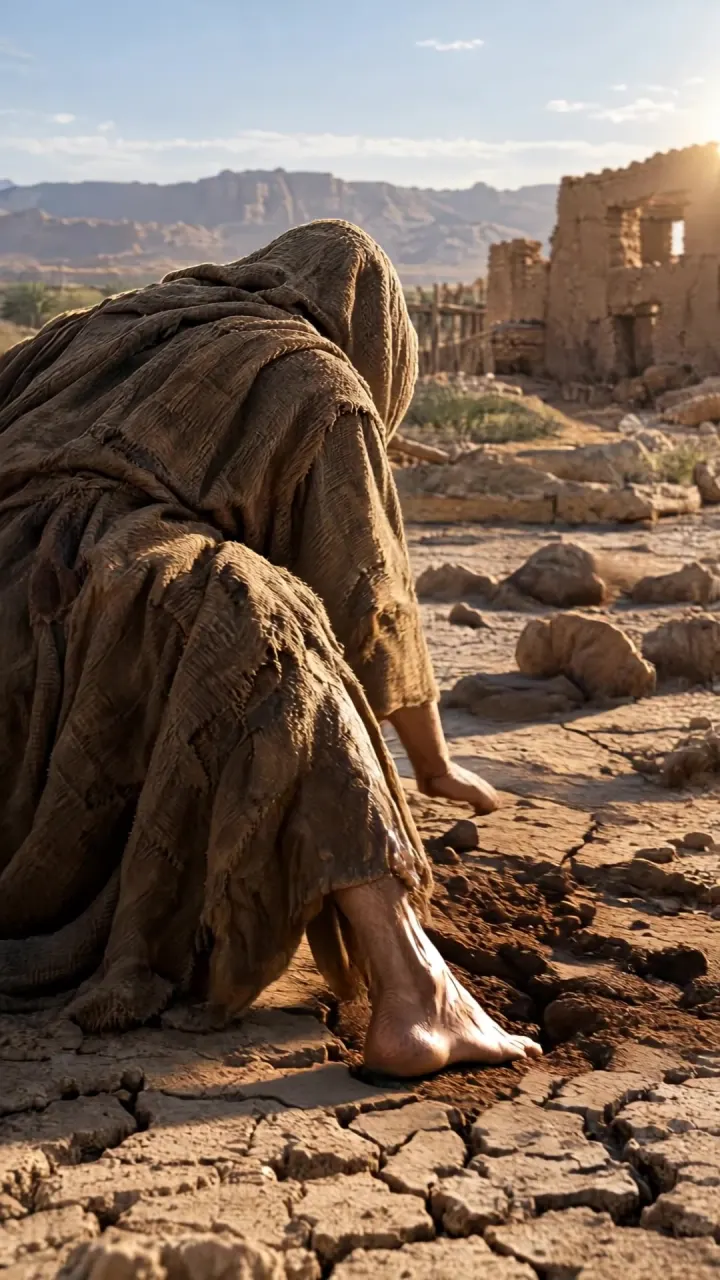
Not every sign in the stories of the prophets was given to convince a hostile people. Some were mercy for a prophet at the end of a trial. Prophet Ayyub (peace be upon him), after illness and, as al-Sa'di explains, the loss of his family and wealth, called his Lord, and was told:
﴿ٱرْكُضْ بِرِجْلِكَ ۖ هَـٰذَا مُغْتَسَلٌۢ بَارِدٌ وَشَرَابٌ ٤٢ وَوَهَبْنَا لَهُۥٓ أَهْلَهُۥ وَمِثْلَهُم مَّعَهُمْ رَحْمَةً مِّنَّا وَذِكْرَىٰ لِأُو۟لِى ٱلْأَلْبَـٰبِ ٤٣﴾(42) [So he was told], "Strike [the ground] with your foot; this is a [spring for a] cool bath and drink." (43) And We granted him his family and a like [number] with them as mercy from Us and a reminder for those of understanding.
Al-Tafsir al-Muyassar explains that water sprang from the ground where he struck it, and when he drank and washed, his harm left him. Allah returned his family to him and doubled them, "all of that as a mercy from Us and an honour for his patience." The Quran calls it “a reminder for those of understanding”
(Quran 38:43): relief follows patience. Read more in patience in the stories of the prophets.
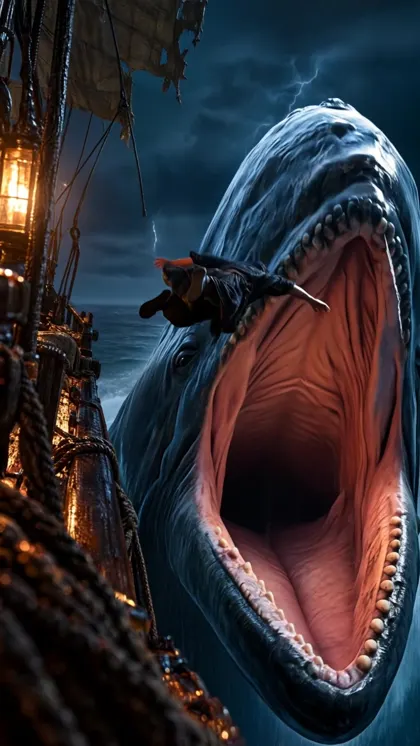
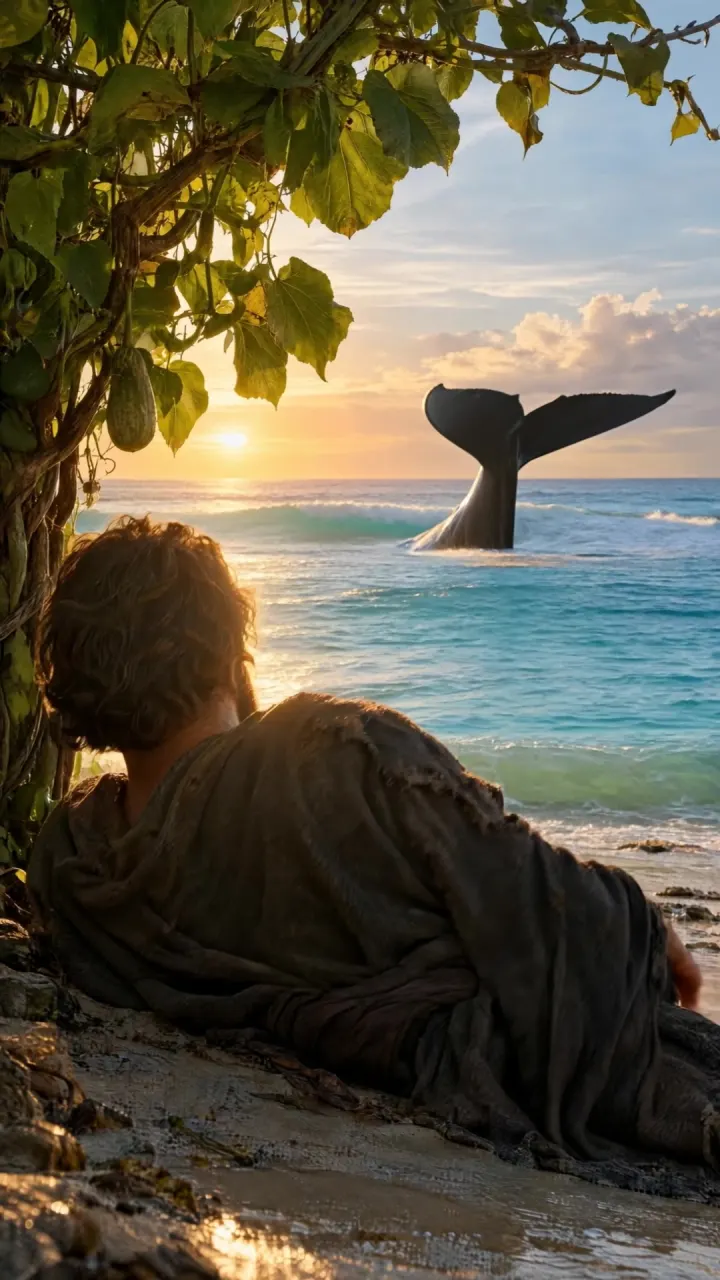
Prophet Yunus (peace be upon him) was swallowed by the great fish and kept alive inside it. Allah says that had he not been of those who glorify Him, “He would have remained inside its belly until the Day they are resurrected.”
(Quran 37:144) Then “We threw him onto the open shore while he was ill.”
(Quran 37:145) and “We caused to grow over him a gourd vine.”
(Quran 37:146) Al-Tafsir al-Muyassar explains that the plant shaded him and he benefited from it. The full story is in the story of Prophet Yunus.
And Prophet Ya'qub (peace be upon him), who had lost his sight from grief, regained it when his son Yusuf's shirt was placed on his face: “he cast it over his face, and he returned [once again] seeing.”
(Quran 12:96) Al-Sa'di writes that Allah has wisdom and secrets in this "that servants do not see," and that He had let Yusuf know of it. Ya'qub's own words sum up every sign of mercy: “Did I not tell you that I know from Allāh that which you do not know?”
(Quran 12:96)
Miracles of the prophets at a glance
| Prophet | Sign in the Quran | Ayat |
|---|---|---|
| Ibrahim | The fire made coolness and safety; the four birds | 21:68-70, 2:260 |
| Salih | The she-camel of Allah, with her share of water | 7:73, 26:155-158, 54:27-29 |
| Musa | The staff and the shining hand; nine signs to Pharaoh | 20:17-23, 17:101, 7:133 |
| Musa | The magicians' tricks swallowed by the staff | 7:116-120, 20:69 |
| Musa | The sea parted; twelve springs from the rock | 26:63-66, 2:60 |
| Dawud | Mountains and birds glorify with him; iron made soft | 34:10-11, 21:79-80 |
| Sulayman | The wind, the jinn, the speech of birds and the ant | 21:81-82, 27:16-19, 34:12 |
| 'Isa | Speaking in the cradle; clay bird, healing, life to the dead by Allah's permission; the table | 19:29-30, 3:49, 5:110-115 |
| Ayyub | A spring from the ground for healing | 38:42-43 |
| Yunus | Kept alive inside the fish, then a plant on the shore | 37:142-146 |
| Ya'qub | Sight returned by Yusuf's shirt | 12:93-96 |
Lessons from the miracles of the prophets
- Every sign belongs to Allah. No messenger brought a sign except by His permission (40:78), so our awe goes to the Giver, not to the one who carried it.
- Miracles are proof, not entertainment. They are called bayyinat and burhan because they answer the question "is this message true?" (57:25, 28:32).
- A sign brings responsibility. Thamud and the disciples of 'Isa asked for signs, and both were warned of what would follow if they disbelieved after them (54:27, 5:115).
- Truth defeats illusion. The magicians' ropes only seemed to move; the staff really swallowed them, and the truth was established (7:118).
- Seeing is not the same as believing. Pharaoh saw nine signs and still called Musa bewitched (17:101); the magicians saw one and believed.
- Power calls for gratitude. Sulayman's first words before the throne were "to test me whether I will be grateful" (27:40).
- Servanthood comes first. The first words of 'Isa in the cradle were "I am the servant of Allah" (19:30).
- Some signs are mercy for the patient. Ayyub's spring and Yunus's plant came after hardship and du'a (38:42, 37:146).
- Faith does not wait for a miracle. Al-Sa'di reminds us that the signs were not the only path to faith; the message itself carried its proofs (17:59).
Teaching the miracles of the prophets to children
Children love these moments, and they are a natural way to teach that Allah is able to do all things. Tell each sign with its reason: the fire was cool because Allah commanded it, the staff moved because Allah permitted it, the she-camel was a test of whether a people would keep their promise. Always end with the prophet's own response, which is the real lesson: Ibrahim's trust, Musa's "with me is my Lord," Sulayman's gratitude, and 'Isa's "I am the servant of Allah."
Avoid adding details the Quran does not give, such as the size of the fire or the length of the she-camel, and explain to older children the difference between a miracle and a trick. Three good questions to ask after a story: Who made this happen? Why did Allah give this sign? What did the prophet say or do afterwards?
Read and watch these signs in QASAS
QASAS is a free prophet stories app that tells many of these moments as short cinematic stories you can watch or read page by page, including "Musa and the Magicians," "Pharaoh's Last Words," "Ibrahim and the Fire," "Salih and the She-Camel" and "Sulayman and the Ant," each followed by a short quiz for children. Every story links to its ayat in the full mushaf with tafsir, so you can read al-Muyassar and Ibn Kathir on the same passages quoted here. The app also has prayer times, the qibla, a 3D tasbih and daily adhkar, with no ads and no account. For the inner side of these same stories, read tawakkul in the stories of the prophets.
Frequently asked questions
What are the miracles of the prophets in the Quran?
The Quran mentions signs given to many prophets: the fire made cool for Ibrahim, the she-camel of Salih, the staff, hand and nine signs of Musa, the parting of the sea, iron and the glorifying mountains for Dawud, the wind, jinn and speech of birds for Sulayman, and for 'Isa speaking in the cradle, the clay bird, healing and giving life to the dead by Allah's permission. The Quran calls them ayat (signs), bayyinat (clear proofs) and burhan (decisive evidence).
Why did Allah give the prophets miracles?
Allah gave the prophets miracles to prove that their message was from Him and to warn those who heard it. The Quran says “We send not the signs except as a warning.”
(Quran 17:59) Al-Sa'di explains that they were not the only path to faith, since the message already carried its proofs, but a warning to turn people back from falsehood.
Did every prophet have a miracle?
The Quran says Allah sent His messengers “with clear evidences”
(Quran 57:25), and al-Sa'di explains these as the proofs and signs showing the truth of what they brought. The Quran does not describe a specific miracle for every prophet, and it tells us that some messengers' stories were not related at all (40:78), so we do not claim details it does not give.
What is the difference between a miracle and magic?
A miracle is a real sign from Allah, while magic is an illusion that deceives the eyes. The Quran says the magicians “bewitched the eyes of the people”
(Quran 7:116), while Musa's staff truly swallowed their work. Al-Sa'di explains that the magicians knew with certainty it was not magic, which is why they believed at once.
What miracles did Prophet 'Isa perform?
Prophet 'Isa spoke as a baby in the cradle, shaped a bird from clay that flew when he breathed into it, healed the one born blind and the leper, gave life to the dead and told people what they ate and stored, all “by permission of Allāh”
(Quran 3:49). At his disciples' request he also prayed for a table of food from the sky (5:112-115).
Did the she-camel of Salih come out of a rock?
The Quran calls her "the she-camel of Allah" and a sign, but does not describe how she appeared. Al-Tabari and al-Tafsir al-Muyassar say that Allah brought her out of the rock because Thamud had asked for that sign. It is a tafsir explanation, so we mention it with its source and not as words of the Quran.
Was Ibrahim's escape from the fire a miracle?
Yes. Allah commanded the fire “be coolness and safety upon Abraham”
(Quran 21:69), and al-Sa'di explains that no harm reached him and he felt nothing unpleasant in it. The Quran presents it as Allah's victory for His messenger after his people's arguments had failed.
Sources
Quran: 57:25, 40:78, 17:59, 28:32, 21:68-70, 2:260, 7:73, 26:154-158, 54:27-29, 11:65, 20:17-23, 17:101, 7:133, 2:60, 26:62-66, 7:116-120, 20:69, 10:81, 34:10-13, 21:79-82, 27:16-19, 27:40, 19:29-30, 3:49, 5:110-115, 38:42-43, 37:144-146, 12:93-96 (Arabic Uthmani text and Saheeh International). Tafsir: al-Tafsir al-Muyassar; Ibn Kathir (3:49 on signs suited to each age, 17:101 on the nine signs); al-Tabari (7:73 on the she-camel); al-Sa'di (Taysir al-Karim al-Rahman) on 57:25, 40:78, 17:59, 21:69, 54:27, 20:69, 27:40, 19:29, 12:93.
Updated: · By QASAS