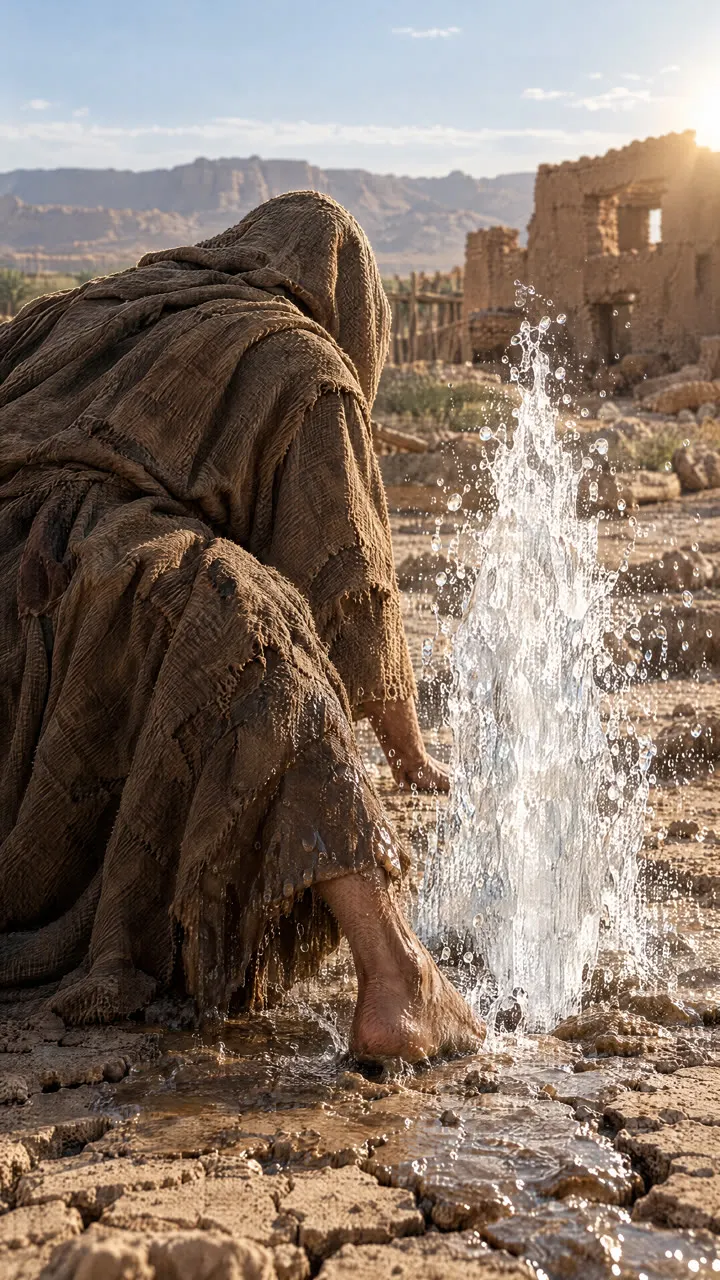
Patience in the stories of the prophets is one of the clearest threads in the whole Quran. Almost every prophet whose story is told faced a long trial: a people who mocked him, a family that was torn apart, an illness that would not lift, or a command that was hard to carry out. Each time, the Quran shows the same response: patience joined with trust in Allah.
This article gathers those moments in one place. It does not retell each story in full; for that, read our complete stories of Prophet Yusuf, Prophet Nuh and Prophet Yunus. Here we look at one question: what did patience look like in the lives of the prophets, and what does the Quran teach us through it? Every quotation of the Quran comes directly from the text, and every explanation is credited to the tafsir it comes from.
What patience (sabr) means in the Quran
In the Quran, patience means holding yourself steady for the sake of Allah: doing what He commands, staying away from what He forbids, and accepting what He decrees without anger. The Quran pairs it with prayer as the believer's main source of help:
﴿يَـٰٓأَيُّهَا ٱلَّذِينَ ءَامَنُوا۟ ٱسْتَعِينُوا۟ بِٱلصَّبْرِ وَٱلصَّلَوٰةِ ۚ إِنَّ ٱللَّهَ مَعَ ٱلصَّـٰبِرِينَ ١٥٣﴾(153) O you who have believed, seek help through patience and prayer. Indeed, Allāh is with the patient.
Al-Tafsir al-Muyassar explains this ayah by naming three kinds of patience: patience through hardships and calamities, patience in leaving sins, and patience in doing acts of obedience. It adds that “Allāh is with the patient”
(Quran 2:153) means that He is with them with His help, support and guidance.
The same three kinds appear when al-Muyassar explains an ayah about the prophets themselves. Allah says that Isma'il, Idris and Dhul-Kifl “all were of the patient”
(Quran 21:85), and al-Muyassar explains: patient in obeying Allah, patient in staying away from disobeying Him, and patient with what He decreed. That simple division is a useful key for reading every story below.
Prophet Nuh: patience in calling people to Allah
The patience of Prophet Nuh (peace be upon him) was the patience of a caller who did not give up. The Quran tells us how long he stayed among his people:
﴿وَلَقَدْ أَرْسَلْنَا نُوحًا إِلَىٰ قَوْمِهِۦ فَلَبِثَ فِيهِمْ أَلْفَ سَنَةٍ إِلَّا خَمْسِينَ عَامًا فَأَخَذَهُمُ ٱلطُّوفَانُ وَهُمْ ظَـٰلِمُونَ ١٤﴾(14) And We certainly sent Noah to his people, and he remained among them a thousand years minus fifty years, and the flood seized them while they were wrongdoers.
Al-Muyassar explains that throughout those years he called them to worship Allah alone and warned them against shirk, and they did not respond. In Surah Nuh, he describes his own effort to his Lord, and the description shows that he tried every way he could:
﴿قَالَ رَبِّ إِنِّى دَعَوْتُ قَوْمِى لَيْلًا وَنَهَارًا ٥ فَلَمْ يَزِدْهُمْ دُعَآءِىٓ إِلَّا فِرَارًا ٦ وَإِنِّى كُلَّمَا دَعَوْتُهُمْ لِتَغْفِرَ لَهُمْ جَعَلُوٓا۟ أَصَـٰبِعَهُمْ فِىٓ ءَاذَانِهِمْ وَٱسْتَغْشَوْا۟ ثِيَابَهُمْ وَأَصَرُّوا۟ وَٱسْتَكْبَرُوا۟ ٱسْتِكْبَارًا ٧﴾(5) He said, "My Lord, indeed I invited my people [to truth] night and day. (6) But my invitation increased them not except in flight [i.e., aversion]. (7) And indeed, every time I invited them that You may forgive them, they put their fingers in their ears, covered themselves with their garments, persisted, and were arrogant with [great] arrogance.
He called them “night and day”
(Quran 71:5), then “publicly”
(Quran 71:8), then both openly and in private (71:9). Their answer was to put their fingers in their ears and cover themselves with their garments so they would not hear him. Patience here was not sitting still. It was continuing to work, with a good heart, when the results did not come.

Prophet Ibrahim and Isma'il: patience in obeying a hard command
Some patience is about enduring what happens to you. The story of Ibrahim and his son Isma'il (peace be upon them) is about patience in obeying a command that was heavy to carry. When Isma'il was old enough to walk and work with his father, Ibrahim told him about a dream:
﴿فَلَمَّا بَلَغَ مَعَهُ ٱلسَّعْىَ قَالَ يَـٰبُنَىَّ إِنِّىٓ أَرَىٰ فِى ٱلْمَنَامِ أَنِّىٓ أَذْبَحُكَ فَٱنظُرْ مَاذَا تَرَىٰ ۚ قَالَ يَـٰٓأَبَتِ ٱفْعَلْ مَا تُؤْمَرُ ۖ سَتَجِدُنِىٓ إِن شَآءَ ٱللَّهُ مِنَ ٱلصَّـٰبِرِينَ ١٠٢﴾(102) And when he reached with him [the age of] exertion, he said, "O my son, indeed I have seen in a dream that I [must] sacrifice you, so see what you think." He said, "O my father, do as you are commanded. You will find me, if Allāh wills, of the steadfast."
Al-Sa'di explains that the dream of a prophet is revelation, so the command had to be carried out. Isma'il's reply, he says, shows a son who was patient, pleased with his Lord and dutiful to his father, and who tied his patience to the will of Allah, because nothing happens without it. Ibn Kathir adds that Ibrahim told his son about the dream to test his patience and resolve and to make the matter easier for him.
Then Allah says that they “had both submitted”
(Quran 37:103), and He called out to Ibrahim that he had fulfilled the vision, calling it “the clear trial”
(Quran 37:106). Isma'il was ransomed “with a great sacrifice”
(Quran 37:107). Ibn Kathir draws the lesson: when a servant obeys Allah in something hard, Allah makes a way out for him.
Prophet Ya'qub: "beautiful patience"
The phrase most people know about patience comes from Prophet Ya'qub (peace be upon him). When his sons came back without Yusuf, carrying a shirt with false blood on it, he did not believe their story, and he did not break down either:
﴿وَجَآءُو عَلَىٰ قَمِيصِهِۦ بِدَمٍ كَذِبٍ ۚ قَالَ بَلْ سَوَّلَتْ لَكُمْ أَنفُسُكُمْ أَمْرًا ۖ فَصَبْرٌ جَمِيلٌ ۖ وَٱللَّهُ ٱلْمُسْتَعَانُ عَلَىٰ مَا تَصِفُونَ ١٨﴾(18) And they brought upon his shirt false blood. [Jacob] said, "Rather, your souls have enticed you to something, so patience is most fitting. And Allāh is the one sought for help against that which you describe."
The Arabic words are fa-sabrun jamil, "beautiful patience." Al-Sa'di explains it as patience free of resentment and of complaining to people, and al-Muyassar describes it as patience with no complaint to any created being, seeking Allah's help rather than relying on one's own strength. Years later, when a second son was held back in Egypt, Ya'qub said the same words again and added hope: “Perhaps Allāh will bring them to me all together.”
(Quran 12:83)

Is crying against patience?
No. The Quran itself says that Ya'qub's “eyes became white from grief”
(Quran 12:84), and when his sons told him he would destroy himself with sorrow, he answered:
﴿قَالَ إِنَّمَآ أَشْكُوا۟ بَثِّى وَحُزْنِىٓ إِلَى ٱللَّهِ وَأَعْلَمُ مِنَ ٱللَّهِ مَا لَا تَعْلَمُونَ ٨٦ يَـٰبَنِىَّ ٱذْهَبُوا۟ فَتَحَسَّسُوا۟ مِن يُوسُفَ وَأَخِيهِ وَلَا تَا۟يْـَٔسُوا۟ مِن رَّوْحِ ٱللَّهِ ۖ إِنَّهُۥ لَا يَا۟يْـَٔسُ مِن رَّوْحِ ٱللَّهِ إِلَّا ٱلْقَوْمُ ٱلْكَـٰفِرُونَ ٨٧﴾(86) He said, "I only complain of my suffering and my grief to Allāh, and I know from Allāh that which you do not know. (87) O my sons, go and find out about Joseph and his brother and despair not of relief from Allāh. Indeed, no one despairs of relief from Allāh except the disbelieving people."
Ibn Kathir explains that Ya'qub held back his sorrow and did not complain to any created being; he took his complaint to Allah alone and expected every good from Him. Al-Sa'di states the rule clearly: complaining to the Creator does not contradict beautiful patience. Tears, sadness and du'a are part of being human. What patience rules out is anger at Allah's decree, complaining about Him to people, and giving up hope. Ya'qub ended his words by telling his sons: “despair not of relief from Allāh”
(Quran 12:87).
Prophet Yusuf: patience against temptation and in prison
Prophet Yusuf (peace be upon him) shows a different kind of patience: patience in staying away from sin, even when the price is high. When he was pressed to do wrong, he chose prison:
﴿قَالَ رَبِّ ٱلسِّجْنُ أَحَبُّ إِلَىَّ مِمَّا يَدْعُونَنِىٓ إِلَيْهِ ۖ وَإِلَّا تَصْرِفْ عَنِّى كَيْدَهُنَّ أَصْبُ إِلَيْهِنَّ وَأَكُن مِّنَ ٱلْجَـٰهِلِينَ ٣٣﴾(33) He said, "My Lord, prison is more to my liking than that to which they invite me. And if You do not avert from me their plan, I might incline toward them and [thus] be of the ignorant."
Al-Muyassar explains that Yusuf was seeking refuge with Allah from their evil and their plotting, and asking Him to turn it away so that he would not incline toward it. He did not trust his own strength; he asked for Allah's protection. Then he accepted years in prison rather than disobey his Lord.
At the end of the story, when his brothers finally recognised him, Yusuf summed up his whole life in one sentence:
﴿قَالُوٓا۟ أَءِنَّكَ لَأَنتَ يُوسُفُ ۖ قَالَ أَنَا۠ يُوسُفُ وَهَـٰذَآ أَخِى ۖ قَدْ مَنَّ ٱللَّهُ عَلَيْنَآ ۖ إِنَّهُۥ مَن يَتَّقِ وَيَصْبِرْ فَإِنَّ ٱللَّهَ لَا يُضِيعُ أَجْرَ ٱلْمُحْسِنِينَ ٩٠﴾(90) They said, "Are you indeed Joseph?" He said, "I am Joseph, and this is my brother. Allāh has certainly favored us. Indeed, he who fears Allāh and is patient, then indeed, Allāh does not allow to be lost the reward of those who do good."
Al-Sa'di explains yattaqi as staying away from what Allah has forbidden, and yasbir as being patient through pains and calamities. In the story of Yusuf the two always come together: the patience of the well, the patience of temptation and the patience of prison all ended with honour. You can read the whole journey in our complete story of Prophet Yusuf.
Prophet Ayyub: patience in illness and loss
When people think of patience, many think first of Prophet Ayyub (peace be upon him). He is the prophet about whom Allah said directly:
﴿وَخُذْ بِيَدِكَ ضِغْثًا فَٱضْرِب بِّهِۦ وَلَا تَحْنَثْ ۗ إِنَّا وَجَدْنَـٰهُ صَابِرًا ۚ نِّعْمَ ٱلْعَبْدُ ۖ إِنَّهُۥٓ أَوَّابٌ ٤٤﴾(44) [We said], "And take in your hand a bunch [of grass] and strike with it and do not break your oath." Indeed, We found him patient, an excellent servant. Indeed, he was one repeatedly turning back [to Allāh].
Al-Muyassar describes his trial: great harm and illness in his body, and the loss of his family, his wealth and his children, and it says that he was patient and hoped for Allah's reward. The Quran does not tell us how many years the illness lasted, and we do not need to know. What it tells us is how he spoke to his Lord:
﴿۞ وَأَيُّوبَ إِذْ نَادَىٰ رَبَّهُۥٓ أَنِّى مَسَّنِىَ ٱلضُّرُّ وَأَنتَ أَرْحَمُ ٱلرَّٰحِمِينَ ٨٣ فَٱسْتَجَبْنَا لَهُۥ فَكَشَفْنَا مَا بِهِۦ مِن ضُرٍّ ۖ وَءَاتَيْنَـٰهُ أَهْلَهُۥ وَمِثْلَهُم مَّعَهُمْ رَحْمَةً مِّنْ عِندِنَا وَذِكْرَىٰ لِلْعَـٰبِدِينَ ٨٤﴾(83) And [mention] Job, when he called to his Lord, "Indeed, adversity has touched me, and You are the most merciful of the merciful." (84) So We responded to him and removed what afflicted him of adversity. And We gave him [back] his family and the like thereof with them as mercy from Us and a reminder for the worshippers [of Allāh].
Al-Sa'di points out the manners of this du'a. Ayyub did not demand or list what he wanted. He described his own condition to Allah and appealed to His mercy, and that was enough. Allah answered him, removed his harm and gave him back his family and the like of them with them.
 Watch this story in QASASAyyub and the SpringYears of patience, then one strike of his foot.Open on Google Play →
In Surah Sad, Allah tells Ayyub: “Strike [the ground] with your foot; this is a [spring for a] cool bath and drink.”
(Quran 38:42) Al-Muyassar explains that cool water sprang from the ground for him to drink and wash in, and his harm went away.
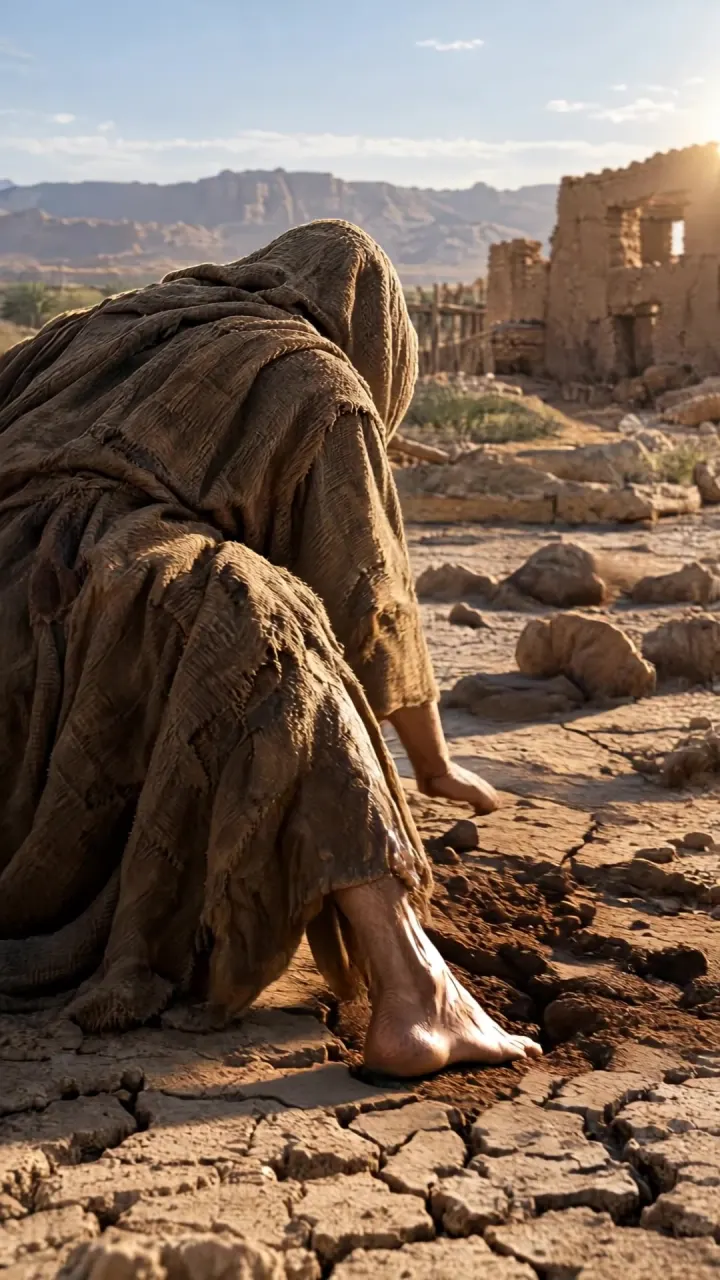
Why is this story in the Quran? Ibn Kathir explains that it is a reminder so that people who are tested do not think Allah tests them because He does not care for them; instead they should take Ayyub as their model of patience with Allah's decree. Al-Muyassar adds about 38:43 that it is a lesson for people of understanding, so that they know that the end of patience is relief and the lifting of harm.
Prophet Musa: patience with his people and patience in learning
Prophet Musa (peace be upon him) taught patience to his people while they suffered under Pharaoh:
﴿قَالَ مُوسَىٰ لِقَوْمِهِ ٱسْتَعِينُوا۟ بِٱللَّهِ وَٱصْبِرُوٓا۟ ۖ إِنَّ ٱلْأَرْضَ لِلَّهِ يُورِثُهَا مَن يَشَآءُ مِنْ عِبَادِهِۦ ۖ وَٱلْعَـٰقِبَةُ لِلْمُتَّقِينَ ١٢٨﴾(128) Said Moses to his people, "Seek help through Allāh and be patient. Indeed, the earth belongs to Allāh. He causes to inherit it whom He wills of His servants. And the [best] outcome is for the righteous."
Al-Muyassar explains that he told the Children of Israel to seek Allah's help against Pharaoh and his people, and to be patient with the harm they were suffering in themselves and their children. Allah later says that His promise to them was fulfilled “because of what they had patiently endured”
(Quran 7:137). In another surah, He says He made leaders from among them “when they were patient and [when] they were certain of Our signs.”
(Quran 32:24) The full story is in our article on Musa and Pharaoh.
There is also a gentler lesson about patience in the story of Musa and al-Khidr in Surah al-Kahf. When Musa asked to follow him and learn, al-Khidr warned him:
﴿قَالَ إِنَّكَ لَن تَسْتَطِيعَ مَعِىَ صَبْرًا ٦٧ وَكَيْفَ تَصْبِرُ عَلَىٰ مَا لَمْ تُحِطْ بِهِۦ خُبْرًا ٦٨ قَالَ سَتَجِدُنِىٓ إِن شَآءَ ٱللَّهُ صَابِرًا وَلَآ أَعْصِى لَكَ أَمْرًا ٦٩﴾(67) He said, "Indeed, with me you will never be able to have patience. (68) And how can you have patience for what you do not encompass in knowledge?" (69) [Moses] said, "You will find me, if Allāh wills, patient, and I will not disobey you in [any] order."
Al-Sa'di explains the second ayah: how can you be patient with something when you do not know its inside or its outside, its purpose or where it leads? Musa promised patience, but each strange action troubled him, and at the end al-Khidr explained everything, calling it “the interpretation of that about which you could not have patience.”
(Quran 18:82) The lesson is that patience is easier when we remember that Allah knows what we do not. Many things that look like loss carry a mercy we cannot yet see.
Prophet Yunus: when patience slipped, and the way back
The Quran is honest about the prophets, and the story of Yunus (peace be upon him) shows what happens when patience runs short. Allah says:
﴿وَذَا ٱلنُّونِ إِذ ذَّهَبَ مُغَـٰضِبًا فَظَنَّ أَن لَّن نَّقْدِرَ عَلَيْهِ فَنَادَىٰ فِى ٱلظُّلُمَـٰتِ أَن لَّآ إِلَـٰهَ إِلَّآ أَنتَ سُبْحَـٰنَكَ إِنِّى كُنتُ مِنَ ٱلظَّـٰلِمِينَ ٨٧ فَٱسْتَجَبْنَا لَهُۥ وَنَجَّيْنَـٰهُ مِنَ ٱلْغَمِّ ۚ وَكَذَٰلِكَ نُـۨجِى ٱلْمُؤْمِنِينَ ٨٨﴾(87) And [mention] the man of the fish [i.e., Jonah], when he went off in anger and thought that We would not decree [anything] upon him. And he called out within the darknesses, "There is no deity except You; exalted are You. Indeed, I have been of the wrongdoers." (88) So We responded to him and saved him from the distress. And thus do We save the believers.
Al-Muyassar explains that Yunus called his people and they did not believe; he did not stay patient with them as Allah had commanded and left them in anger. Allah tested him with the darkness of the sea and the belly of the whale, and from there he called out, repenting and admitting his fault in leaving patience with his people. Allah answered him and saved him, and said “thus do We save the believers.”
(Quran 21:88)
This story teaches that a lapse in patience is not the end. The way back is the same du'a Yunus made: declaring that there is no god but Allah, glorifying Him and admitting one's own wrong. Read the full story in Prophet Yunus and the whale.
Patience of the prophets at a glance
| Prophet | The trial | Kind of patience | Ayat |
|---|---|---|---|
| Nuh | His people rejected him for 950 years | Patience in calling to Allah | 29:14, 71:5-9 |
| Ibrahim and Isma'il | The command in the dream | Patience in obedience | 37:102-107 |
| Ya'qub | Losing Yusuf, then his brother | Patience with Allah's decree ("beautiful patience") | 12:18, 12:83-87 |
| Yusuf | Temptation and prison | Patience in leaving sin | 12:33, 12:90 |
| Ayyub | Illness and loss of family and wealth | Patience with Allah's decree | 21:83-84, 38:41-44 |
| Musa | Pharaoh's oppression; learning from al-Khidr | Patience with harm; patience with what we do not understand | 7:128, 18:67-82 |
| Yunus | Leaving his people in anger | Returning to patience through repentance | 21:87-88 |
| Isma'il, Idris, Dhul-Kifl | Praised together | Named by Allah among the patient | 21:85 |
What the Quran promises the patient
The Quran promises the patient Allah's company, His blessings and mercy, and a reward without limit. Right after telling believers that they will be tested, Allah gives them good news:
﴿وَلَنَبْلُوَنَّكُم بِشَىْءٍ مِّنَ ٱلْخَوْفِ وَٱلْجُوعِ وَنَقْصٍ مِّنَ ٱلْأَمْوَٰلِ وَٱلْأَنفُسِ وَٱلثَّمَرَٰتِ ۗ وَبَشِّرِ ٱلصَّـٰبِرِينَ ١٥٥ ٱلَّذِينَ إِذَآ أَصَـٰبَتْهُم مُّصِيبَةٌ قَالُوٓا۟ إِنَّا لِلَّهِ وَإِنَّآ إِلَيْهِ رَٰجِعُونَ ١٥٦ أُو۟لَـٰٓئِكَ عَلَيْهِمْ صَلَوَٰتٌ مِّن رَّبِّهِمْ وَرَحْمَةٌ ۖ وَأُو۟لَـٰٓئِكَ هُمُ ٱلْمُهْتَدُونَ ١٥٧﴾(155) And We will surely test you with something of fear and hunger and a loss of wealth and lives and fruits, but give good tidings to the patient, (156) Who, when disaster strikes them, say, "Indeed we belong to Allāh, and indeed to Him we will return." (157) Those are the ones upon whom are blessings from their Lord and mercy. And it is those who are the [rightly] guided.
Al-Muyassar explains that the patient, when something they dislike happens, say that they are servants owned by Allah, under His command, and that they will return to Him. For them are praise from their Lord, great mercy, and guidance. Elsewhere the Quran says “the patient will be given their reward without account”
(Quran 39:10), which al-Muyassar explains as a reward with no limit, number or measure. And about the believers who stood with the prophets of the past, Allah says “Allāh loves the steadfast.”
(Quran 3:146)
Lessons of patience from the prophets
- Patience is active. Nuh kept calling his people night and day; patience meant continuing to work, not giving up.
- Patience has three sides. Obeying Allah, leaving what He forbids and accepting what He decrees, as al-Muyassar explains.
- Sadness is not impatience. Ya'qub wept until his eyes turned white, yet the Quran calls his patience beautiful.
- Complain to Allah, not about Him.
“I only complain of my suffering and my grief to Allāh”
(Quran 12:86) is the model for every believer in pain. - Never despair of Allah's relief. Ya'qub sent his sons to search, full of hope, after years of loss.
- Ask Allah for strength. Yusuf did not rely on himself; he asked Allah to turn the plot away from him.
- Du'a with good manners. Ayyub described his state and appealed to Allah's mercy, and Allah answered him.
- Trust what you do not understand. Musa's journey with al-Khidr shows that hidden wisdom often lies behind what looks like loss.
- A slip can be repaired. Yunus turned back to Allah in the darkness, and Allah saved him.
- The end belongs to the patient. Yusuf's honour, Ayyub's healing and Ya'qub's reunion all came after patience.
Teaching patience to children through the stories of the prophets
Children understand patience best through stories, not lectures. A few simple ideas:
- One prophet, one picture. Ayyub striking the ground and a spring coming out, or Ya'qub choosing beautiful patience, is easier to remember than a definition.
- Name the feeling. Explain that Ya'qub was very sad and still patient, so children learn that feeling sad is allowed.
- Give them words. Teach them to say inna lillahi wa inna ilayhi raji'un when something goes wrong, from 2:156.
- Ask a question afterwards. "What did Ayyub say to Allah?" or "What did Yusuf choose instead of doing wrong?"
The QASAS app makes this easier. Its Islamic stories for kids can be watched as short cinematic episodes or read page by page, and each story ends with a short quiz that turns the lesson into a conversation.
Read and watch the stories in QASAS
QASAS is a free prophet stories app with no ads, no account and no tracking. The stories of Ayyub, Yusuf, Yunus and Nuh are all in the app, so you can watch and read them with your family after reading this article. It also has a full mushaf with tafsir (al-Muyassar and Ibn Kathir), so you can open every ayah quoted here in its place, along with prayer times, the qibla and a 3D tasbih. It is available now on Android through Google Play; the iPhone version is coming soon.
Frequently asked questions
Which prophet is known for patience in Islam?
Prophet Ayyub is the prophet most known for patience. Allah says of him “Indeed, We found him patient, an excellent servant.”
(Quran 38:44) The Quran also praises Isma'il, Idris and Dhul-Kifl as "of the patient" (21:85), and Ya'qub's beautiful patience (12:18) is famous.
What are the three types of patience in the Quran?
They are patience in obeying Allah, patience in staying away from sins, and patience with what Allah decrees. Al-Tafsir al-Muyassar names these three when it explains 2:153 and 21:85.
Does crying or feeling sad break patience?
No. Ya'qub's eyes turned white from grief (12:84), and he said he complained of his grief only to Allah (12:86). Al-Sa'di explains that complaining to the Creator does not contradict beautiful patience; what patience rules out is resentment and complaining to people.
What du'a did Prophet Ayyub make?
He said: “Indeed, adversity has touched me, and You are the most merciful of the merciful.”
(Quran 21:83) Al-Sa'di notes that he simply described his condition and appealed to Allah's mercy, and Allah answered him.
What is the reward for patience in the Quran?
Allah is with the patient (2:153), they receive blessings, mercy and guidance from their Lord (2:157), and “the patient will be given their reward without account”
(Quran 39:10), which al-Muyassar explains as a reward without limit or measure.
Why could Musa not be patient with al-Khidr?
Because he could not see the wisdom behind what al-Khidr did. Al-Khidr asked “how can you have patience for what you do not encompass in knowledge?”
(Quran 18:68) and al-Sa'di explains that it is hard to be patient with something whose purpose and outcome you do not know.
Did Prophet Yunus lose patience?
Al-Tafsir al-Muyassar explains that Yunus left his people in anger without staying patient with them as Allah commanded (21:87). He then repented in the darkness, and Allah answered him and saved him (21:88).
What does "inna lillahi wa inna ilayhi raji'un" mean?
It means “Indeed we belong to Allāh, and indeed to Him we will return.”
(Quran 2:156) The Quran teaches it as the words of the patient when disaster strikes (2:156).
Sources
Quran: Surah al-Baqarah 2:153-157; Ali 'Imran 3:146; al-A'raf 7:128 and 7:137; Yusuf 12:18, 12:33, 12:83-90; al-Kahf 18:66-82; al-Anbiya' 21:83-88; al-'Ankabut 29:14; as-Sajdah 32:24; as-Saffat 37:101-107; Sad 38:41-44; az-Zumar 39:10; Nuh 71:5-9. Tafsir: Ibn Kathir (Tafsir al-Quran al-'Azim), al-Sa'di (Taysir al-Karim al-Rahman) and al-Tafsir al-Muyassar (King Fahd Complex).
Updated: · By QASAS