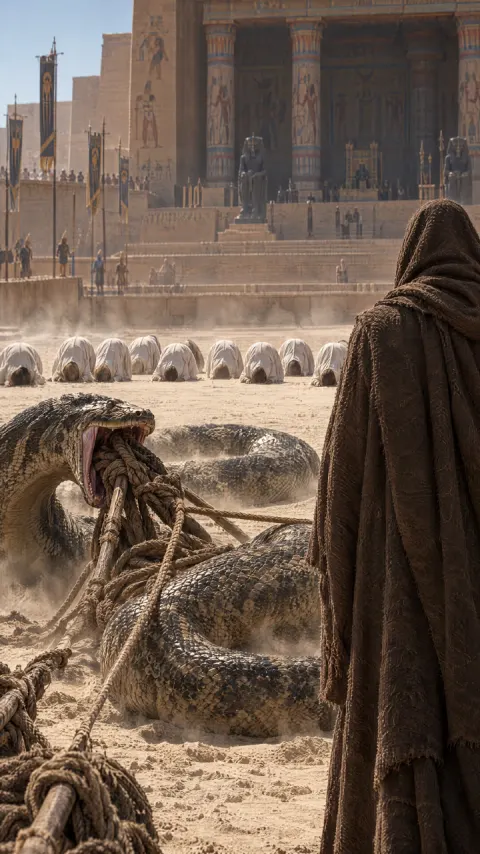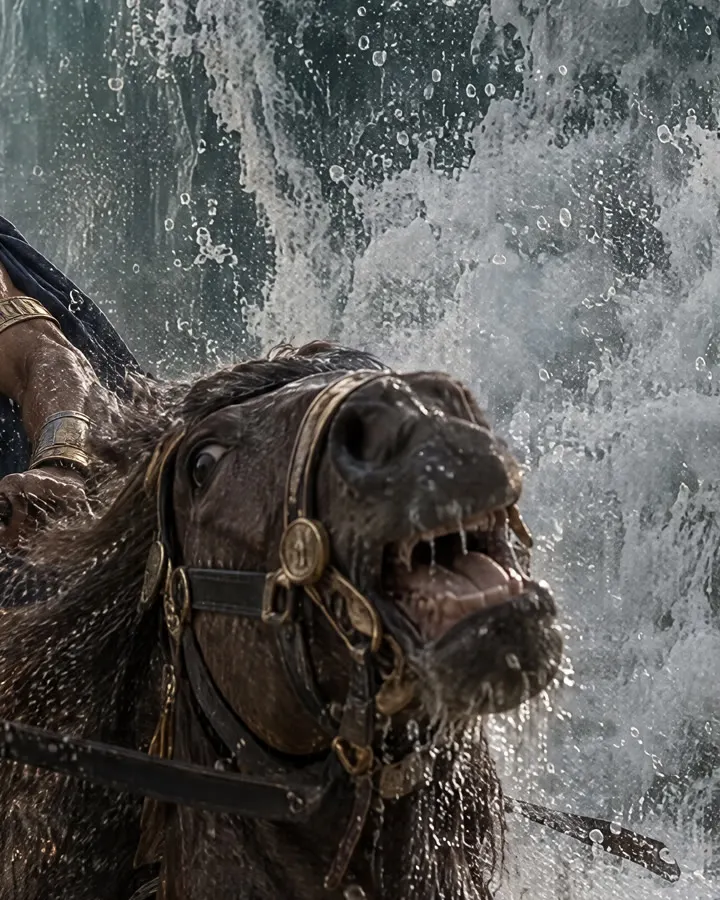
Tawakkul in the stories of the prophets is the quiet thread that holds every one of them together. A prophet stands alone in front of a hostile people, a father sends his sons on a dangerous journey, a mother places her newborn in a river, a man with a staff faces the sea. Each time, the Quran records the same inner posture: they did what was in their power, and then they rested their hearts on Allah. The word the Quran uses is tawakkul, from a root that means to entrust your affair to someone who will take care of it.
This article collects those moments in one place and lets the Quran and the classical tafsir explain them. It does not retell the full stories; for those, read the story of Musa and Pharaoh, the story of Prophet Ibrahim and the story of Prophet Yusuf. Here we ask one question: what did trust in Allah look like in the lives of the prophets, and how does the Quran teach us to live it? Every ayah is quoted directly from the text, and every explanation is credited to the tafsir it comes from. Tawakkul is the natural companion of patience in the stories of the prophets, and the two are often named together in the Quran.
What tawakkul (trust in Allah) means in the Quran
Tawakkul in the Quran means relying on Allah for everything you need and fear, while still using the means He has placed in your hands. The clearest promise about it comes in Surah at-Talaq:
﴿فَإِذَا بَلَغْنَ أَجَلَهُنَّ فَأَمْسِكُوهُنَّ بِمَعْرُوفٍ أَوْ فَارِقُوهُنَّ بِمَعْرُوفٍ وَأَشْهِدُوا۟ ذَوَىْ عَدْلٍ مِّنكُمْ وَأَقِيمُوا۟ ٱلشَّهَـٰدَةَ لِلَّهِ ۚ ذَٰلِكُمْ يُوعَظُ بِهِۦ مَن كَانَ يُؤْمِنُ بِٱللَّهِ وَٱلْيَوْمِ ٱلْـَٔاخِرِ ۚ وَمَن يَتَّقِ ٱللَّهَ يَجْعَل لَّهُۥ مَخْرَجًا ٢ وَيَرْزُقْهُ مِنْ حَيْثُ لَا يَحْتَسِبُ ۚ وَمَن يَتَوَكَّلْ عَلَى ٱللَّهِ فَهُوَ حَسْبُهُۥٓ ۚ إِنَّ ٱللَّهَ بَـٰلِغُ أَمْرِهِۦ ۚ قَدْ جَعَلَ ٱللَّهُ لِكُلِّ شَىْءٍ قَدْرًا ٣﴾(2) And when they have [nearly] fulfilled their term, either retain them according to acceptable terms or part with them according to acceptable terms. And bring to witness two just men from among you and establish the testimony for [the acceptance of] Allāh. That is instructed to whoever should believe in Allāh and the Last Day. And whoever fears Allāh - He will make for him a way out (3) And will provide for him from where he does not expect. And whoever relies upon Allāh - then He is sufficient for him. Indeed, Allāh will accomplish His purpose. Allāh has already set for everything a [decreed] extent.
Al-Sa'di explains that the one who relies on Allah "in the matter of his religion and his worldly life" depends on Him to bring what benefits him and to repel what harms him, and trusts Him to make it easy; and Allah is "sufficient for him" in the matter he entrusted to Him. He adds a point that many people miss: Allah's wisdom may require the answer to be delayed to the time that is right for it, which is why the ayah ends by saying that Allah has set a measure for everything. Al-Tabari makes a similar remark: Allah accomplishes His affair whether or not the servant relies on Him, but the one who relies gains the expiation of his sins and a greater reward. Al-Tabari also records a saying from the earliest generation that this is the greatest ayah in the Quran for handing one's affairs over to Allah.
Ibn Kathir, commenting on the same words, notes how often the Quran pairs worship with trust. When Musa told his people “if you have believed in Allāh, then rely upon Him”
(Quran 10:84), Ibn Kathir explains that Allah suffices whoever relies on Him, and then lists the places where worship and tawakkul stand side by side: “so worship Him and rely upon Him”
(Quran 11:123), “we have believed in Him, and upon Him we have relied”
(Quran 67:29), and “so take Him as Disposer of [your] affairs”
(Quran 73:9). He reminds us that every Muslim repeats this pairing in every prayer: "It is You we worship and You we ask for help." Trust in Allah is not an add-on to faith. It is part of what believing means.
The Quran also describes the believers by it: they are those who, when Allah is mentioned, their hearts become fearful, “and upon their Lord they rely”
(Quran 8:2). And it promises that Shaytan “there is for him no authority over those who have believed and rely upon their Lord”
(Quran 16:99). Al-Sa'di explains: Allah repels the evil of Shaytan from the believers who rely on Him, so that he has no way against them.
Nuh and Hud: trust in Allah in front of a hostile people
The tawakkul of Prophet Nuh and Prophet Hud (peace be upon them) was the trust of a man who stands alone and is not afraid. After centuries of calling his people, Nuh told them:
﴿۞ وَٱتْلُ عَلَيْهِمْ نَبَأَ نُوحٍ إِذْ قَالَ لِقَوْمِهِۦ يَـٰقَوْمِ إِن كَانَ كَبُرَ عَلَيْكُم مَّقَامِى وَتَذْكِيرِى بِـَٔايَـٰتِ ٱللَّهِ فَعَلَى ٱللَّهِ تَوَكَّلْتُ فَأَجْمِعُوٓا۟ أَمْرَكُمْ وَشُرَكَآءَكُمْ ثُمَّ لَا يَكُنْ أَمْرُكُمْ عَلَيْكُمْ غُمَّةً ثُمَّ ٱقْضُوٓا۟ إِلَىَّ وَلَا تُنظِرُونِ ٧١﴾(71) And recite to them the news of Noah, when he said to his people, "O my people, if my residence and my reminding of the signs of Allāh has become burdensome upon you - then I have relied upon Allāh. So resolve upon your plan and [call upon] your associates. Then let not your plan be obscure to you. Then carry it out upon me and do not give me respite.
Al-Sa'di explains the words "then I have relied upon Allah" as "I have depended on Allah to repel every evil intended against me and against what I call to; this is my army and my equipment." Then Nuh tells his people to gather every plan and every false god they have and to carry it out against him without delay. A man who has entrusted himself to the Owner of everything does not need to hide from people.
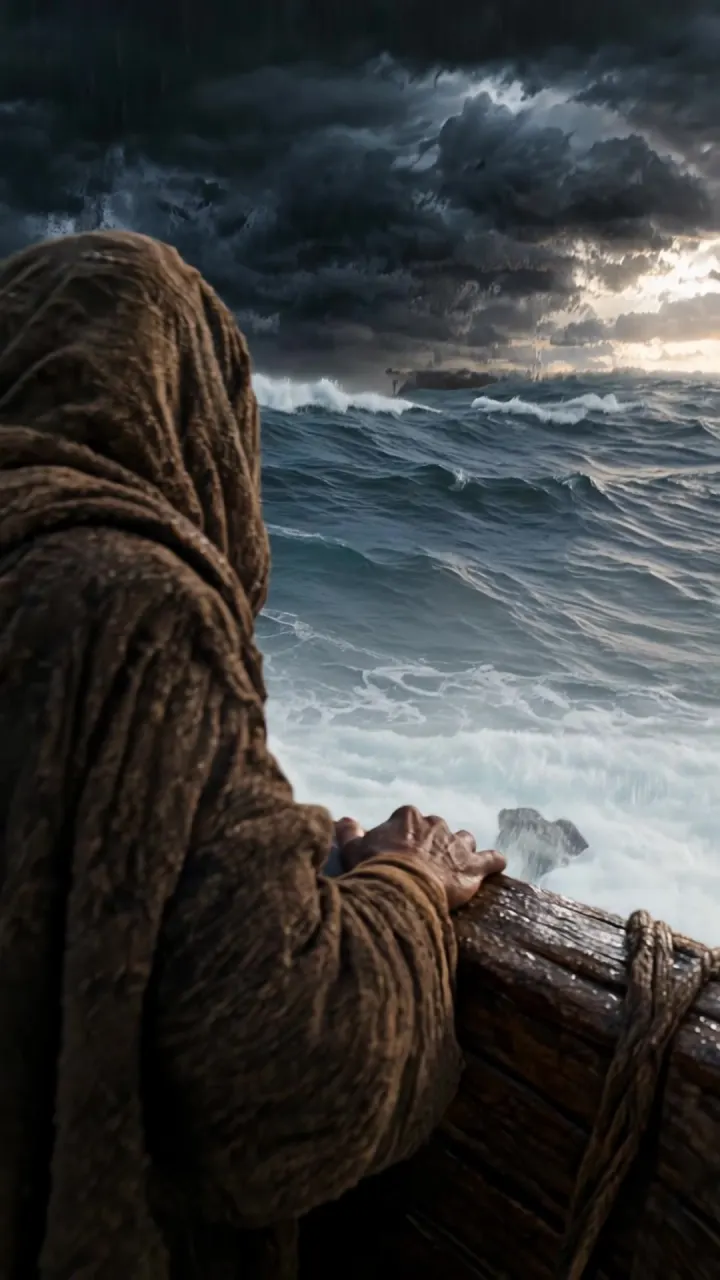
Prophet Hud said almost the same thing to the people of 'Ad. When they claimed that one of their gods had struck him with madness, he answered that he was free of everything they worshipped, told them to plot against him all together, and then gave the reason for his calm:
﴿إِنِّى تَوَكَّلْتُ عَلَى ٱللَّهِ رَبِّى وَرَبِّكُم ۚ مَّا مِن دَآبَّةٍ إِلَّا هُوَ ءَاخِذٌۢ بِنَاصِيَتِهَآ ۚ إِنَّ رَبِّى عَلَىٰ صِرَٰطٍ مُّسْتَقِيمٍ ٥٦﴾(56) Indeed, I have relied upon Allāh, my Lord and your Lord. There is no creature but that He holds it by its forelock [i.e., controls it]. Indeed, my Lord is on a path [that is] straight.
Al-Sa'di writes: "I have depended on Allah in my whole affair; He is the Creator of all, the One who manages us and you." No creature moves or rests except by His permission, "so if you all joined together to strike me and Allah did not give you power over me, you could not do it; and if He gave you power, it would be for a wisdom He intended." Ibn Kathir adds that this stand contains "a far-reaching proof and a decisive evidence" of the truth of what Hud brought, because idols that cannot hear or see or harm or help cannot be worthy of worship, while the One who holds every creature by its forelock is. When the messengers in Surah Ibrahim were threatened, they gave the same answer: “And why should we not rely upon Allāh while He has guided us to our [good] ways.”
(Quran 14:12) Al-Sa'di comments that the trust of the prophets was the highest kind of all, because it was trust in Allah for establishing His religion and guiding His servants, and he calls tawakkul "the key to every good."
Ibrahim: trust in the fire, in leaving home and in a dry valley
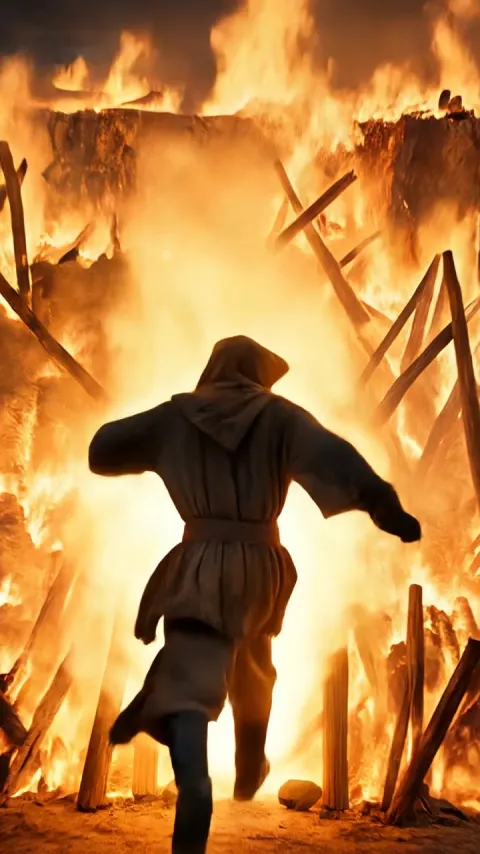
The tawakkul of Prophet Ibrahim (peace be upon him) appears at the three hardest points of his life. The first is the fire. His people built it and threw him in, and Allah said:
﴿قُلْنَا يَـٰنَارُ كُونِى بَرْدًا وَسَلَـٰمًا عَلَىٰٓ إِبْرَٰهِيمَ ٦٩﴾(69) We [i.e., Allāh] said, "O fire, be coolness and safety upon Abraham."
Al-Tafsir al-Muyassar explains that when their argument collapsed, they turned to force; they lit a great fire and threw him in, and Allah came to the aid of His messenger, so that no harm touched him. The Quran does not record a long speech from Ibrahim at that moment. It records a man who had already said everything he had to say to his people, and a Lord who answered for him. You can read the full account in the story of Prophet Ibrahim.
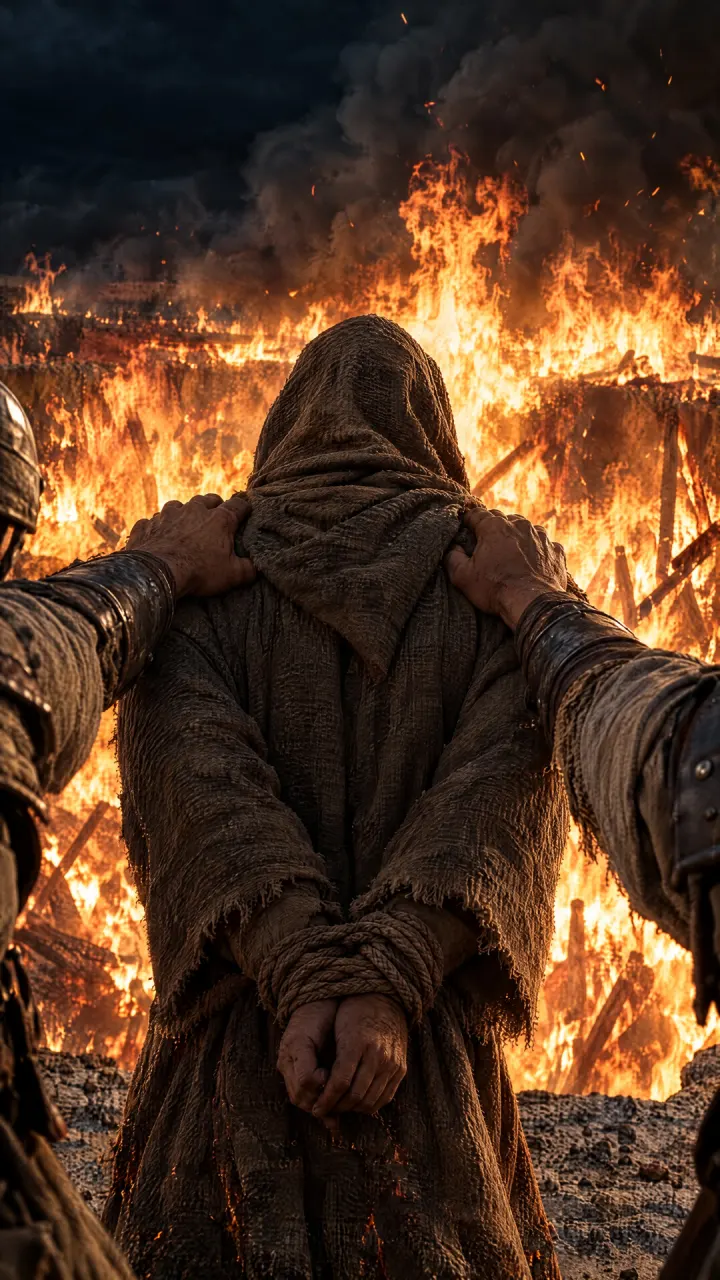
 Watch this story in QASASIbrahim and the FireThey threw him into the fire. It did not burn him.Open on Google Play →
The second is leaving. After the fire, Ibrahim said: “Indeed, I will go to [where I am ordered by] my Lord; He will guide me.”
(Quran 37:99) Al-Muyassar explains it as migrating from the land of his people to a place where he could worship his Lord, trusting that Allah would show him the good in his religion and his worldly life. Surah al-Mumtahanah later tells the believers that they have an excellent example in Ibrahim and those with him, who turned to Allah and said: “Our Lord, upon You we have relied, and to You we have returned, and to You is the destination.”
(Quran 60:4) Ibn Kathir explains these words as "we have relied on You in all affairs, we have surrendered our affairs to You and handed them over to You."
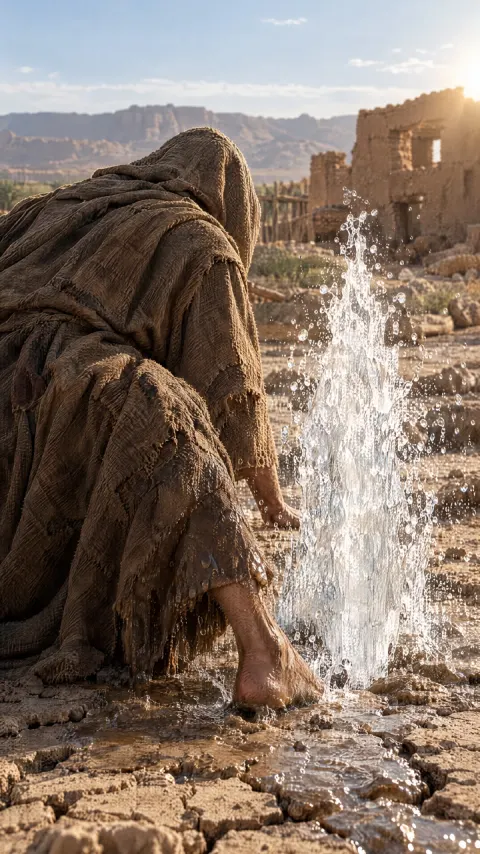
The third is a valley with no crops. Ibrahim settled part of his family near the Sacred House and prayed:
﴿رَّبَّنَآ إِنِّىٓ أَسْكَنتُ مِن ذُرِّيَّتِى بِوَادٍ غَيْرِ ذِى زَرْعٍ عِندَ بَيْتِكَ ٱلْمُحَرَّمِ رَبَّنَا لِيُقِيمُوا۟ ٱلصَّلَوٰةَ فَٱجْعَلْ أَفْـِٔدَةً مِّنَ ٱلنَّاسِ تَهْوِىٓ إِلَيْهِمْ وَٱرْزُقْهُم مِّنَ ٱلثَّمَرَٰتِ لَعَلَّهُمْ يَشْكُرُونَ ٣٧﴾(37) Our Lord, I have settled some of my descendants in an uncultivated valley near Your sacred House, our Lord, that they may establish prayer. So make hearts among the people incline toward them and provide for them from the fruits that they might be grateful.
Al-Sa'di explains that Ibrahim brought the mother of Isma'il (named Hajar in the tafsir) and her infant son to a place where there was no dweller, and that he made this du'a "humbly, relying on his Lord." Al-Muyassar adds that Ibrahim did this by the command of Allah and that Allah answered his du'a. Trust here meant obeying a command whose outcome he could not see, and then asking Allah to take care of what he had to leave behind. The Quran itself does not describe the family's days in the valley, and the article does not add to what it says.
Ya'qub: tawakkul that takes precautions
Prophet Ya'qub (peace be upon him) shows that trust in Allah and sensible precautions belong together. When his sons asked to take their youngest brother to Egypt, he remembered what had happened to Yusuf and said:
﴿قَالَ هَلْ ءَامَنُكُمْ عَلَيْهِ إِلَّا كَمَآ أَمِنتُكُمْ عَلَىٰٓ أَخِيهِ مِن قَبْلُ ۖ فَٱللَّهُ خَيْرٌ حَـٰفِظًا ۖ وَهُوَ أَرْحَمُ ٱلرَّٰحِمِينَ ٦٤﴾(64) He said, "Should I entrust you with him except [under coercion] as I entrusted you with his brother before? But Allāh is the best guardian, and He is the most merciful of the merciful."
Al-Sa'di explains his reasoning: "You made a stronger commitment than this to protect Yusuf and did not keep it, so I do not trust your commitment and your protection; I trust only in Allah." Then, when he finally let them go, he gave them a practical instruction and immediately corrected any misunderstanding of it:
﴿وَقَالَ يَـٰبَنِىَّ لَا تَدْخُلُوا۟ مِنۢ بَابٍ وَٰحِدٍ وَٱدْخُلُوا۟ مِنْ أَبْوَٰبٍ مُّتَفَرِّقَةٍ ۖ وَمَآ أُغْنِى عَنكُم مِّنَ ٱللَّهِ مِن شَىْءٍ ۖ إِنِ ٱلْحُكْمُ إِلَّا لِلَّهِ ۖ عَلَيْهِ تَوَكَّلْتُ ۖ وَعَلَيْهِ فَلْيَتَوَكَّلِ ٱلْمُتَوَكِّلُونَ ٦٧ وَلَمَّا دَخَلُوا۟ مِنْ حَيْثُ أَمَرَهُمْ أَبُوهُم مَّا كَانَ يُغْنِى عَنْهُم مِّنَ ٱللَّهِ مِن شَىْءٍ إِلَّا حَاجَةً فِى نَفْسِ يَعْقُوبَ قَضَىٰهَا ۚ وَإِنَّهُۥ لَذُو عِلْمٍ لِّمَا عَلَّمْنَـٰهُ وَلَـٰكِنَّ أَكْثَرَ ٱلنَّاسِ لَا يَعْلَمُونَ ٦٨﴾(67) And he said, "O my sons, do not enter from one gate but enter from different gates; and I cannot avail you against [the decree of] Allāh at all. The decision is only for Allāh; upon Him I have relied, and upon Him let those who would rely [indeed] rely." (68) And when they entered from where their father had ordered them, it did not avail them against Allāh at all except [it was] a need [i.e., concern] within the soul of Jacob, which he satisfied. And indeed, he was a possessor of knowledge because of what We had taught him, but most of the people do not know.
Ibn Kathir, al-Tabari and al-Sa'di all explain that Ya'qub feared the evil eye for his sons, because they were many and striking in appearance, and the sons of one man. Ibn Kathir states plainly that the evil eye is real. But then Ya'qub says that this precaution cannot avert anything that Allah has decreed. Al-Sa'di's comment is the heart of this article: the different gates were "a means," and when Ya'qub said "upon Him I have relied," he meant "I have depended on Allah, not on the means I instructed you to use." Al-Tabari puts the same idea in Ya'qub's own voice: "I have trusted Allah concerning you and concerning your safety until He returns you to me safe and sound, not your entering Egypt from different gates." And al-Sa'di closes with a rule: "through tawakkul every goal is reached and every fear is repelled."
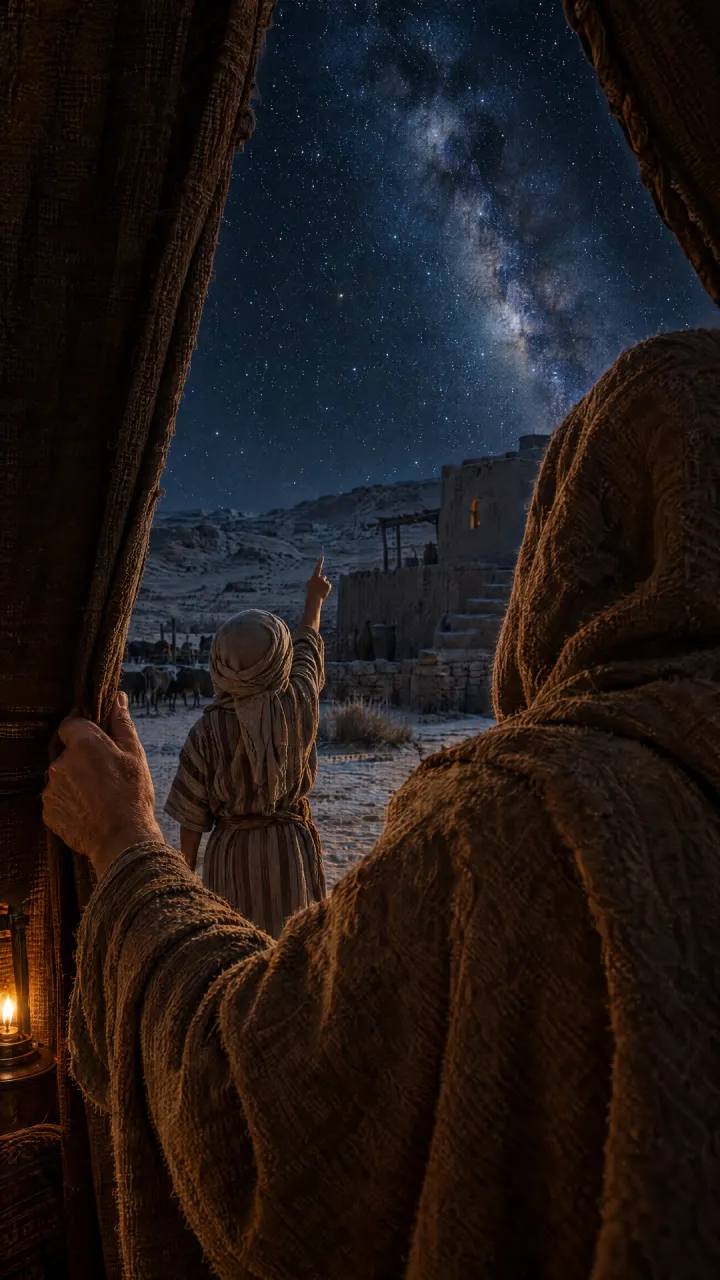
The next ayah confirms how little the precaution did on its own: when they entered as their father ordered, “it did not avail them against Allāh at all”
(Quran 12:68), except that it satisfied a concern in Ya'qub's heart. Al-Muyassar explains that it was compassion for his sons, and that Ya'qub had great knowledge of his religion, which Allah had taught him. Taking means is part of trust, not a rival to it, as long as the heart leans on Allah and not on the means. Ya'qub's earlier words about Yusuf, “so patience is most fitting”
(Quran 12:18), show how closely his trust and his patience were joined; we looked at that side of his story in why Yusuf's brothers threw him in the well.
The mother of Musa: trust against every instinct
The tawakkul of the mother of Musa is one of the most moving in the Quran, because Allah asked her to do the one thing a mother's instinct refuses. Pharaoh was killing the newborn boys of the Children of Israel, and Allah inspired her:
﴿وَأَوْحَيْنَآ إِلَىٰٓ أُمِّ مُوسَىٰٓ أَنْ أَرْضِعِيهِ ۖ فَإِذَا خِفْتِ عَلَيْهِ فَأَلْقِيهِ فِى ٱلْيَمِّ وَلَا تَخَافِى وَلَا تَحْزَنِىٓ ۖ إِنَّا رَآدُّوهُ إِلَيْكِ وَجَاعِلُوهُ مِنَ ٱلْمُرْسَلِينَ ٧﴾(7) And We inspired to the mother of Moses, "Suckle him; but when you fear for him, cast him into the river and do not fear and do not grieve. Indeed, We will return him to you and will make him [one] of the messengers."
Al-Sa'di explains that this came "at the time of that great fear in which the boys were being slaughtered." She was told to nurse him, and if she feared for him, to place him in the Nile in a closed chest, and not to fear or grieve, because Allah would return him to her and make him a messenger. He calls this "one of the greatest glad tidings," given to her first so that her heart would be calm. "She feared for him, did what she was commanded, and cast him into the river, and Allah carried him along." Notice the order in the ayah: nurse him, act when you fear, and do not grieve. The means come first and the heart's rest comes with them.
The Quran does not hide how hard it was. “And the heart of Moses' mother became empty [of all else].”
(Quran 28:10) Ibn Kathir explains, from the early commentators, that her heart became empty of every worldly matter except Musa, and that she almost revealed what had happened out of grief, “had We not bound fast her heart”
(Quran 28:10). Al-Sa'di adds a gentle human note: her grief was natural even though Allah had told her not to grieve, and Allah strengthened her so that she was patient; he draws the lesson that when a servant is struck by a calamity and stays steady, his faith grows.
Then the promise was kept. Allah returned the child to his mother to nurse him openly in Pharaoh's own house:
﴿فَرَدَدْنَـٰهُ إِلَىٰٓ أُمِّهِۦ كَىْ تَقَرَّ عَيْنُهَا وَلَا تَحْزَنَ وَلِتَعْلَمَ أَنَّ وَعْدَ ٱللَّهِ حَقٌّ وَلَـٰكِنَّ أَكْثَرَهُمْ لَا يَعْلَمُونَ ١٣﴾(13) So We restored him to his mother that she might be content and not grieve and that she would know that the promise of Allāh is true. But most of them [i.e., the people] do not know.
Al-Sa'di's comment on "that she would know that the promise of Allah is true" is a lesson about tawakkul for everyone: Allah showed her part of what He had promised with her own eyes so that her heart would be at rest and her faith would increase, "but most of them do not know": when the means look confused, their faith is shaken, because they do not know that Allah places hard trials and difficult obstacles in front of great matters and noble goals. Ibn Kathir adds that an affair can be hateful to the soul while its outcome is praiseworthy, and he recalls the ayah: perhaps you hate a thing and it is good for you.
Musa at the sea: "Indeed, with me is my Lord"
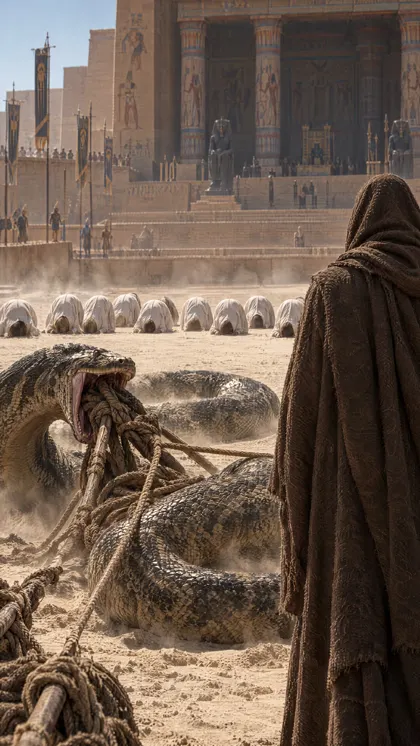
The tawakkul of Prophet Musa (peace be upon him) was tested first before Pharaoh and then at the sea. When Allah sent him and Harun to Pharaoh, they said that they feared he would hasten against them or transgress, and Allah answered: “Fear not. Indeed, I am with you both; I hear and I see.”
(Quran 20:46) Al-Muyassar explains: do not fear Pharaoh, for I am with you, hearing your words and seeing your actions. Fear was not denied; it was answered with the presence of Allah. Musa's du'a at that moment, "My Lord, expand for me my breast," is explained in Rabbi ishrah li sadri: the du'a of Musa.
Years later, Allah commanded Musa to leave Egypt by night with the believers and promised him: “you will not fear being overtaken [by Pharaoh] nor be afraid [of drowning]”
(Quran 20:77). Then Pharaoh pursued them with his army, and the two groups came within sight of each other:
﴿فَلَمَّا تَرَٰٓءَا ٱلْجَمْعَانِ قَالَ أَصْحَـٰبُ مُوسَىٰٓ إِنَّا لَمُدْرَكُونَ ٦١ قَالَ كَلَّآ ۖ إِنَّ مَعِىَ رَبِّى سَيَهْدِينِ ٦٢ فَأَوْحَيْنَآ إِلَىٰ مُوسَىٰٓ أَنِ ٱضْرِب بِّعَصَاكَ ٱلْبَحْرَ ۖ فَٱنفَلَقَ فَكَانَ كُلُّ فِرْقٍ كَٱلطَّوْدِ ٱلْعَظِيمِ ٦٣﴾(61) And when the two companies saw one another, the companions of Moses said, "Indeed, we are to be overtaken!" (62) [Moses] said, "No! Indeed, with me is my Lord; He will guide me." (63) Then We inspired to Moses, "Strike with your staff the sea," and it parted, and each portion was like a great towering mountain.
The companions of Musa looked at the sea in front of them and the army behind them and said: we are overtaken. Musa's answer is one word in Arabic, kalla: no. Al-Tabari explains it: "It is not as you say; you will not be overtaken. My Lord is with me and will guide me to a path by which I will escape from Pharaoh and his people." Ibn Kathir explains the certainty behind it: "Nothing you fear will reach you, for Allah is the One who commanded me to travel here with you, and He does not break His promise." Al-Sa'di calls it the words of a man "steadying them and informing them of the true promise of his Lord." Only then came the command to strike the sea, and only then did the sea part, each side like a towering mountain.
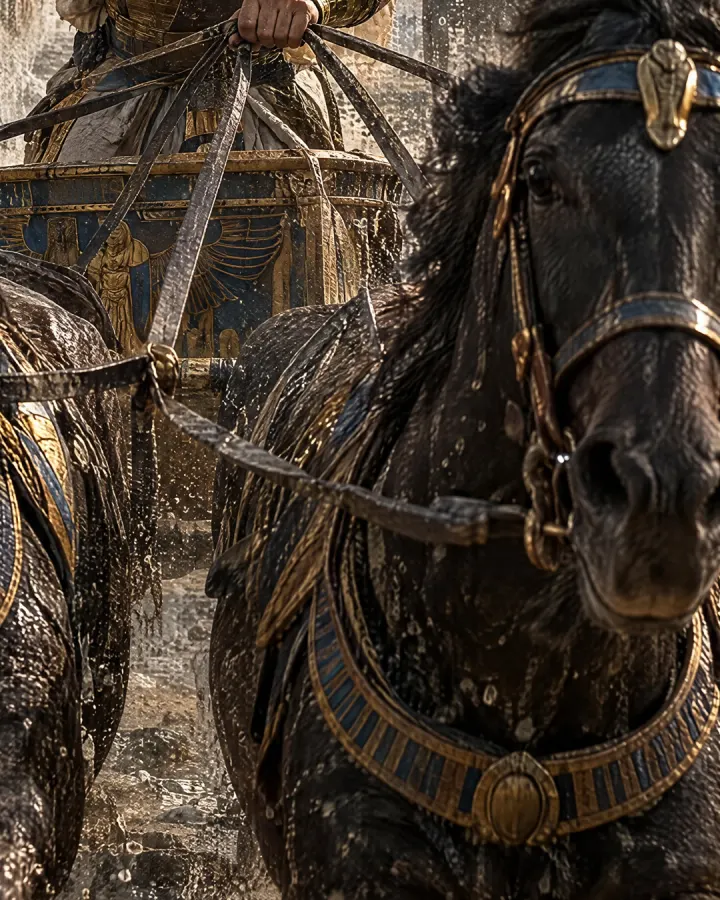
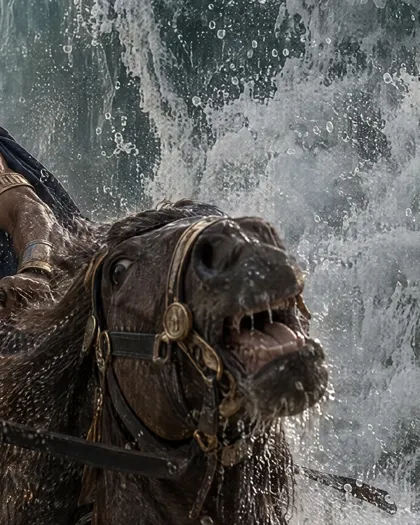 Watch this story in QASASPharaoh's Last WordsAt the moment of drowning he said: I believe.Open on Google Play →
This is the shape of tawakkul in one scene. Musa did not know how the way out would come; he knew Who had promised it. He said so out loud when everyone else was afraid, and when the command came he struck the sea with his staff. Trust before the means, obedience in the means, and the result from Allah. The whole account, including Pharaoh's last words, is in the story of Musa and Pharaoh.
Shu'ayb and the believers with him: "my success is only through Allah"
The tawakkul of Prophet Shu'ayb (peace be upon him) is the trust of a reformer who knows his limits. He told the people of Madyan that he wanted only to set things right as far as he was able, and then said:
﴿قَالَ يَـٰقَوْمِ أَرَءَيْتُمْ إِن كُنتُ عَلَىٰ بَيِّنَةٍ مِّن رَّبِّى وَرَزَقَنِى مِنْهُ رِزْقًا حَسَنًا ۚ وَمَآ أُرِيدُ أَنْ أُخَالِفَكُمْ إِلَىٰ مَآ أَنْهَىٰكُمْ عَنْهُ ۚ إِنْ أُرِيدُ إِلَّا ٱلْإِصْلَـٰحَ مَا ٱسْتَطَعْتُ ۚ وَمَا تَوْفِيقِىٓ إِلَّا بِٱللَّهِ ۚ عَلَيْهِ تَوَكَّلْتُ وَإِلَيْهِ أُنِيبُ ٨٨﴾(88) He said, "O my people, have you considered: if I am upon clear evidence from my Lord and He has provided me with a good provision from Him...? And I do not intend to differ from you in that which I have forbidden you; I only intend reform as much as I am able. And my success is not but through Allāh. Upon Him I have relied, and to Him I return.
Al-Muyassar explains: "my success, in reaching the truth and in trying to reform you, is only through Allah; on Allah alone I have relied, and to Him I return in repentance." This is tawakkul for anyone who works for good and cannot control the result: a parent, a teacher, a person trying to fix a wrong. You do what you can, and the outcome is Allah's. When his people threatened to expel him and the believers unless they returned to their religion, they answered together: “Upon Allāh we have relied.”
(Quran 7:89) Al-Sa'di explains these words as "we have depended on Allah to keep us firm on the straight path and protect us from every road to the Fire; for whoever relies on Allah, He suffices him and makes easy for him the affair of his religion and his worldly life."
Maryam and the palm tree: trust that still shakes the trunk
The story of Maryam (peace be upon her) answers the question people ask most about tawakkul: does trusting Allah mean doing nothing? Alone, in labour, far from people, she was driven to the trunk of a palm tree and wished she had died before this. Then she was called from below her:
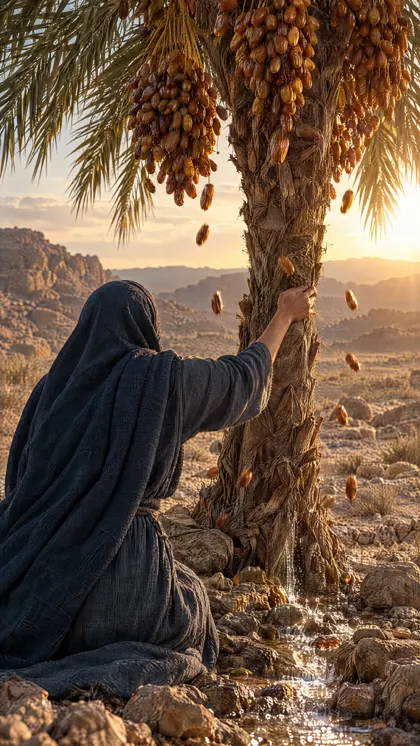
﴿فَنَادَىٰهَا مِن تَحْتِهَآ أَلَّا تَحْزَنِى قَدْ جَعَلَ رَبُّكِ تَحْتَكِ سَرِيًّا ٢٤ وَهُزِّىٓ إِلَيْكِ بِجِذْعِ ٱلنَّخْلَةِ تُسَـٰقِطْ عَلَيْكِ رُطَبًا جَنِيًّا ٢٥ فَكُلِى وَٱشْرَبِى وَقَرِّى عَيْنًا ۖ فَإِمَّا تَرَيِنَّ مِنَ ٱلْبَشَرِ أَحَدًا فَقُولِىٓ إِنِّى نَذَرْتُ لِلرَّحْمَـٰنِ صَوْمًا فَلَنْ أُكَلِّمَ ٱلْيَوْمَ إِنسِيًّا ٢٦﴾(24) But he called her from below her, "Do not grieve; your Lord has provided beneath you a stream. (25) And shake toward you the trunk of the palm tree; it will drop upon you ripe, fresh dates. (26) So eat and drink and be contented. And if you see from among humanity anyone, say, 'Indeed, I have vowed to the Most Merciful abstention, so I will not speak today to [any] man.'"
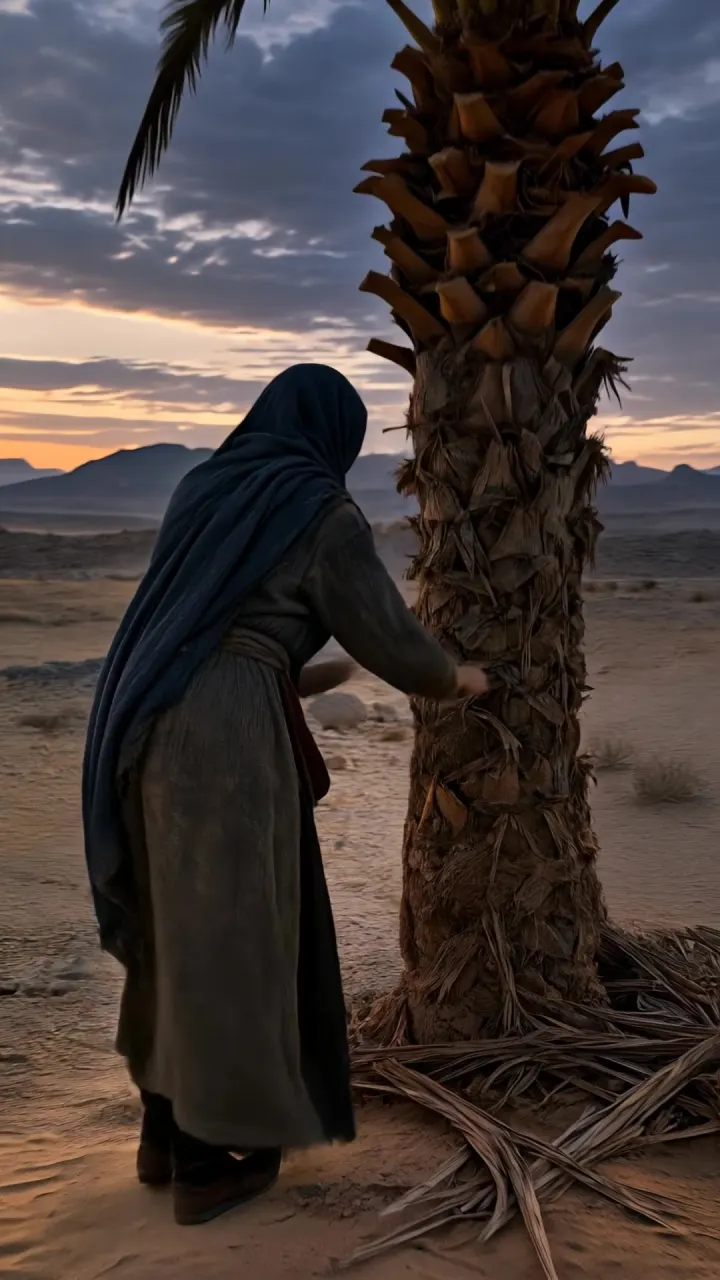
Allah had already placed a stream beneath her. He could have dropped the dates into her lap. Instead He told her: “And shake toward you the trunk of the palm tree”
(Quran 19:25). Al-Muyassar explains: move the trunk of the palm tree and it will drop on you fresh, ripe dates, picked that very hour. Ibn Kathir notes that the apparent meaning is that it was not the season for fruit, which is why Allah counts the dates as a favour He granted her. A woman who had just given birth could not shake a palm tree hard enough to make it fruit; the shaking was her means, and the dates were Allah's gift. This is exactly the balance that the stories above keep: Nuh built the Ark, Ya'qub chose the gates, the mother of Musa made the chest, Musa struck the sea, Maryam shook the trunk. None of them relied on the means, and none of them left the means out.
A small company at the river: trust when you are outnumbered
Tawakkul also appears in the story of the believers who crossed the river with Talut on the way to face Jalut, told in Surah al-Baqarah. When they saw how few they were, most of them said they had no strength that day. But those who were certain of meeting Allah said:
﴿فَلَمَّا فَصَلَ طَالُوتُ بِٱلْجُنُودِ قَالَ إِنَّ ٱللَّهَ مُبْتَلِيكُم بِنَهَرٍ فَمَن شَرِبَ مِنْهُ فَلَيْسَ مِنِّى وَمَن لَّمْ يَطْعَمْهُ فَإِنَّهُۥ مِنِّىٓ إِلَّا مَنِ ٱغْتَرَفَ غُرْفَةًۢ بِيَدِهِۦ ۚ فَشَرِبُوا۟ مِنْهُ إِلَّا قَلِيلًا مِّنْهُمْ ۚ فَلَمَّا جَاوَزَهُۥ هُوَ وَٱلَّذِينَ ءَامَنُوا۟ مَعَهُۥ قَالُوا۟ لَا طَاقَةَ لَنَا ٱلْيَوْمَ بِجَالُوتَ وَجُنُودِهِۦ ۚ قَالَ ٱلَّذِينَ يَظُنُّونَ أَنَّهُم مُّلَـٰقُوا۟ ٱللَّهِ كَم مِّن فِئَةٍ قَلِيلَةٍ غَلَبَتْ فِئَةً كَثِيرَةًۢ بِإِذْنِ ٱللَّهِ ۗ وَٱللَّهُ مَعَ ٱلصَّـٰبِرِينَ ٢٤٩﴾(249) And when Saul went forth with the soldiers, he said, "Indeed, Allāh will be testing you with a river. So whoever drinks from it is not of me, and whoever does not taste it is indeed of me, excepting one who takes [from it] in the hollow of his hand." But they drank from it, except a [very] few of them. Then when he had crossed it along with those who believed with him, they said, "There is no power for us today against Goliath and his soldiers." But those who were certain that they would meet Allāh said, "How many a small company has overcome a large company by permission of Allāh. And Allāh is with the patient."
Al-Sa'di explains that the departure of those who failed the test only "increased the steadfast ones in reliance on Allah, humility and freedom from their own power and strength," and he sums up the ayah in one line: "numbers do not help when Allah abandons, and fewness does not harm when He gives victory." The story continues with Dawud, which the QASAS app tells in its own episode.
Tawakkul in the stories of the prophets at a glance
| Who | The situation | What they did | What they said or were told | Ayat |
|---|---|---|---|---|
| Nuh | Centuries of rejection, open threats | Kept calling, built the Ark | "then I have relied upon Allah" | 10:71, 11:37 |
| Hud | 'Ad accused him of madness | Declared himself free of their idols | "I have relied upon Allah, my Lord and your Lord" | 11:54-56 |
| Ibrahim | The fire, then exile, then a dry valley | Obeyed and migrated, settled his family, made du'a | "I will go to my Lord; He will guide me" | 21:69, 37:99, 60:4, 14:37 |
| Ya'qub | Sending his youngest son to Egypt | Advised different gates | "upon Him I have relied" | 12:64, 12:67-68 |
| Mother of Musa | Pharaoh killing newborn boys | Nursed him, placed him in the river | "do not fear and do not grieve" | 28:7-13 |
| Musa | Sea ahead, Pharaoh behind | Said "No," then struck the sea | "with me is my Lord; He will guide me" | 20:77, 26:61-63 |
| Shu'ayb | Reforming Madyan under threat | Worked for reform as far as he could | "my success is not but through Allah" | 11:88, 7:89 |
| Maryam | Alone in childbirth | Shook the palm trunk | "shake toward you the trunk of the palm tree" | 19:23-26 |
| Talut's believers | Facing a larger army | Crossed the river and stood | "how many a small company has overcome a large company" | 2:249 |
Tawakkul and taking the means: what the stories settle
The stories of the prophets settle a question that is often argued about: trust in Allah does not cancel effort, and effort does not cancel trust. Every prophet in this article used the means available to him. Nuh built the Ark with his own hands while his people mocked him. Ya'qub chose the gates. The mother of Musa nursed her son and made the chest watertight. Musa struck the sea. Maryam shook the trunk. At the same time, every one of them said, in one way or another, that the result was not from the means.
Al-Sa'di's phrase on Ya'qub is the clearest summary: the different gates were "a means," and Ya'qub relied "on Allah, not on the means." The Arabic scholars call relying on means alone tawakul, which is a kind of laziness, and leaving the means out altogether a misunderstanding of tawakkul. The Quran corrects both at once. It also tells us where provision really comes from: “And how many a creature carries not its [own] provision. Allāh provides for it and for you.”
(Quran 29:60) Al-Sa'di explains that Allah has taken on the provision of all creatures, the strong and the weak, and that "you are all the dependants of Allah," Who sustains you as He created you.
Ibn Kathir, commenting on the ayah of Surah at-Talaq above, quotes one authentic hadith that fits this theme, recorded by Imam Ahmad and by al-Tirmidhi, who graded it hasan sahih: "If you ask, ask Allah; if you seek help, seek help from Allah. Know that if the whole nation gathered to benefit you, they could not benefit you except with something Allah has written for you, and if they gathered to harm you, they could not harm you except with something Allah has written against you. The pens have been lifted and the pages have dried." That is the heart that the prophets carried into every scene above.
Lessons from the tawakkul of the prophets
- Trust in Allah is part of faith, not an extra. The Quran describes the believers as those who rely on their Lord (8:2) and pairs worship with tawakkul again and again, as Ibn Kathir shows.
- Take the means, then lean on Allah. Ya'qub chose the gates and said
“upon Him I have relied”
(Quran 12:67); al-Sa'di explains that he relied on Allah, not on the means. - Fear is human; it is answered with Allah's presence. Musa and Harun feared Pharaoh, and Allah said
“Indeed, I am with you both; I hear and I see.”
(Quran 20:46) - Say it out loud when others panic. Musa's
“No! Indeed, with me is my Lord”
(Quran 26:62) steadied his people before the sea had moved. - Grief does not cancel trust. The heart of Musa's mother became empty, and Allah bound it fast; al-Sa'di says her steadiness increased her faith.
- Allah may delay the answer to the right time. Al-Sa'di's comment on 65:3: Allah has set a measure for everything.
- Hard trials come before great outcomes. Al-Sa'di on 28:13: most people's faith is shaken when the means look confused, because they do not know this.
- Numbers do not decide the outcome.
“How many a small company has overcome a large company by permission of Allāh.”
(Quran 2:249) - Trust frees you from fear of people. Nuh and Hud told their people to do their worst, because the One who holds every creature by its forelock was their protector.
- Trust in the work, not only in the result. Shu'ayb reformed
“as much as I am able”
(Quran 11:88) and said“And my success is not but through Allāh.”
(Quran 11:88)
Teaching tawakkul to children through these stories
Children understand trust in Allah best through a scene, not a definition. Three scenes in this article work well. The sea: ask your child what Musa's people saw (the sea and the army) and what Musa said ("No, my Lord is with me"), then what happened only after he obeyed and struck the sea. The baby in the river: ask what Allah told Musa's mother to do first (nurse him), then what He promised (He would bring him back), and how the promise came true. The palm tree: ask why Allah told Maryam to shake the tree if He could have sent the dates down Himself, and let the child find the answer: because we do our part and Allah does the rest.
Keep the moral in one sentence a child can repeat: do what you can, and trust Allah for what you cannot. Avoid adding details the Quran does not give, such as how far the sea was or how long the chest floated. The Quran keeps those out, and so should we. In the QASAS app, the stories of Musa and Pharaoh, Ibrahim and the fire, Nuh and the Ark and Maryam and the palm tree can each be watched as a short cinematic episode or read page by page with the ayat on screen, and each one ends with a short quiz that lets a child show what they understood. We also have a kids' version of the story of Prophet Nuh and the story of Prophet Yunus written at their level.
Read and watch these moments of trust in QASAS
Every ayah in this article can be opened in the QASAS mushaf with recitation, Saheeh International translation, word by word, and the tafsir of al-Muyassar and Ibn Kathir, so you can read the full passages around the moments quoted here. The stories of Musa, Ibrahim, Nuh, Yusuf and Maryam are in the app's Quran stories library, each one watchable or readable, with no account and no ads, in 11 languages. If the du'as in these scenes stayed with you, the du'as of the prophets in the Quran gathers them in one place, and the app's adhkar section and 3D tasbih are there for the daily practice that keeps a heart leaning on Allah. QASAS is free on Google Play for Android, with the iPhone version coming soon.
Frequently asked questions
What does tawakkul mean in the Quran?
Tawakkul means relying on Allah with the heart for what you need and what you fear, while using the means He has given you. Al-Sa'di explains the ayah “And whoever relies upon Allāh - then He is sufficient for him.”
(Quran 65:3) as depending on Allah, in religion and worldly life, to bring benefit and repel harm, and trusting Him to make it easy. Ibn Kathir shows that the Quran pairs worship and tawakkul again and again, so trust in Allah is part of faith itself.
Which verse says "whoever relies upon Allah, He is sufficient for him"?
It is Surah at-Talaq 65:3. Al-Tabari records a saying from the earliest generation that it is the greatest ayah in the Quran for handing one's affairs over to Allah. Al-Sa'di adds that Allah may delay the answer to the time that is right for it, which is why the same ayah ends by saying that Allah has set a measure for everything.
Does tawakkul mean not taking any means or effort?
No. Every prophet in the Quran used the means available to him and relied on Allah for the result. Ya'qub told his sons to enter Egypt through different gates, then said “upon Him I have relied”
(Quran 12:67); al-Sa'di explains that the gates were a means and that Ya'qub relied on Allah, not on the means. Maryam was told to shake the palm trunk even though Allah could have sent the dates down without it. Leaving the means out is not tawakkul, and relying on the means alone is not either.
What did Musa say when Pharaoh's army reached the sea?
He said: “No! Indeed, with me is my Lord; He will guide me.”
(Quran 26:62) His companions had said they would be overtaken. Al-Tabari explains Musa's words as: you will not be overtaken; my Lord will guide me to a path by which we escape. Only after this did Allah command him to strike the sea, and it parted.
Why did Ya'qub tell his sons to enter from different gates?
Ibn Kathir, al-Tabari and al-Sa'di explain that he feared the evil eye for them, because they were many, striking in appearance and the sons of one man. In the same ayah he said that this could not avert anything Allah had decreed, that the decision belongs to Allah alone, and that he relied on Him (12:67). The next ayah says the precaution did not avail them against Allah at all, except that it satisfied a concern in Ya'qub's heart.
How did the mother of Musa show trust in Allah?
Allah inspired her to nurse her baby and, when she feared for him, to place him in the river without fear or grief, promising to return him and make him a messenger (28:7). She did what she was commanded, and the Quran says her heart became empty and Allah bound it fast so that she stayed steady (28:10). Allah then returned him to her so that she would know that His promise is true (28:13).
How can I increase my tawakkul in Allah?
Start where the Quran starts: know Who you are trusting. The prophets' trust rested on knowing that Allah holds every creature by its forelock (11:56), that He provides for every creature (29:60) and that He does not break His promise. Then do the three things the stories show: take the means you have, say your trust out loud in du'a as Nuh, Shu'ayb and Ibrahim did, and accept Allah's timing, since He has set a measure for everything (65:3).
Is tawakkul the same as patience (sabr)?
They are different qualities that the Quran often names together, as in the description of those “Who have been patient and upon their Lord rely”
(Quran 29:59) and “those who endured patiently and upon their Lord relied”
(Quran 16:42). Patience is holding yourself steady under what Allah decrees and commands; tawakkul is leaning your heart on Him for what is to come. Ya'qub showed both at once: “so patience is most fitting”
(Quran 12:18) and “Allāh is the one sought for help”
(Quran 12:18).
Sources
Quran: 2:249, 7:89, 8:2, 10:71, 10:84, 11:37, 11:54-56, 11:88, 11:123, 12:18, 12:64, 12:67-68, 14:11-12, 14:37, 16:42, 16:99, 19:23-26, 20:45-46, 20:77, 21:69, 26:61-63, 28:7, 28:10, 28:13, 29:59-60, 37:99, 60:4, 65:2-3, 67:29, 73:9. Tafsir: al-Tafsir al-Muyassar on all of the above; Ibn Kathir on 10:84, 11:56, 12:67, 19:25, 26:62, 28:10, 28:13, 60:4, 65:3 (including the hadith recorded by Ahmad and al-Tirmidhi); al-Tabari on 12:67, 26:62, 65:3; al-Sa'di (Taysir al-Karim al-Rahman) on 2:249, 7:89, 10:71, 10:84, 11:56, 12:64, 12:67, 14:12, 14:37, 16:99, 26:62, 28:7, 28:10, 28:13, 29:60, 65:3.
Updated: · By QASAS