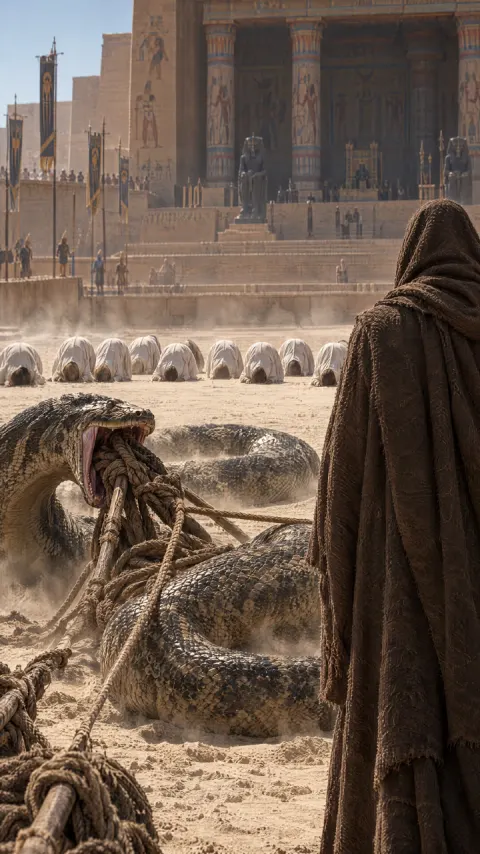
Why did Yusuf's brothers throw him in the well? It is one of the first questions people ask when they read Surah Yusuf, and the Quran answers it in the brothers' own words. They envied the love their father, Prophet Ya'qub (peace be upon him), had for Yusuf and his younger brother, and they convinced themselves that removing Yusuf was the way to win that love for themselves.
This article looks only at that question: what the brothers said, why the plan ended at a well and not at murder, whether the dream played a part, and what became of them at the end. Every quotation of the Quran comes directly from the text, and every explanation is credited to the tafsir it comes from: Ibn Kathir, al-Tabari, al-Sa'di and al-Tafsir al-Muyassar.
For the whole story from the dream to the reunion in Egypt, read our complete story of Prophet Yusuf.
The short answer: envy of their father's love
The brothers threw Yusuf (peace be upon him) into the well because they envied the special place he held in their father's heart. The Quran does not leave us to guess their motive. It records the conversation they had among themselves:
﴿إِذْ قَالُوا۟ لَيُوسُفُ وَأَخُوهُ أَحَبُّ إِلَىٰٓ أَبِينَا مِنَّا وَنَحْنُ عُصْبَةٌ إِنَّ أَبَانَا لَفِى ضَلَـٰلٍ مُّبِينٍ ٨ ٱقْتُلُوا۟ يُوسُفَ أَوِ ٱطْرَحُوهُ أَرْضًا يَخْلُ لَكُمْ وَجْهُ أَبِيكُمْ وَتَكُونُوا۟ مِنۢ بَعْدِهِۦ قَوْمًا صَـٰلِحِينَ ٩﴾(8) When they said, "Joseph and his brother are more beloved to our father than we, while we are a clan. Indeed, our father is in clear error. (9) Kill Joseph or cast him out to [another] land; the countenance [i.e., attention] of your father will [then] be only for you, and you will be after that a righteous people."
Three things stand out in these two ayat. First, the complaint: Yusuf and his brother are loved more than us. Second, the accusation against their father: he is “in clear error”
(Quran 12:8). Third, the goal: “the countenance [i.e., attention] of your father will [then] be only for you”
(Quran 12:9).
Ibn Kathir explains the goal plainly. In their eyes, Yusuf was the one competing with them for their father's love, so they wanted to remove him from their father's sight, by killing him or by abandoning him in some faraway land, so that their father would be theirs alone.
"More beloved to our father than we, while we are a clan"
The brothers measured love by numbers. They were a group, and Yusuf and his brother were two young boys, so in their logic the larger group deserved the larger share of their father's love.
The word they used is 'usbah, a clan or band. Al-Tabari explains that an 'usbah is a group of ten or more, and that the brothers were saying: we are many, men of number and strength. Al-Sa'di puts their argument this way: how can he prefer those two over us in love and tenderness when we are a whole group?
Who is "his brother"? Al-Sa'di and Ibn Kathir explain that it is Binyamin, Yusuf's full brother from the same mother. All of them were brothers through their father, but these two shared both parents.
What did they mean by "clear error"?
They did not mean error in religion. Al-Tabari explains that they meant their father was mistaken in what he did, preferring Yusuf and his brother over them in love, and that this mistake was obvious to anyone who looked. Al-Sa'di adds an important phrase: they called it a clear error because he preferred the two without any reason they could see and without anything they had witnessed.
That detail matters. The brothers judged by what they could see, and they could not see what their father saw. Ya'qub was a prophet, and the ayat just before tell us that Allah would choose Yusuf and complete His favour on him (12:6). Envy blinded them to that.
Did the brothers know about Yusuf's dream?
The Quran does not say that the brothers heard the dream. What it does say is that Ya'qub told Yusuf not to tell them, because he knew what envy could do.
﴿إِذْ قَالَ يُوسُفُ لِأَبِيهِ يَـٰٓأَبَتِ إِنِّى رَأَيْتُ أَحَدَ عَشَرَ كَوْكَبًا وَٱلشَّمْسَ وَٱلْقَمَرَ رَأَيْتُهُمْ لِى سَـٰجِدِينَ ٤ قَالَ يَـٰبُنَىَّ لَا تَقْصُصْ رُءْيَاكَ عَلَىٰٓ إِخْوَتِكَ فَيَكِيدُوا۟ لَكَ كَيْدًا ۖ إِنَّ ٱلشَّيْطَـٰنَ لِلْإِنسَـٰنِ عَدُوٌّ مُّبِينٌ ٥﴾(4) [Of these stories mention] when Joseph said to his father, "O my father, indeed I have seen [in a dream] eleven stars and the sun and the moon; I saw them prostrating to me." (5) He said, "O my son, do not relate your vision to your brothers or they will contrive against you a plan. Indeed Satan, to man, is a manifest enemy.
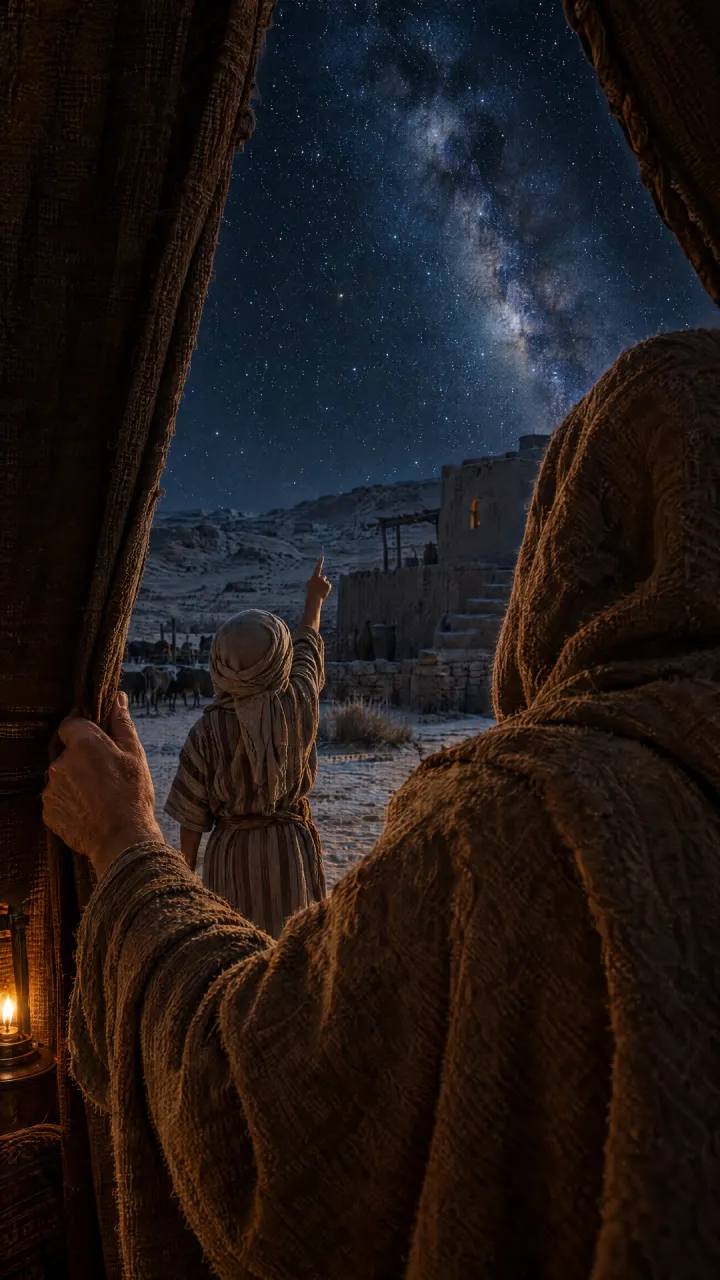
Ibn Kathir explains that the dream meant his brothers would one day honour him greatly, and that Ya'qub feared that if any of them heard it, they would envy him and plot against him. Al-Muyassar says the same: do not tell your brothers, or they will envy you, become your enemies and scheme to destroy you.
So the reason the brothers give in the Quran, in their own words, is their father's love, not the dream. Whether they ever learned of the dream is not stated, and it is not something we need to fill in. What we can say is that Ya'qub saw the danger before it happened, and that the plot he feared, “they will contrive against you a plan”
(Quran 12:5), is exactly what followed.
Notice also how Ya'qub ends his warning: “Indeed Satan, to man, is a manifest enemy.”
(Quran 12:5) He does not describe his sons as enemies. He names the real enemy, the one who plants envy between brothers.
Why the well and not murder?
The well was a compromise. The first idea was to kill Yusuf or to throw him out into a distant land, and then one of the brothers spoke up:
﴿قَالَ قَآئِلٌ مِّنْهُمْ لَا تَقْتُلُوا۟ يُوسُفَ وَأَلْقُوهُ فِى غَيَـٰبَتِ ٱلْجُبِّ يَلْتَقِطْهُ بَعْضُ ٱلسَّيَّارَةِ إِن كُنتُمْ فَـٰعِلِينَ ١٠﴾(10) Said a speaker among them, "Do not kill Joseph but throw him into the bottom of the well; some travelers will pick him up - if you would do [something]."
Al-Sa'di explains this brother's reasoning: killing Yusuf would be a far greater sin and far uglier, while their goal, getting him away from their father, could be reached without killing him. He calls this brother the one with the best opinion about Yusuf and the most dutiful among them in this matter, because some evil is lighter than other evil, and a lighter harm can be used to push away a heavier one.
That does not make the plan good. It was still a terrible wrong done to a child and to an old father. Ibn Kathir quotes the early historian Muhammad ibn Ishaq, who listed what they had gathered in one act: cutting family ties, disobeying their father, and having no mercy on a small, innocent boy or on an elderly father who loved him.
Ibn Kathir also points to something deeper. The brothers had no way to kill Yusuf, because Allah had a plan for him that had to come to pass: prophethood, and power in the land of Egypt. So Allah turned them away from murder through the words of this one brother.
Which brother suggested the well?
The Quran does not name him. It says only “Said a speaker among them”
(Quran 12:10). The tafsir books report different names for him from early scholars, and they do not agree, so no name is established. The lesson is in what he said, not in who he was.
What does "ghayabat al-jubb" mean?
Ghayabat al-jubb means the bottom or the hidden depths of the well. Ibn Kathir explains it as the lowest part of the well, and al-Muyassar as the inside of the well. The word ghayabah comes from a root meaning "to be hidden," because whatever falls there disappears from sight. The Quran does not tell us where this well was, and we do not need to know.
"Then you will be a righteous people"
The brothers planned their repentance before they committed the sin. This is one of the most striking details in their whole conversation: “you will be after that a righteous people”
(Quran 12:9).
Al-Tabari and al-Muyassar explain that they meant they would repent and ask Allah's forgiveness once Yusuf was gone. Ibn Kathir sums it up in one line: they intended repentance before the sin.
Al-Sa'di explains why people do this. Deciding to repent in advance makes the sin feel easier, softens how ugly it is, and lets each of them encourage the others. It is a trap every one of us can fall into: "I will do this one thing, and then I will put it right."
How the plan was carried out
The brothers turned their plan into action with smiles and promises. They asked their father “why do you not entrust us with Joseph”
(Quran 12:11), and asked him to send Yusuf with them the next day to enjoy himself and play. Ya'qub told them it saddened him to let him go, and that he feared a wolf would eat him while they were not paying attention.
Then they took him:
﴿فَلَمَّا ذَهَبُوا۟ بِهِۦ وَأَجْمَعُوٓا۟ أَن يَجْعَلُوهُ فِى غَيَـٰبَتِ ٱلْجُبِّ ۚ وَأَوْحَيْنَآ إِلَيْهِ لَتُنَبِّئَنَّهُم بِأَمْرِهِمْ هَـٰذَا وَهُمْ لَا يَشْعُرُونَ ١٥﴾(15) So when they took him [out] and agreed to put him into the bottom of the well... But We inspired to him, "You will surely inform them [someday] about this affair of theirs while they do not perceive [your identity]."

Ibn Kathir notes that the words "and agreed" show how serious their act was: all of them agreed together to put him at the bottom of the well. Al-Sa'di adds that they were able to do what they had agreed on, and they did it.
But the same ayah turns at once to Allah's care. Al-Sa'di explains that Allah was kind to Yusuf by inspiring him in that hard moment with good news: one day he would tell his brothers what they had done, which meant he would be saved, and Allah would bring him together with his family in honour.
That night the brothers came home weeping, with a story about racing and a wolf, and with Yusuf's shirt stained with “false blood”
(Quran 12:18). Ibn Kathir and al-Muyassar both point out what gave them away: the shirt was not torn. Ya'qub answered “Rather, your souls have enticed you to something, so patience is most fitting.”
(Quran 12:18)
 Watch this story in QASASYusuf in the WellHis brothers threw him into a well... then what happened?Open on Google Play →
Were Yusuf's brothers prophets?
Ibn Kathir states that there is no proof that the brothers of Yusuf were prophets, and that the context of the story points the other way. Some people claimed they received revelation later, but he says whoever claims that needs evidence.
He explains that the only ayah people cite is the mention of "the Descendants" (al-Asbat) in Surah al-Baqarah (2:136). Al-Asbat are the tribes of the Children of Israel, and the ayah tells us that Allah sent revelation to prophets from among those tribes, without saying that the brothers themselves were prophets.
How did the story end for the brothers?
It ended with confession and forgiveness. Years later, in Egypt, Yusuf revealed himself to them:
﴿قَالَ هَلْ عَلِمْتُم مَّا فَعَلْتُم بِيُوسُفَ وَأَخِيهِ إِذْ أَنتُمْ جَـٰهِلُونَ ٨٩ قَالُوٓا۟ أَءِنَّكَ لَأَنتَ يُوسُفُ ۖ قَالَ أَنَا۠ يُوسُفُ وَهَـٰذَآ أَخِى ۖ قَدْ مَنَّ ٱللَّهُ عَلَيْنَآ ۖ إِنَّهُۥ مَن يَتَّقِ وَيَصْبِرْ فَإِنَّ ٱللَّهَ لَا يُضِيعُ أَجْرَ ٱلْمُحْسِنِينَ ٩٠ قَالُوا۟ تَٱللَّهِ لَقَدْ ءَاثَرَكَ ٱللَّهُ عَلَيْنَا وَإِن كُنَّا لَخَـٰطِـِٔينَ ٩١ قَالَ لَا تَثْرِيبَ عَلَيْكُمُ ٱلْيَوْمَ ۖ يَغْفِرُ ٱللَّهُ لَكُمْ ۖ وَهُوَ أَرْحَمُ ٱلرَّٰحِمِينَ ٩٢﴾(89) He said, "Do you know what you did with Joseph and his brother when you were ignorant?" (90) They said, "Are you indeed Joseph?" He said, "I am Joseph, and this is my brother. Allāh has certainly favored us. Indeed, he who fears Allāh and is patient, then indeed, Allāh does not allow to be lost the reward of those who do good." (91) They said, "By Allāh, certainly has Allāh preferred you over us, and indeed, we have been sinners." (92) He said, "No blame will there be upon you today. May Allāh forgive you; and He is the most merciful of the merciful.
The brothers admitted it themselves: “indeed, we have been sinners”
(Quran 12:91). They also admitted what they had once refused to accept, that Allah had preferred Yusuf over them. And Yusuf answered with “No blame will there be upon you today.”
(Quran 12:92)
Al-Sa'di calls this the peak of generosity: Yusuf forgave them completely, without reminding them of the sin, and then prayed for Allah to forgive them and have mercy on them. Ibn Kathir explains "no blame" as: I will not reproach you, and I will not bring up your wrong against me after today.
Even when the whole family came to Egypt, Yusuf did not mention the well. He said Allah had been good to him “when He took me out of prison”
(Quran 12:100), and spoke of the time “after Satan had induced [estrangement] between me and my brothers”
(Quran 12:100). Al-Sa'di notes both details: he mentioned the prison and not the well so as not to remind his brothers of their sin, and he blamed Satan for coming between them, as if the fault had been on both sides, out of pure kindness to them.
The answer at a glance
| Question | Short answer | Ayat |
|---|---|---|
| Why did they throw him in the well? | Envy: their father loved Yusuf and his brother more | 12:8-9 |
| What did they want? | Their father's attention for themselves alone | 12:9 |
| Why the well and not murder? | One brother argued murder was worse; travellers could take him away | 12:10 |
| Did the dream cause it? | Ya'qub warned Yusuf not to tell them; the Quran gives their father's love as their reason | 12:5, 12:8 |
| What did Allah do? | Inspired Yusuf in the well that he would one day tell them | 12:15 |
| How did it end? | They confessed, and Yusuf forgave them | 12:91-92 |
Lessons from Yusuf in the well
- Envy grows step by step. It began with "he loves them more," moved to accusing a prophet of error, and ended at a well. Catching it early matters.
- Envy blinds. The brothers saw only a father's affection; they could not see that Allah had chosen Yusuf (12:6).
- Some blessings are better kept quiet. Ya'qub told Yusuf not to share his dream with those who might envy him (12:5).
- "I'll repent afterwards" is a trap. Planning repentance before a sin, as al-Sa'di explains, only makes the sin easier to commit.
- A lesser harm is still a harm. The brother who stopped the killing did better than the rest, but the well was still a grave wrong.
- Allah is closest in the darkest place. At the bottom of the well, Yusuf received a promise from his Lord (12:15).
- Forgiveness can be complete. Yusuf forgave without reproach and never again brought up the well (12:92, 12:100).
Read and watch it in QASAS
In QASAS, a free prophet stories app, the story "Yusuf in the Well" follows these ayat scene by scene: the brothers' whispered plan, the request to take him out, the bottom of the well, the inspiration in the dark and the shirt with false blood. You can watch it as a cinematic story or read it page by page, then answer a short quiz, which makes it one of the easiest Islamic stories for kids to revisit. When you want to go back to the source, the full mushaf with tafsir (al-Muyassar and Ibn Kathir) is one tap away.
Frequently asked questions
Why did Yusuf's brothers throw him in the well?
They threw him in the well out of envy. The Quran quotes them saying that Yusuf and his brother were more beloved to their father than they were, and that with Yusuf gone their father's attention would be theirs alone (12:8-9).
Why were Yusuf's brothers jealous of him?
They were jealous of their father's love for him. They argued that they were a strong group while Yusuf and his brother were two young boys, so their father was wrong, in their view, to love the two more (12:8). Al-Sa'di explains that they called it an error because they could see no reason for it.
Did Yusuf's brothers know about his dream?
The Quran does not say that they did. Ya'qub told Yusuf not to tell his brothers about the dream because they might plot against him (12:5), and the reason the brothers themselves give is their father's love (12:8).
Which brother suggested throwing Yusuf in the well?
The Quran does not name him; it says only "a speaker among them" (12:10). The tafsir books report different names without agreement, so no name is established. Al-Sa'di describes him as the one with the best opinion about Yusuf, because he prevented the killing.
What does "ghayabat al-jubb" mean?
It means the bottom or hidden depths of the well. Ibn Kathir explains it as the lowest part of the well, and al-Muyassar as the inside of the well.
Were the brothers of Prophet Yusuf prophets?
According to Ibn Kathir, there is no proof that they were prophets, and the context of the story points the other way. The mention of "al-Asbat" in 2:136 refers to prophets from the tribes of the Children of Israel in general.
Did Prophet Yusuf forgive his brothers?
Yes. When they admitted their sin, Yusuf said "No blame will there be upon you today. May Allah forgive you" (12:92). Al-Sa'di calls this complete forgiveness without reproach.
How old was Yusuf when he was thrown into the well?
The Quran does not give his age. It shows that he was young enough for his brothers to ask to take him out to "eat well and play" (12:12), and that is all we know with certainty.
Sources
Quran: Surah Yusuf 12:4-18, 12:89-92 and 12:100; Surah al-Baqarah 2:136. Tafsir: Ibn Kathir (Tafsir al-Quran al-'Azim), al-Tabari (Jami' al-Bayan), al-Sa'di (Taysir al-Karim al-Rahman) and al-Tafsir al-Muyassar (King Fahd Complex).
Updated: · By QASAS