The du'as of the prophets in the Quran are the shortest and most honest words in their stories. A prophet does not make a speech when he is in need. He turns to his Lord with one or two sentences, and Allah records those sentences in His Book so that every believer after him can say them too. That is why people search for the du'a of Yunus in the darkness, the du'a of Ayyub in illness, the du'a of Zakariya for a child, or the du'a of Adam for forgiveness: these are tested words.
This article gathers the prophetic du'as in one place, in the order the prophets came, and for each one gives the ayah, the moment it was said, and what the tafsir says it means. Every quotation of the Quran comes directly from the text. Every explanation is credited to its source: Ibn Kathir, al-Sa'di or al-Tafsir al-Muyassar. We have already explained one du'a of Musa word by word in Rabbi ishrah li sadri; here we look at the whole collection.
Why the Quran records the du'as of the prophets
The Quran records the du'as of the prophets because du'a is worship, and the prophets are the best teachers of worship. Allah commands it directly and promises an answer:
﴿وَقَالَ رَبُّكُمُ ٱدْعُونِىٓ أَسْتَجِبْ لَكُمْ ۚ إِنَّ ٱلَّذِينَ يَسْتَكْبِرُونَ عَنْ عِبَادَتِى سَيَدْخُلُونَ جَهَنَّمَ دَاخِرِينَ ٦٠﴾(60) And your Lord says, "Call upon Me; I will respond to you." Indeed, those who disdain My worship will enter Hell [rendered] contemptible.
Al-Tafsir al-Muyassar explains the command as: call upon Me alone and single Me out for worship, and I will answer you. Al-Sa'di, explaining the ayah “indeed I am near. I respond to the invocation of the supplicant when he calls upon Me”
(Quran 2:186), says that du'a is of two kinds, the du'a of worship and the du'a of asking, and that Allah's nearness to those who call on Him is a nearness of answering, help and success. He adds that the answer comes when the heart is present, the request is lawful, and nothing like unlawful earnings blocks it.
Surah al-Anbiya' gives the clearest reason the prophets were answered. After the du'as of Ayyub, Yunus and Zakariya, Allah says:
﴿فَٱسْتَجَبْنَا لَهُۥ وَوَهَبْنَا لَهُۥ يَحْيَىٰ وَأَصْلَحْنَا لَهُۥ زَوْجَهُۥٓ ۚ إِنَّهُمْ كَانُوا۟ يُسَـٰرِعُونَ فِى ٱلْخَيْرَٰتِ وَيَدْعُونَنَا رَغَبًا وَرَهَبًا ۖ وَكَانُوا۟ لَنَا خَـٰشِعِينَ ٩٠﴾(90) So We responded to him, and We gave to him John, and amended for him his wife. Indeed, they used to hasten to good deeds and supplicate Us in hope and fear, and they were to Us humbly submissive.
Ibn Kathir explains the three qualities: they hastened to acts of worship and obedience, they called on Allah hoping for His reward and fearing His punishment, and they humbled themselves before Him. Al-Sa'di adds that they were "hopeful and fearful, not heedless", and that their humility came from how well they knew their Lord. These three qualities are the key to every du'a below.
The du'a of Adam and Hawwa: forgiveness after the first mistake
The first du'a in human history is a du'a of repentance. After Adam and Hawwa (Eve), peace be upon them, ate from the tree, they did not argue or hide. They said:
﴿قَالَا رَبَّنَا ظَلَمْنَآ أَنفُسَنَا وَإِن لَّمْ تَغْفِرْ لَنَا وَتَرْحَمْنَا لَنَكُونَنَّ مِنَ ٱلْخَـٰسِرِينَ ٢٣﴾(23) They said, "Our Lord, we have wronged ourselves, and if You do not forgive us and have mercy upon us, we will surely be among the losers."
Al-Muyassar explains that these are the very words that Adam received from his Lord, mentioned in Surah al-Baqarah: “Then Adam received from his Lord [some] words, and He accepted his repentance”
(Quran 2:37). Ibn Kathir records the same view. The du'a has three parts that every later repentance follows: admitting the wrong ("we have wronged ourselves"), asking for forgiveness and mercy, and recognising that without Allah's mercy we are lost.
Notice what the du'a does not contain. There is no excuse and no blaming of anyone else. The Quran contrasts this with the behaviour of Iblis, who asked only for respite, as Ibn Kathir records. Adam asked for forgiveness and received it.
The du'as of Nuh: a caller who was overpowered
Prophet Nuh (peace be upon him) called his people for 950 years, as told in the story of Prophet Nuh. His du'as come from the end of that long road. The shortest one is in Surah al-Qamar:
﴿فَدَعَا رَبَّهُۥٓ أَنِّى مَغْلُوبٌ فَٱنتَصِرْ ١٠ فَفَتَحْنَآ أَبْوَٰبَ ٱلسَّمَآءِ بِمَآءٍ مُّنْهَمِرٍ ١١﴾(10) So he invoked his Lord, "Indeed, I am overpowered, so help." (11) Then We opened the gates of the heaven with rain pouring down
Al-Muyassar explains the words as: I am too weak to resist these people, so take vengeance for me with a punishment from You for their disbelief. The very next ayah is the answer: the gates of the heaven were opened with pouring rain. Allah mentions this answer again in Surah al-Anbiya': “so We responded to him and saved him and his family from the great affliction”
(Quran 21:76).
In Surah al-Shu'ara' the same du'a is longer: “My Lord, indeed my people have denied me.”
(Quran 26:117) followed by a request that Allah judge between him and them and save him and the believers with him (26:118). Al-Muyassar explains that he asked for a judgement that would destroy those who denied Allah's oneness and save the believers.
Nuh's last recorded du'a is one of the most loved in the Quran, because it is for others:
﴿رَّبِّ ٱغْفِرْ لِى وَلِوَٰلِدَىَّ وَلِمَن دَخَلَ بَيْتِىَ مُؤْمِنًا وَلِلْمُؤْمِنِينَ وَٱلْمُؤْمِنَـٰتِ وَلَا تَزِدِ ٱلظَّـٰلِمِينَ إِلَّا تَبَارًۢا ٢٨﴾(28) My Lord, forgive me and my parents and whoever enters my house a believer and the believing men and believing women. And do not increase the wrongdoers except in destruction."
Ibn Kathir explains "whoever enters my house a believer" according to its apparent meaning, every believer who entered his home, and says that "the believing men and believing women" includes those of them who were living and those who were dead. He adds that it is recommended to make du'a in this way, following the example of Nuh.

Nuh also teaches the etiquette of du'a. When he asked about his son, Allah corrected him, and he immediately said: “My Lord, I seek refuge in You from asking that of which I have no knowledge.”
(Quran 11:47) Al-Muyassar explains: I seek protection with You from asking for what I do not know, and if You do not forgive me and have mercy on me I will be among the losers. A prophet asked, was corrected, and turned the correction itself into a du'a.
The du'as of Ibrahim and Isma'il: acceptance, prayer and a righteous child
Prophet Ibrahim (peace be upon him) is among the prophets with the most du'as recorded in the Quran. His full story covers the idols and the fire; here we look only at what he asked for. The best known is the du'a he made with his son Isma'il while they raised the foundations of the Ka'bah:
﴿وَإِذْ يَرْفَعُ إِبْرَٰهِـۧمُ ٱلْقَوَاعِدَ مِنَ ٱلْبَيْتِ وَإِسْمَـٰعِيلُ رَبَّنَا تَقَبَّلْ مِنَّآ ۖ إِنَّكَ أَنتَ ٱلسَّمِيعُ ٱلْعَلِيمُ ١٢٧ رَبَّنَا وَٱجْعَلْنَا مُسْلِمَيْنِ لَكَ وَمِن ذُرِّيَّتِنَآ أُمَّةً مُّسْلِمَةً لَّكَ وَأَرِنَا مَنَاسِكَنَا وَتُبْ عَلَيْنَآ ۖ إِنَّكَ أَنتَ ٱلتَّوَّابُ ٱلرَّحِيمُ ١٢٨﴾(127) And [mention] when Abraham was raising the foundations of the House and [with him] Ishmael, [saying], "Our Lord, accept [this] from us. Indeed, You are the Hearing, the Knowing. (128) Our Lord, and make us Muslims [in submission] to You and from our descendants a Muslim nation [in submission] to You. And show us our rites [of worship] and accept our repentance. Indeed, You are the Accepting of Repentance, the Merciful.
Ibn Kathir draws attention to something easy to miss: Ibrahim and Isma'il were doing a great good deed, and still they asked Allah to accept it. He says this is the behaviour of the sincere believers, who fear that their deeds may not be accepted. Al-Muyassar explains "accept from us" as: accept our righteous deeds and our du'a, for You hear the words of Your servants and know their states.
In Surah Ibrahim he asks for himself and his descendants:
﴿رَبِّ ٱجْعَلْنِى مُقِيمَ ٱلصَّلَوٰةِ وَمِن ذُرِّيَّتِى ۚ رَبَّنَا وَتَقَبَّلْ دُعَآءِ ٤٠ رَبَّنَا ٱغْفِرْ لِى وَلِوَٰلِدَىَّ وَلِلْمُؤْمِنِينَ يَوْمَ يَقُومُ ٱلْحِسَابُ ٤١﴾(40) My Lord, make me an establisher of prayer, and [many] from my descendants. Our Lord, and accept my supplication. (41) Our Lord, forgive me and my parents and the believers the Day the account is established."
Al-Muyassar explains the first request as: make me constant in performing the prayer in its most complete form, and make some of my descendants guard it. Al-Sa'di notes that here Ibrahim turned from asking for the city of Makkah to asking for himself and his offspring. The du'a for his parents, al-Muyassar adds, was made before it became clear to him that his father was an enemy of Allah.
Two shorter du'as complete the picture. When he left his people he said: “My Lord, grant me [a child] from among the righteous.”
(Quran 37:100) and the next ayah answers: “So We gave him good tidings of a forbearing boy.”
(Quran 37:101) And in Surah al-Shu'ara' he asked: “My Lord, grant me authority and join me with the righteous.”
(Quran 26:83) together with a good mention among later generations and a place among the inheritors of the Garden (26:84-85). Al-Muyassar explains "authority" here as knowledge and understanding.
The du'as of Ya'qub and Yusuf: complaint to Allah alone
The story of Prophet Yusuf (peace be upon him), told in full in our story of Prophet Yusuf, contains three du'as from two prophets. The first is Yusuf's, when the women of the city tried to tempt him:
﴿قَالَ رَبِّ ٱلسِّجْنُ أَحَبُّ إِلَىَّ مِمَّا يَدْعُونَنِىٓ إِلَيْهِ ۖ وَإِلَّا تَصْرِفْ عَنِّى كَيْدَهُنَّ أَصْبُ إِلَيْهِنَّ وَأَكُن مِّنَ ٱلْجَـٰهِلِينَ ٣٣﴾(33) He said, "My Lord, prison is more to my liking than that to which they invite me. And if You do not avert from me their plan, I might incline toward them and [thus] be of the ignorant."
Al-Muyassar explains that Yusuf said this seeking refuge from their evil and their plotting: prison is dearer to me than the sin they call me to, and if You do not turn their plot away from me I will incline toward them. A young man alone in a foreign land asked Allah to protect him from himself, and the next ayah says his Lord responded.
The second is not a request but a complaint, and it teaches where complaints belong. When his sons told Ya'qub (peace be upon him) that he would waste away from grief, he said:
﴿قَالَ إِنَّمَآ أَشْكُوا۟ بَثِّى وَحُزْنِىٓ إِلَى ٱللَّهِ وَأَعْلَمُ مِنَ ٱللَّهِ مَا لَا تَعْلَمُونَ ٨٦﴾(86) He said, "I only complain of my suffering and my grief to Allāh, and I know from Allāh that which you do not know.
Ibn Kathir explains that Ya'qub kept his sorrow private and did not complain to any created being; his complaint was to Allah alone, and he expected every kind of good from Him. In the next ayah he tells his sons: “despair not of relief from Allāh”
(Quran 12:87). Al-Muyassar explains: do not cut off your hope in Allah's mercy, for no one does that except those who deny His power.
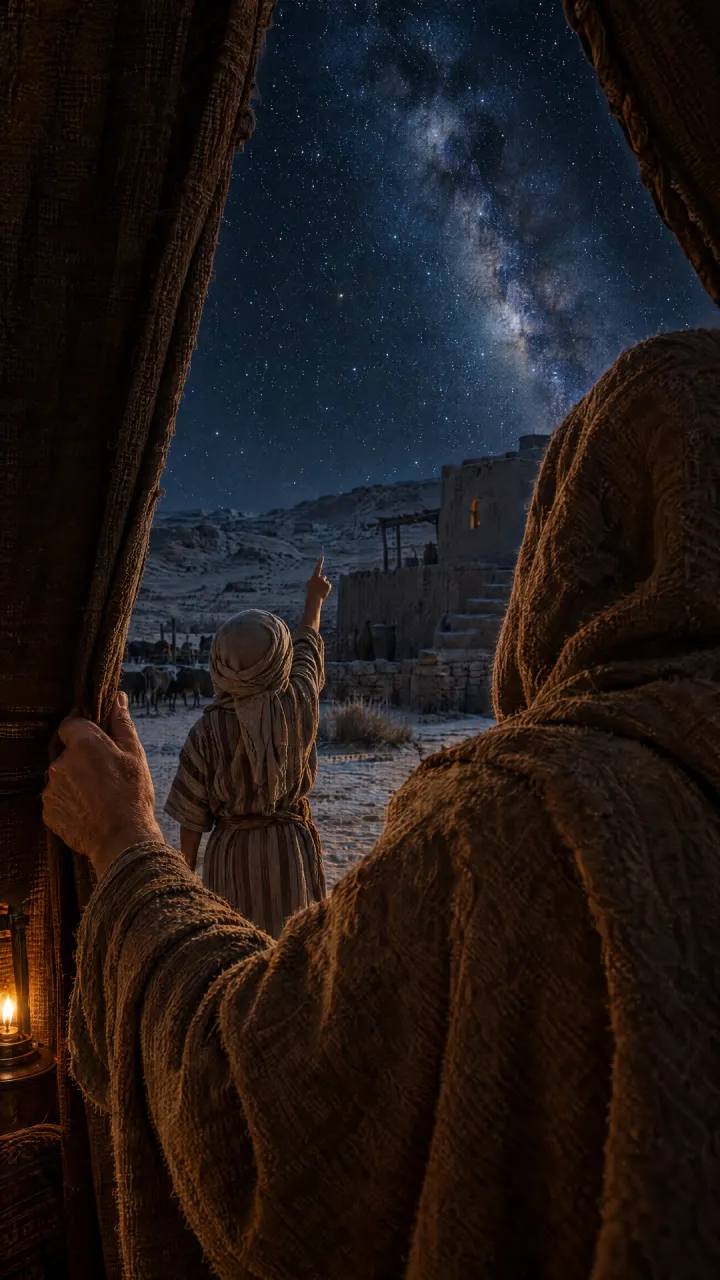
The third du'a closes the whole surah. After Yusuf was reunited with his parents and brothers, he said:
﴿۞ رَبِّ قَدْ ءَاتَيْتَنِى مِنَ ٱلْمُلْكِ وَعَلَّمْتَنِى مِن تَأْوِيلِ ٱلْأَحَادِيثِ ۚ فَاطِرَ ٱلسَّمَـٰوَٰتِ وَٱلْأَرْضِ أَنتَ وَلِىِّۦ فِى ٱلدُّنْيَا وَٱلْـَٔاخِرَةِ ۖ تَوَفَّنِى مُسْلِمًا وَأَلْحِقْنِى بِٱلصَّـٰلِحِينَ ١٠١﴾(101) My Lord, You have given me [something] of sovereignty and taught me of the interpretation of dreams. Creator of the heavens and earth, You are my protector in this world and the Hereafter. Cause me to die a Muslim and join me with the righteous."
Ibn Kathir calls this "the invocation of Yusuf, the truthful one". Yusuf asked that the favour Allah completed on him in this world should continue in the Hereafter: that he should die a Muslim and be joined with the righteous. Al-Sa'di explains "cause me to die a Muslim" as: keep Islam firm in me and make me steadfast on it until You take me, and he stresses that this was not a request to hasten death. Al-Muyassar explains "the righteous" as the righteous prophets and the chosen, pure servants.
The du'as of Musa: forgiveness, need and an expanded breast
Prophet Musa (peace be upon him) is among the prophets with the most du'as recorded in the Quran. Three of them mark three stages of his life. The first came after he struck a man in Egypt and the man died:
﴿قَالَ رَبِّ إِنِّى ظَلَمْتُ نَفْسِى فَٱغْفِرْ لِى فَغَفَرَ لَهُۥٓ ۚ إِنَّهُۥ هُوَ ٱلْغَفُورُ ٱلرَّحِيمُ ١٦﴾(16) He said, "My Lord, indeed I have wronged myself, so forgive me," and He forgave him. Indeed, He is the Forgiving, the Merciful.
The ayah contains the du'a and the answer in one line. Al-Muyassar explains: forgive me that sin, and Allah forgave him, for He forgives the sins of His servants and is merciful to them. Musa did not justify what happened. He admitted it and asked.
The second came in Madyan, after he fled Egypt and watered the flocks of two women with no reward in mind:
﴿فَسَقَىٰ لَهُمَا ثُمَّ تَوَلَّىٰٓ إِلَى ٱلظِّلِّ فَقَالَ رَبِّ إِنِّى لِمَآ أَنزَلْتَ إِلَىَّ مِنْ خَيْرٍ فَقِيرٌ ٢٤﴾(24) So he watered [their flocks] for them; then he went back to the shade and said, "My Lord, indeed I am, for whatever good You would send down to me, in need."
Ibn Kathir notes that Musa helped the two women out of pity, then withdrew to the shade and prayed. Al-Muyassar explains the du'a as: I am in need of whatever good You send me, such as food, and adds that hunger had become severe for him. He did not name what he wanted. He described his need and left the gift to Allah. The next ayah shows one of the women returning with an invitation from her father.
The third is the du'a he made when Allah sent him to Pharaoh: “My Lord, expand [i.e., relax] for me my breast [with assurance]”
(Quran 20:25), followed by the request to ease his task and untie the knot from his tongue (20:26-28). We have explained this du'a phrase by phrase in Rabbi ishrah li sadri: the du'a of Musa, and the story around it in Musa and Pharaoh.
Musa also made du'a for his brother. After the incident of the calf, when he understood Harun's excuse, he said: “My Lord, forgive me and my brother and admit us into Your mercy, for You are the most merciful of the merciful.”
(Quran 7:151) Al-Muyassar explains: forgive me my anger, and forgive my brother what passed between him and the Children of Israel.
The du'a of Ayyub: adversity has touched me
The du'a of Prophet Ayyub (peace be upon him) is the model for anyone who is ill or has lost what they loved. After long years of patience, the Quran says:
﴿۞ وَأَيُّوبَ إِذْ نَادَىٰ رَبَّهُۥٓ أَنِّى مَسَّنِىَ ٱلضُّرُّ وَأَنتَ أَرْحَمُ ٱلرَّٰحِمِينَ ٨٣ فَٱسْتَجَبْنَا لَهُۥ فَكَشَفْنَا مَا بِهِۦ مِن ضُرٍّ ۖ وَءَاتَيْنَـٰهُ أَهْلَهُۥ وَمِثْلَهُم مَّعَهُمْ رَحْمَةً مِّنْ عِندِنَا وَذِكْرَىٰ لِلْعَـٰبِدِينَ ٨٤﴾(83) And [mention] Job, when he called to his Lord, "Indeed, adversity has touched me, and You are the most merciful of the merciful." (84) So We responded to him and removed what afflicted him of adversity. And We gave him [back] his family and the like thereof with them as mercy from Us and a reminder for the worshippers [of Allāh].
Al-Muyassar explains that Allah tested Ayyub with a severe illness in his body and with the loss of his family, his wealth and his children, and that he was patient and hoped for reward, then called on his Lord: adversity has touched me, and You are the most merciful of the merciful, so remove it from me. Al-Sa'di points out that Ayyub did not demand anything. He "sought a means to Allah by informing Him of his own state", that his harm had reached its limit, and then he ended with the name of Allah's mercy.
Ibn Kathir explains the answer: Allah removed his affliction and gave him back his family "and the like thereof", as a mercy from Him, and made Ayyub "a reminder for all those who worship Us", so that anyone who is tested does not think Allah has abandoned him, and takes Ayyub as an example of patience. Al-Muyassar says the same: he became a model for every patient person who hopes for his Lord's mercy.
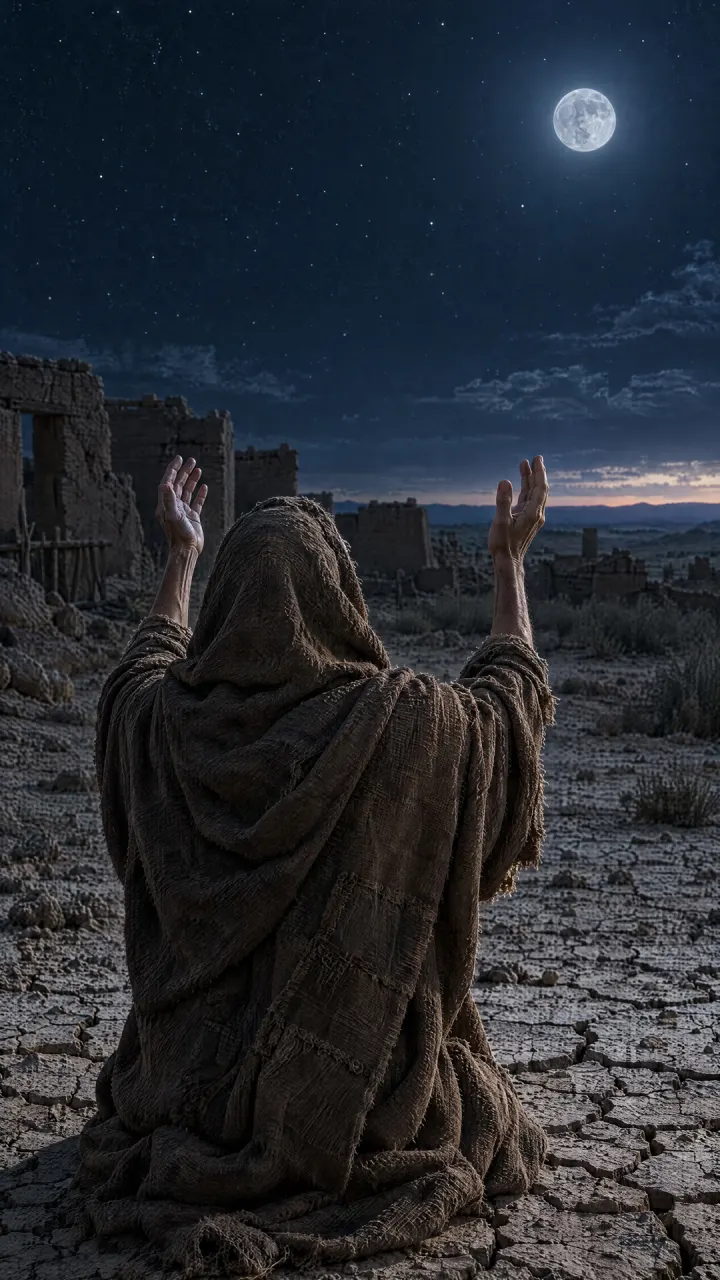
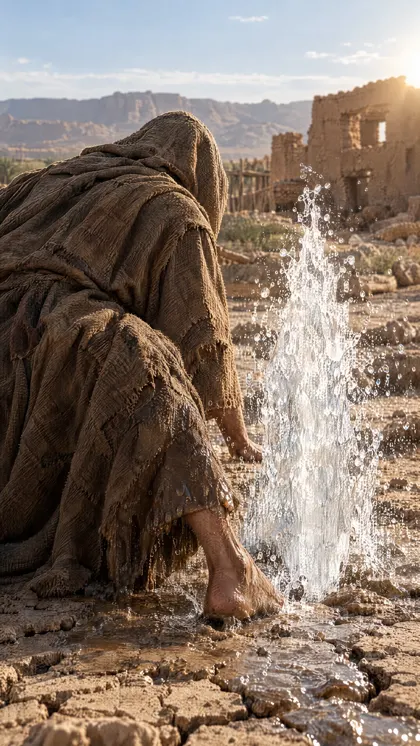 Watch this story in QASASAyyub and the SpringYears of patience, then one strike of his foot.Open on Google Play →
Notice the order of the du'a: first the state ("adversity has touched me"), then the praise ("You are the most merciful of the merciful"), and no demand. This is the same shape as the du'a of Musa in Madyan. For the full story and the spring that burst from the ground, see patience in the stories of the prophets.
The du'a of Yunus: the words in the darkness
The du'a of Prophet Yunus (peace be upon him) is one of the most searched prophetic du'as, and the Quran gives both the du'a and the promise that follows it:
﴿وَذَا ٱلنُّونِ إِذ ذَّهَبَ مُغَـٰضِبًا فَظَنَّ أَن لَّن نَّقْدِرَ عَلَيْهِ فَنَادَىٰ فِى ٱلظُّلُمَـٰتِ أَن لَّآ إِلَـٰهَ إِلَّآ أَنتَ سُبْحَـٰنَكَ إِنِّى كُنتُ مِنَ ٱلظَّـٰلِمِينَ ٨٧ فَٱسْتَجَبْنَا لَهُۥ وَنَجَّيْنَـٰهُ مِنَ ٱلْغَمِّ ۚ وَكَذَٰلِكَ نُـۨجِى ٱلْمُؤْمِنِينَ ٨٨﴾(87) And [mention] the man of the fish [i.e., Jonah], when he went off in anger and thought that We would not decree [anything] upon him. And he called out within the darknesses, "There is no deity except You; exalted are You. Indeed, I have been of the wrongdoers." (88) So We responded to him and saved him from the distress. And thus do We save the believers.
Al-Muyassar explains the setting: Yunus left his people in anger before Allah commanded him to, thought that Allah would not restrict him for this, and was swallowed by the fish; then he called on his Lord in the darkness of the night, the sea and the belly of the fish, repenting and admitting his wrong. Al-Sa'di explains the du'a itself: Yunus "affirmed for Allah the perfection of divinity, declared Him free of every defect, and confessed his own wrong". Three things in one sentence: tawhid, tasbih and confession.
The next ayah is the reason this du'a matters to everyone. Al-Sa'di explains “And thus do We save the believers.”
(Quran 21:88) as "a promise and glad tidings to every believer who falls into hardship and distress, that Allah will save him from it". Al-Muyassar explains "the believers" as those who believe and act by Allah's law.

 Watch this story in QASASYunus and the WhaleWhy did the whale swallow Prophet Yunus but not harm him?Open on Google Play →
You can read the whole story, including what happened on the shore, in the story of Prophet Yunus and the whale.
The du'as of Zakariya: a child in old age
Prophet Zakariya (peace be upon him) asked for a child when he was old and his wife was barren, and the Quran records his du'a three times. In Surah Al 'Imran it comes right after he saw how Allah provided for Maryam:
﴿هُنَالِكَ دَعَا زَكَرِيَّا رَبَّهُۥ ۖ قَالَ رَبِّ هَبْ لِى مِن لَّدُنكَ ذُرِّيَّةً طَيِّبَةً ۖ إِنَّكَ سَمِيعُ ٱلدُّعَآءِ ٣٨﴾(38) At that, Zechariah called upon his Lord, saying, "My Lord, grant me from Yourself a good offspring. Indeed, You are the Hearer of supplication."
Ibn Kathir explains that when Zakariya saw Allah's provision for Maryam, he was eager to have a child of his own, and he explains "good offspring" as a righteous child. Al-Muyassar adds that he asked for a righteous, blessed child, "for You hear the du'a of whoever calls on You". The very next ayah has the angels calling him with good news of Yahya while he stood praying.
In Surah Maryam the du'a is longer and more personal. He begins by describing his weakness: “My Lord, indeed my bones have weakened, and my head has filled with white, and never have I been in my supplication to You, my Lord, unhappy”
(Quran 19:4). Al-Muyassar explains the last phrase as: I was never before deprived of an answer to my du'a. He then explains why he wants an heir (19:5-6): not for himself, but so that someone would carry the religion after him. Al-Muyassar explains "who will inherit me" as inheriting prophethood and the call to Allah.
In Surah al-Anbiya' the du'a is a single line: “My Lord, do not leave me alone [with no heir], while You are the best of inheritors.”
(Quran 21:89) Ibn Kathir explains that Zakariya called on his Lord in private, and that the closing words are praise fitted to the request. The answer in 21:90 says Allah gave him Yahya and "amended for him his wife"; Ibn Kathir explains that she had been barren, so the answer was a healing as well as a gift.
The du'as of Sulayman: gratitude and a kingdom
Prophet Sulayman (peace be upon him) made a du'a in a moment of joy, which is rarer in the Quran than du'a in distress. When he heard an ant warn her people to enter their homes before his army crushed them, he smiled and said:
﴿فَتَبَسَّمَ ضَاحِكًا مِّن قَوْلِهَا وَقَالَ رَبِّ أَوْزِعْنِىٓ أَنْ أَشْكُرَ نِعْمَتَكَ ٱلَّتِىٓ أَنْعَمْتَ عَلَىَّ وَعَلَىٰ وَٰلِدَىَّ وَأَنْ أَعْمَلَ صَـٰلِحًا تَرْضَىٰهُ وَأَدْخِلْنِى بِرَحْمَتِكَ فِى عِبَادِكَ ٱلصَّـٰلِحِينَ ١٩﴾(19) So [Solomon] smiled, amused at her speech, and said, "My Lord, enable me to be grateful for Your favor which You have bestowed upon me and upon my parents and to do righteousness of which You approve. And admit me by Your mercy into [the ranks of] Your righteous servants."
Al-Sa'di explains "enable me" (awzi'ni) as "inspire me and grant me success", and says Sulayman asked this because understanding the speech of an ant was a favour from Allah that called for thanks. He adds that a favour on one's parents is a favour on the child, which is why Sulayman included his parents, and that "righteousness of which You approve" means deeds that agree with Allah's command and are sincere. This is the du'a to say when something goes well.
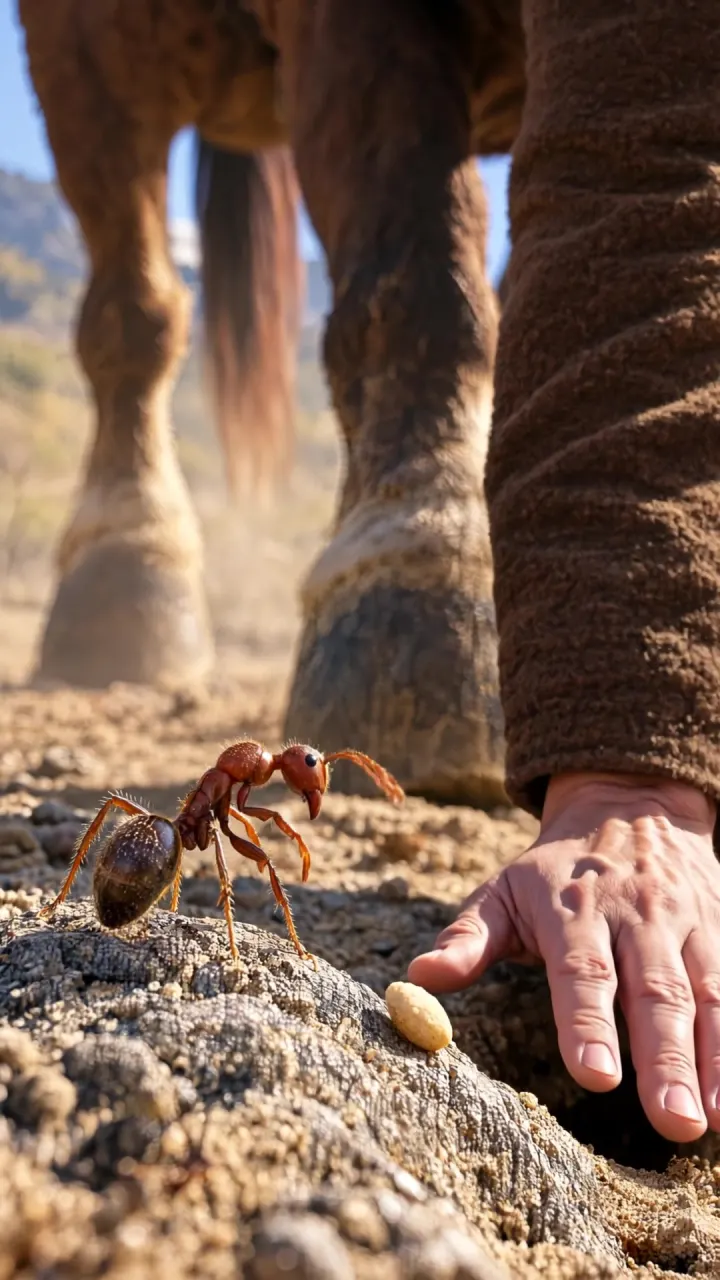
 Watch this story in QASASSulayman and the AntOne ant warned the others, and the prophet smiled.Open on Google Play →
His second du'a came after a test the Quran mentions in Surah Sad: “My Lord, forgive me and grant me a kingdom such as will not belong to anyone after me. Indeed, You are the Bestower.”
(Quran 38:35) Ibn Kathir explains that Sulayman turned back to Allah, asked forgiveness first, and then asked for the kingdom, and that the ayat after it describe the answer: the wind was subjected to him, and Allah told him “This is Our gift, so grant or withhold without account.”
(Quran 38:39) Notice that forgiveness comes before the request, as it does in the du'as of Adam, Nuh and Musa.
The du'as of Lut, Shu'ayb and 'Isa
Three shorter du'as complete the collection. Prophet Lut (peace be upon him), when his people would not stop their corruption, said: “My Lord, support me against the corrupting people.”
(Quran 29:30) Al-Sa'di explains that Lut had despaired of their faith, knew they deserved punishment, and was pained by how strongly they denied him, so he prayed against them, and Allah answered his du'a. Al-Muyassar says the same.
Prophet Shu'ayb (peace be upon him), when his people threatened to expel him, ended his reply with a du'a: “Our Lord, decide between us and our people in truth, and You are the best of those who give decision.”
(Quran 7:89) Al-Muyassar explains "decide" (iftah) as "judge between us and our people in truth", and al-Sa'di explains it as asking Allah to give victory to the wronged party that has the truth over the wrongdoer who resists it.
Prophet 'Isa (peace be upon him), when his disciples asked for a table from heaven, turned their request into a du'a:
﴿قَالَ عِيسَى ٱبْنُ مَرْيَمَ ٱللَّهُمَّ رَبَّنَآ أَنزِلْ عَلَيْنَا مَآئِدَةً مِّنَ ٱلسَّمَآءِ تَكُونُ لَنَا عِيدًا لِّأَوَّلِنَا وَءَاخِرِنَا وَءَايَةً مِّنكَ ۖ وَٱرْزُقْنَا وَأَنتَ خَيْرُ ٱلرَّٰزِقِينَ ١١٤﴾(114) Said Jesus, the son of Mary, "O Allāh, our Lord, send down to us a table [spread with food] from the heaven to be for us a festival for the first of us and the last of us and a sign from You. And provide for us, and You are the best of providers."
Al-Sa'di explains "a festival" as a day to be remembered so that this great sign is preserved and not forgotten as the years pass, and "provide for us" as "make it provision for us". He concludes that 'Isa asked for the table for two benefits: a benefit for religion, a lasting sign, and a benefit for this life, provision.
The du'as of the prophets at a glance
| Prophet | The moment | What he asked for | Ayat |
|---|---|---|---|
| Adam and Hawwa | After eating from the tree | Forgiveness and mercy | 7:23, 2:37 |
| Nuh | After 950 years of calling | Help; forgiveness for believers | 54:10, 26:117-118, 71:28 |
| Ibrahim and Isma'il | Raising the Ka'bah | Acceptance, submission, prayer, a righteous child | 2:127-128, 14:40-41, 37:100 |
| Yusuf | Tempted, then at the end of his life | Protection from sin; to die a Muslim | 12:33, 12:101 |
| Ya'qub | Grieving for his sons | Complaint to Allah alone | 12:86 |
| Musa | After the killing; in Madyan; sent to Pharaoh | Forgiveness; any good; an expanded breast | 28:16, 28:24, 20:25-28 |
| Ayyub | Long illness and loss | Removal of harm, by Allah's mercy | 21:83-84 |
| Yunus | Inside the fish | Tawhid, tasbih, confession | 21:87-88 |
| Zakariya | Old age, no child | A righteous heir | 3:38, 19:4-6, 21:89-90 |
| Sulayman | Hearing the ant; after a test | Gratitude; a unique kingdom | 27:19, 38:35 |
| Lut | A corrupt people | Support against them | 29:30 |
| Shu'ayb | Threatened with expulsion | A true judgement | 7:89 |
| 'Isa | Disciples asked for a sign | A table from heaven, as a sign and provision | 5:114 |
What the du'as of the prophets have in common
The du'as of the prophets share a pattern that anyone can learn from, and each point below comes from the ayat and tafsir above.
- They begin with "Rabbi" or "Rabbana". Almost every du'a opens with "My Lord" or "Our Lord", the name of the One who creates, owns and cares for the one asking.
- They praise Allah with the name that fits the need. Ayyub ends with "the most merciful of the merciful", Zakariya with "the best of inheritors", 'Isa with "the best of providers", Sulayman with "the Bestower". Ibn Kathir calls this praise fitted to the request.
- They admit the wrong before asking. Adam, Musa, Yunus and Sulayman all confess or ask forgiveness first. There is no excuse anywhere.
- They describe the state and leave the answer to Allah. Ayyub says only "adversity has touched me"; Musa in Madyan says only "I am in need". Al-Sa'di explains this as seeking a means through describing one's state.
- They are short. The longest prophetic du'a is a few ayat. The du'a of Yunus is one sentence.
- They are for others as well as themselves. Nuh asks for every believer, Ibrahim for his descendants, Musa for his brother, Zakariya for someone to carry the religion after him.
- They are said in secret. Ibn Kathir notes that Zakariya called on his Lord in private; Ya'qub complained to Allah alone.
- Gratitude is a du'a too. Sulayman's du'a after the ant shows that a believer asks Allah for the ability to be thankful, not only for relief.
- Allah answers. The Quran says "So We responded to him" after Ayyub, Yunus and Zakariya, and names the reason: they hastened to good, called in hope and fear, and were humble.
How to use the du'as of the prophets today
You can use the du'as of the prophets in their own words whenever your situation matches theirs, and you can also ask Allah in your own words, because the Quran commands du'a without limiting its wording. Al-Sa'di's explanation of 2:186 gives the practical conditions: a present heart, a lawful request, and a life that responds to Allah's commands.
Match the du'a to the moment. After a sin, the words of Adam (7:23) or Musa (28:16). In illness or loss, the words of Ayyub (21:83). In distress or guilt, the words of Yunus (21:87). When you want a child or a righteous family, the words of Zakariya (3:38) or Ibrahim (37:100). When you need anything at all and do not know what to ask for, the words of Musa in Madyan (28:24). When something goes well, the words of Sulayman (27:19). For your parents and all believers, the words of Nuh (71:28) and Ibrahim (14:41).
Two cautions. First, the virtue of a du'a comes from the Quran, not from numbers or rituals people attach to it; the Quran does not set a number of repetitions for any of these du'as, and we should not invent one. Second, the stories around these du'as should be told only as the Quran and the tafsir tell them. The Quran does not say how long Yunus stayed in the fish or how many years Ayyub was ill, and we do not need those details to benefit from their du'as.
Teaching the du'as of the prophets to children
The du'as of the prophets are the easiest part of the Quran stories for children to carry home, because each one is short and tied to a picture they remember. Start with the du'a of Yunus. Tell the story of the storm and the fish, then teach the single sentence he said in the dark, and explain the three parts: there is no god but You, You are perfect, I did wrong. A child who knows this du'a has learned tawhid, tasbih and tawbah in one line.
Then move to Ayyub and the spring, and the du'a "adversity has touched me, and You are the most merciful of the merciful". Children understand being ill, and they understand asking the kindest person they know for help. Add Sulayman's du'a after the ant as the "thank you du'a", and Adam's du'a as the "sorry du'a". Four du'as, four stories, and a child has a small vocabulary for talking to Allah in every mood.
In QASAS, the cinematic stories of Yunus, Ayyub and Sulayman show the exact scene where each du'a was said, with no faces depicted, and children can watch them or read them page by page and then answer a short quiz. A parent can pause at the du'a, read the ayah together from the mushaf inside the app, and hear it recited.
Read and listen to the du'as of the prophets in QASAS
Every du'a in this article is in the full mushaf inside the QASAS app, where you can read the ayah, hear its recitation, open al-Tafsir al-Muyassar or Ibn Kathir beside it, and see the translation word by word. The prophet stories app also has the stories behind the du'as: Yunus and the whale, Ayyub and the spring, Sulayman and the ant, Nuh and his son, and Yusuf, as cinematic stories to watch and read with a quiz. Alongside them you will find prayer times with adhan, the qibla, a 3D tasbih for dhikr, and the morning and evening adhkar. QASAS is free, with no ads and no account, and is available on Google Play, with the iPhone version coming soon.
Frequently asked questions
Which du'as of the prophets are in the Quran?
The Quran records du'as from at least fourteen prophets: Adam (7:23), Nuh (54:10, 71:28), Ibrahim and Isma'il (2:127-128, 14:40-41), Yusuf (12:33, 12:101), Ya'qub (12:86), Musa (28:16, 28:24, 20:25-28), Ayyub (21:83), Yunus (21:87), Zakariya (3:38, 19:4-6, 21:89), Sulayman (27:19, 38:35), Lut (29:30), Shu'ayb (7:89) and 'Isa (5:114). The Quran also records many du'as of righteous believers that are not attributed to a named prophet.
What is the du'a of Prophet Yunus and when should I say it?
The du'a of Yunus is "La ilaha illa anta, subhanaka, inni kuntu min al-zalimin", in Surah al-Anbiya' 21:87. He said it in the darkness inside the fish. Al-Sa'di explains that it affirms Allah's perfect divinity, declares Him free of every defect, and confesses the servant's own wrong. The next ayah promises that Allah saves the believers in the same way, so it is a du'a for any distress, especially one caused by our own mistakes.
Which prophets' du'as does the Quran say were answered immediately?
Surah al-Anbiya' says "So We responded to him" directly after the du'as of Ayyub (21:84), Yunus (21:88) and Zakariya (21:90), and says the same of Nuh in 21:76. Surah al-Qasas records Musa's du'a for forgiveness and the answer "and He forgave him" in the same ayah (28:16). Surah al-Saffat answers Ibrahim's du'a for a righteous child in the very next ayah (37:101).
What is the du'a of Prophet Ayyub?
The du'a of Ayyub is "Anni massaniya al-durru wa anta arham al-rahimin": "adversity has touched me, and You are the most merciful of the merciful" (21:83). Al-Sa'di explains that Ayyub did not demand a cure; he described his state and appealed to Allah's mercy. Allah removed his harm and gave him back his family and the like of them with them (21:84).
Can I make du'a in my own words instead of the prophets' words?
Yes. Allah says "Call upon Me; I will respond to you" (40:60) without limiting the wording, and al-Sa'di explains that the conditions of an answer are a present heart, a lawful request, and no barrier such as unlawful earnings. The du'as of the prophets are the best words to use when they fit your situation, and a model for shaping your own.
Why did Ya'qub say "I only complain of my suffering and my grief to Allah"?
Because complaining to Allah is the opposite of despair. Ibn Kathir explains that Ya'qub kept his sorrow private, did not complain to any created being, and expected every good from Allah. In the next ayah he told his sons not to despair of relief from Allah (12:87). His words teach that telling Allah your pain is itself an act of faith.
What du'a did Adam make after eating from the tree?
Adam and Hawwa said: "Our Lord, we have wronged ourselves, and if You do not forgive us and have mercy upon us, we will surely be among the losers" (7:23). Al-Tafsir al-Muyassar explains that these are the words Adam received from his Lord, mentioned in 2:37, and that Allah accepted his repentance through them.
How many "Rabbana" du'as are there in the Quran?
Popular collections usually list about forty du'as that begin with "Rabbana" (Our Lord), but the exact number depends on how the compiler counts, because some ayat contain more than one request and some du'as begin with "Rabbi" (My Lord). The prophetic du'as in this article use both forms, and the Quran gives no special count or ritual for them.
Sources
Quran: 2:37, 2:127-128, 2:186, 3:38-39, 5:114, 7:23, 7:89, 7:151, 11:47, 12:33, 12:86-87, 12:101, 14:40-41, 19:4-6, 20:25-28, 21:76, 21:83-90, 26:83-85, 26:117-118, 27:19, 28:16, 28:24, 29:30, 37:100-101, 38:35-39, 40:60, 54:10-11, 71:28. Tafsir: al-Tafsir al-Muyassar on all of the above; Ibn Kathir on 2:127-128, 3:38, 7:23, 12:86, 12:101, 21:83-84, 21:89-90, 28:24, 38:35-39, 71:28; al-Sa'di (Taysir al-Karim al-Rahman) on 2:186, 5:114, 7:89, 12:101, 14:40, 21:83, 21:87-88, 21:90, 27:19, 29:30.
Updated: · By QASAS