The theme of parents and children in the Quran runs through the stories of the prophets more than most readers notice. A father calls to his son across mountain-high waves. A son pleads gently with a father who threatens to stone him. A father and son build the Kaaba together, praying for the generations after them. A mother places her newborn in a river because Allah told her to. A grieving father refuses to despair for decades.
The Quran does not tell these stories as parenting tips. It tells them as stories of faith, and the lessons for families come out of them naturally. This article gathers the main parent and child moments in one place and lets the ayat and the classical tafsir explain them: Ibn Kathir, al-Sa'di (Taysir al-Karim al-Rahman) and al-Tafsir al-Muyassar. For the full stories, read the story of Prophet Nuh, the story of Prophet Ibrahim and the story of Prophet Yusuf. Every ayah is quoted from the Arabic text with the Saheeh International translation, and every explanation names the tafsir it comes from.
What the Quran says about parents and children
The Quran places kindness to parents right after the worship of Allah alone, and it asks parents to protect their families by guiding them. The clearest command comes in Surah al-Isra:
﴿۞ وَقَضَىٰ رَبُّكَ أَلَّا تَعْبُدُوٓا۟ إِلَّآ إِيَّاهُ وَبِٱلْوَٰلِدَيْنِ إِحْسَـٰنًا ۚ إِمَّا يَبْلُغَنَّ عِندَكَ ٱلْكِبَرَ أَحَدُهُمَآ أَوْ كِلَاهُمَا فَلَا تَقُل لَّهُمَآ أُفٍّ وَلَا تَنْهَرْهُمَا وَقُل لَّهُمَا قَوْلًا كَرِيمًا ٢٣ وَٱخْفِضْ لَهُمَا جَنَاحَ ٱلذُّلِّ مِنَ ٱلرَّحْمَةِ وَقُل رَّبِّ ٱرْحَمْهُمَا كَمَا رَبَّيَانِى صَغِيرًا ٢٤﴾(23) And your Lord has decreed that you worship not except Him, and to parents, good treatment. Whether one or both of them reach old age [while] with you, say not to them [so much as], "uff," and do not repel them but speak to them a noble word. (24) And lower to them the wing of humility out of mercy and say, "My Lord, have mercy upon them as they brought me up [when I was] small."
Al-Tafsir al-Muyassar explains that the believer must not show even the smallest sign of irritation, not even "uff", which it calls the lowest level of bad speech, and must speak to his parents always with soft and gentle words. Ibn Kathir notes that the Quran mentions worship of Allah and kindness to parents together again and again. The du'a at the end of the passage is worth noticing: the child asks Allah to have mercy on his parents “as they brought me up [when I was] small.”
(Quran 17:24) Al-Tafsir al-Muyassar explains that this is because they were patient in raising him when he was a weak child.
The Quran also speaks to parents. It tells the believers to “protect yourselves and your families from a Fire”
(Quran 66:6). Al-Tafsir al-Muyassar explains that you protect your family with the same things you protect yourself with: doing what Allah commanded and leaving what He forbade. Ibn Kathir records from early scholars of tafsir that this means ordering your family to fear Allah and obey Him, and al-Dahhak and Muqatil said it is an obligation for a Muslim to teach his family what Allah has made obligatory and what He has forbidden. So the relationship runs both ways: children owe their parents gratitude and gentleness, and parents owe their children guidance.
Luqman and his son: advice wrapped in love
Luqman's advice to his son is the most complete piece of parenting in the Quran. Allah says He gave Luqman wisdom, and then records what he told his son:
﴿وَإِذْ قَالَ لُقْمَـٰنُ لِٱبْنِهِۦ وَهُوَ يَعِظُهُۥ يَـٰبُنَىَّ لَا تُشْرِكْ بِٱللَّهِ ۖ إِنَّ ٱلشِّرْكَ لَظُلْمٌ عَظِيمٌ ١٣﴾(13) And [mention, O Muḥammad], when Luqmān said to his son while he was instructing him, "O my son, do not associate [anything] with Allāh. Indeed, association [with Him] is great injustice."
Ibn Kathir points out that Luqman was advising "the closest and most beloved of all people to him", the one who most deserved the best of his knowledge, and that he began with the most important matter: worshipping Allah alone. Al-Sa'di adds that Luqman did not only forbid shirk; he explained why it is the greatest wrong, because it puts the creature who owns nothing on the level of the Lord who owns everything. A father who explains the reason behind a command is teaching his child to think, not only to obey.
Notice how each piece of advice begins: "O my son" (ya bunayya). The Arabic form is a tender, diminutive way of calling a son, and the Quran keeps it in every instruction. Between Luqman's words, Allah inserts His own command to honour parents (31:14-15), including the line that children should not obey parents who push them to shirk, but should still “accompany them in [this] world with appropriate kindness”
(Quran 31:15).
Luqman then teaches his son that Allah sees everything:
﴿يَـٰبُنَىَّ إِنَّهَآ إِن تَكُ مِثْقَالَ حَبَّةٍ مِّنْ خَرْدَلٍ فَتَكُن فِى صَخْرَةٍ أَوْ فِى ٱلسَّمَـٰوَٰتِ أَوْ فِى ٱلْأَرْضِ يَأْتِ بِهَا ٱللَّهُ ۚ إِنَّ ٱللَّهَ لَطِيفٌ خَبِيرٌ ١٦ يَـٰبُنَىَّ أَقِمِ ٱلصَّلَوٰةَ وَأْمُرْ بِٱلْمَعْرُوفِ وَٱنْهَ عَنِ ٱلْمُنكَرِ وَٱصْبِرْ عَلَىٰ مَآ أَصَابَكَ ۖ إِنَّ ذَٰلِكَ مِنْ عَزْمِ ٱلْأُمُورِ ١٧﴾(16) [And Luqmān said], "O my son, indeed if it [i.e., a wrong] should be the weight of a mustard seed and should be within a rock or [anywhere] in the heavens or in the earth, Allāh will bring it forth. Indeed, Allāh is Subtle and Aware. (17) O my son, establish prayer, enjoin what is right, forbid what is wrong, and be patient over what befalls you. Indeed, [all] that is of the matters [requiring] resolve.
Al-Tafsir al-Muyassar explains that a good or bad deed the size of a mustard seed, hidden inside a rock or anywhere in the heavens or the earth, will be brought forward by Allah on the Day of Judgement. Then come prayer, enjoining good, forbidding evil and patience. Al-Sa'di notes that Luqman joined patience to enjoining good because anyone who corrects others will meet hardship, and that these are matters only people of strong resolve are given.
﴿وَلَا تُصَعِّرْ خَدَّكَ لِلنَّاسِ وَلَا تَمْشِ فِى ٱلْأَرْضِ مَرَحًا ۖ إِنَّ ٱللَّهَ لَا يُحِبُّ كُلَّ مُخْتَالٍ فَخُورٍ ١٨ وَٱقْصِدْ فِى مَشْيِكَ وَٱغْضُضْ مِن صَوْتِكَ ۚ إِنَّ أَنكَرَ ٱلْأَصْوَٰتِ لَصَوْتُ ٱلْحَمِيرِ ١٩﴾(18) And do not turn your cheek [in contempt] toward people and do not walk through the earth exultantly. Indeed, Allāh does not like everyone self-deluded and boastful. (19) And be moderate in your pace and lower your voice; indeed, the most disagreeable of sounds is the voice of donkeys."
The last advice is about manners: no arrogance, no strutting, a moderate walk and a lowered voice. Al-Sa'di writes that Luqman's advice "gathers the foundations of wisdom": tawhid, duty to parents, awareness of Allah, prayer, patience, humility and calm in movement and voice. And each command came with its reason. Was Luqman a prophet? Al-Sa'di says the scholars of tafsir differed, and that Allah only tells us He gave him wisdom. Al-Tafsir al-Muyassar calls him "a righteous servant". The Quran does not name his son, and we do not need his name to benefit from the advice.
Ibrahim and his father: a son who calls with gentleness
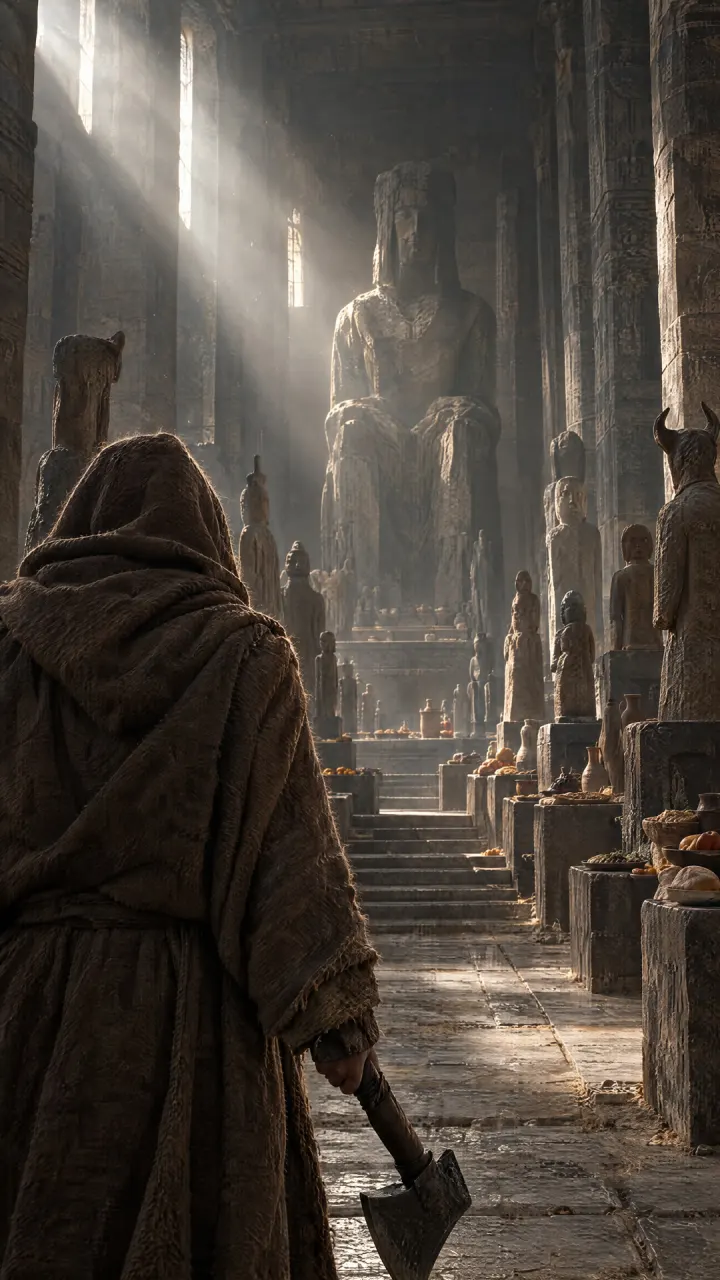
Prophet Ibrahim (peace be upon him) shows how a believing child should speak to a parent who is on the wrong path. His father worshipped idols, and Ibrahim called him to Allah with four sentences, each beginning "O my father":
﴿إِذْ قَالَ لِأَبِيهِ يَـٰٓأَبَتِ لِمَ تَعْبُدُ مَا لَا يَسْمَعُ وَلَا يُبْصِرُ وَلَا يُغْنِى عَنكَ شَيْـًٔا ٤٢ يَـٰٓأَبَتِ إِنِّى قَدْ جَآءَنِى مِنَ ٱلْعِلْمِ مَا لَمْ يَأْتِكَ فَٱتَّبِعْنِىٓ أَهْدِكَ صِرَٰطًا سَوِيًّا ٤٣ يَـٰٓأَبَتِ لَا تَعْبُدِ ٱلشَّيْطَـٰنَ ۖ إِنَّ ٱلشَّيْطَـٰنَ كَانَ لِلرَّحْمَـٰنِ عَصِيًّا ٤٤ يَـٰٓأَبَتِ إِنِّىٓ أَخَافُ أَن يَمَسَّكَ عَذَابٌ مِّنَ ٱلرَّحْمَـٰنِ فَتَكُونَ لِلشَّيْطَـٰنِ وَلِيًّا ٤٥﴾(42) [Mention] when he said to his father, "O my father, why do you worship that which does not hear and does not see and will not benefit you at all? (43) O my father, indeed there has come to me of knowledge that which has not come to you, so follow me; I will guide you to an even path. (44) O my father, do not worship [i.e., obey] Satan. Indeed Satan has ever been, to the Most Merciful, disobedient. (45) O my father, indeed I fear that there will touch you a punishment from the Most Merciful so you would be to Satan a companion [in Hellfire]."
Ibn Kathir explains the second sentence as Ibrahim saying, in effect: even though I come from you and you see me as less than you because I am your son, Allah has given me knowledge that has not reached you. Al-Sa'di points out that he began with a clear argument (idols cannot hear, see or help) and ended with his fear for his father, which is the voice of love, not of anger. Al-Tafsir al-Muyassar names the father as Azar, the name the Quran itself gives in 6:74.
His father answered with a threat:
﴿قَالَ أَرَاغِبٌ أَنتَ عَنْ ءَالِهَتِى يَـٰٓإِبْرَٰهِيمُ ۖ لَئِن لَّمْ تَنتَهِ لَأَرْجُمَنَّكَ ۖ وَٱهْجُرْنِى مَلِيًّا ٤٦ قَالَ سَلَـٰمٌ عَلَيْكَ ۖ سَأَسْتَغْفِرُ لَكَ رَبِّىٓ ۖ إِنَّهُۥ كَانَ بِى حَفِيًّا ٤٧﴾(46) [His father] said, "Have you no desire for my gods, O Abraham? If you do not desist, I will surely stone you, so avoid me a prolonged time." (47) [Abraham] said, "Peace [i.e., safety] will be upon you. I will ask forgiveness for you of my Lord. Indeed, He is ever gracious to me.
Ibrahim's reply was “Peace [i.e., safety] will be upon you.”
(Quran 19:47) Al-Sa'di explains: he did not insult his father or answer him with what he disliked; he answered as the servants of the Most Merciful answer the ignorant, and promised to keep praying for his guidance. Al-Sa'di adds that he kept asking forgiveness for him until it became clear that his father was an enemy of Allah, and then he stopped. Al-Tafsir al-Muyassar makes the same point when Ibrahim asks forgiveness for his parents in 14:41: this was before it became clear to him that his father was an enemy of Allah.
The lesson is precise: a child must never obey a parent in disobedience to Allah, but must never stop being gentle with that parent either. Ibrahim held both. You can read how this conversation led to the broken idols and the fire in the story of Prophet Ibrahim.
Ibrahim and Isma'il: a father who asked his son's opinion
The story of the dream of sacrifice is the Quran's clearest picture of a father and son who obey Allah together. It begins with a du'a:
﴿رَبِّ هَبْ لِى مِنَ ٱلصَّـٰلِحِينَ ١٠٠ فَبَشَّرْنَـٰهُ بِغُلَـٰمٍ حَلِيمٍ ١٠١ فَلَمَّا بَلَغَ مَعَهُ ٱلسَّعْىَ قَالَ يَـٰبُنَىَّ إِنِّىٓ أَرَىٰ فِى ٱلْمَنَامِ أَنِّىٓ أَذْبَحُكَ فَٱنظُرْ مَاذَا تَرَىٰ ۚ قَالَ يَـٰٓأَبَتِ ٱفْعَلْ مَا تُؤْمَرُ ۖ سَتَجِدُنِىٓ إِن شَآءَ ٱللَّهُ مِنَ ٱلصَّـٰبِرِينَ ١٠٢﴾(100) My Lord, grant me [a child] from among the righteous." (101) So We gave him good tidings of a forbearing boy. (102) And when he reached with him [the age of] exertion, he said, "O my son, indeed I have seen in a dream that I [must] sacrifice you, so see what you think." He said, "O my father, do as you are commanded. You will find me, if Allāh wills, of the steadfast."
Al-Tafsir al-Muyassar and Ibn Kathir identify the forbearing boy as Isma'il. Al-Sa'di explains "when he reached with him [the age of] exertion" as the age when a boy can walk and work beside his father, the age when a child is usually most beloved to his parents, when the hard years are behind and his help has begun. That is exactly when the command came. The dreams of prophets are revelation, as al-Tafsir al-Muyassar and al-Sa'di both state.
Then comes the remarkable sentence: “so see what you think.”
(Quran 37:102) Ibrahim did not hide the command or act without telling his son. Ibn Kathir explains that he told him "to make it easier for him, and also to test his patience and resolve, at a young age, in obeying Allah and obeying his father." Al-Sa'di adds that the command of Allah had to be carried out either way. So the question was never whether to obey; it was a father bringing his son's heart along with him.
And the son answered with patience and with "if Allah wills". Al-Sa'di notes that Isma'il tied his promise of patience to the will of Allah, because nothing happens without it. The Quran then says “when they had both submitted”
(Quran 37:103): the obedience belonged to both of them.
﴿وَنَـٰدَيْنَـٰهُ أَن يَـٰٓإِبْرَٰهِيمُ ١٠٤ قَدْ صَدَّقْتَ ٱلرُّءْيَآ ۚ إِنَّا كَذَٰلِكَ نَجْزِى ٱلْمُحْسِنِينَ ١٠٥ إِنَّ هَـٰذَا لَهُوَ ٱلْبَلَـٰٓؤُا۟ ٱلْمُبِينُ ١٠٦ وَفَدَيْنَـٰهُ بِذِبْحٍ عَظِيمٍ ١٠٧﴾(104) We called to him, "O Abraham, (105) You have fulfilled the vision." Indeed, We thus reward the doers of good. (106) Indeed, this was the clear trial. (107) And We ransomed him with a great sacrifice,
Al-Tafsir al-Muyassar explains that Allah called Ibrahim in that hardest moment, told him he had fulfilled the vision, and ransomed Isma'il with a great ram. Allah calls it “the clear trial”
(Quran 37:106), which al-Tafsir al-Muyassar explains as the hard test that showed the truth of Ibrahim's faith.
Building together and praying for the generations after them
Ibrahim and Isma'il also appear side by side raising the foundations of the Kaaba, and their du'a is about their children as much as themselves:
﴿وَإِذْ يَرْفَعُ إِبْرَٰهِـۧمُ ٱلْقَوَاعِدَ مِنَ ٱلْبَيْتِ وَإِسْمَـٰعِيلُ رَبَّنَا تَقَبَّلْ مِنَّآ ۖ إِنَّكَ أَنتَ ٱلسَّمِيعُ ٱلْعَلِيمُ ١٢٧ رَبَّنَا وَٱجْعَلْنَا مُسْلِمَيْنِ لَكَ وَمِن ذُرِّيَّتِنَآ أُمَّةً مُّسْلِمَةً لَّكَ وَأَرِنَا مَنَاسِكَنَا وَتُبْ عَلَيْنَآ ۖ إِنَّكَ أَنتَ ٱلتَّوَّابُ ٱلرَّحِيمُ ١٢٨﴾(127) And [mention] when Abraham was raising the foundations of the House and [with him] Ishmael, [saying], "Our Lord, accept [this] from us. Indeed, You are the Hearing, the Knowing. (128) Our Lord, and make us Muslims [in submission] to You and from our descendants a Muslim nation [in submission] to You. And show us our rites [of worship] and accept our repentance. Indeed, You are the Accepting of Repentance, the Merciful.
Al-Tafsir al-Muyassar explains that they asked Allah to keep them both firm on Islam and to make from their descendants a nation that submits to Him. In Surah Ibrahim, Ibrahim prays: “My Lord, make me an establisher of prayer, and [many] from my descendants.”
(Quran 14:40) Al-Sa'di says Allah answered his du'a in all of it, except that his prayer for his father had been a promise he made to him, which he left once it became clear that his father was an enemy of Allah.
The same concern for the next generation appears in the Quranic du'as for believers in general: “Our Lord, grant us from among our wives and offspring comfort to our eyes”
(Quran 25:74). Ibn Kathir explains this as asking for offspring who obey and worship Allah alone. And in 46:15 the grown man of forty prays “make righteous for me my offspring”
(Quran 46:15). A parent's first tool, in the Quran, is du'a. We collected these prayers in the du'as of the prophets in the Quran.
Ya'qub and his sons: protecting, warning, forgiving
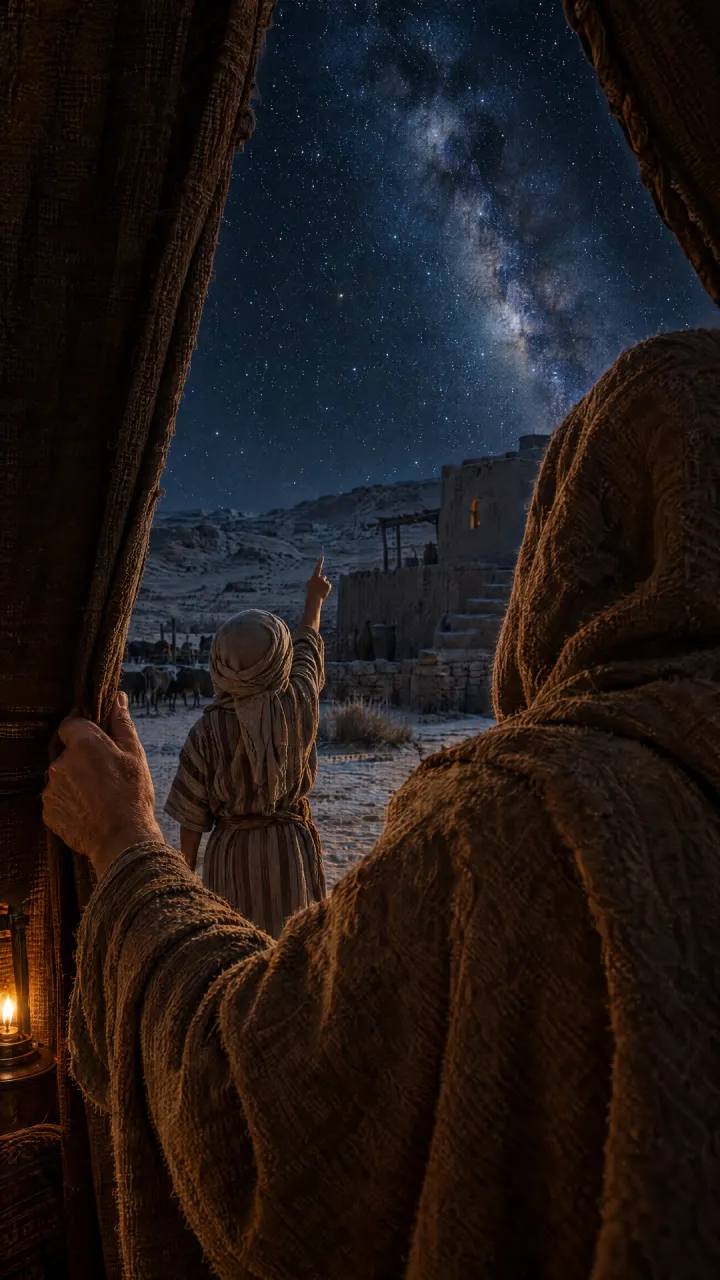
Prophet Ya'qub (peace be upon him) is the father with the most space in the Quran, and Surah Yusuf shows almost every side of fatherhood: tenderness, caution, grief, patience and forgiveness. It begins when young Yusuf tells him a dream:
﴿إِذْ قَالَ يُوسُفُ لِأَبِيهِ يَـٰٓأَبَتِ إِنِّى رَأَيْتُ أَحَدَ عَشَرَ كَوْكَبًا وَٱلشَّمْسَ وَٱلْقَمَرَ رَأَيْتُهُمْ لِى سَـٰجِدِينَ ٤ قَالَ يَـٰبُنَىَّ لَا تَقْصُصْ رُءْيَاكَ عَلَىٰٓ إِخْوَتِكَ فَيَكِيدُوا۟ لَكَ كَيْدًا ۖ إِنَّ ٱلشَّيْطَـٰنَ لِلْإِنسَـٰنِ عَدُوٌّ مُّبِينٌ ٥﴾(4) [Of these stories mention] when Joseph said to his father, "O my father, indeed I have seen [in a dream] eleven stars and the sun and the moon; I saw them prostrating to me." (5) He said, "O my son, do not relate your vision to your brothers or they will contrive against you a plan. Indeed Satan, to man, is a manifest enemy.
Ibn Kathir explains that Ya'qub understood the dream meant his brothers would one day honour Yusuf, and feared that if they heard it they would envy him and plot against him. Al-Sa'di adds that Ya'qub interpreted the dream for his son and explained what it pointed to. A wise father knows his children, including the weaknesses between siblings, and acts early to protect each of them.
When the brothers asked to take Yusuf out, Ya'qub told them honestly: “Indeed, it saddens me that you should take him”
(Quran 12:13). When they returned with a shirt stained with false blood, he did not rage. He said:
﴿وَجَآءُو عَلَىٰ قَمِيصِهِۦ بِدَمٍ كَذِبٍ ۚ قَالَ بَلْ سَوَّلَتْ لَكُمْ أَنفُسُكُمْ أَمْرًا ۖ فَصَبْرٌ جَمِيلٌ ۖ وَٱللَّهُ ٱلْمُسْتَعَانُ عَلَىٰ مَا تَصِفُونَ ١٨﴾(18) And they brought upon his shirt false blood. [Jacob] said, "Rather, your souls have enticed you to something, so patience is most fitting. And Allāh is the one sought for help against that which you describe."
Al-Tafsir al-Muyassar explains "fitting patience" as patience with no complaint to any creature. Years later, when a second son was held in Egypt, he turned away from his sons in grief, his eyes turned white with sorrow, and yet he said “I only complain of my suffering and my grief to Allāh”
(Quran 12:86). Then he sent the same sons who had hurt him to search for their brothers, telling them to “despair not of relief from Allāh”
(Quran 12:87). He kept giving his sons tasks and trust even after they had broken it.
At the end, the sons admitted their wrong and asked their father to seek forgiveness for them:
﴿قَالُوا۟ يَـٰٓأَبَانَا ٱسْتَغْفِرْ لَنَا ذُنُوبَنَآ إِنَّا كُنَّا خَـٰطِـِٔينَ ٩٧ قَالَ سَوْفَ أَسْتَغْفِرُ لَكُمْ رَبِّىٓ ۖ إِنَّهُۥ هُوَ ٱلْغَفُورُ ٱلرَّحِيمُ ٩٨﴾(97) They said, "O our father, ask for us forgiveness of our sins; indeed, we have been sinners." (98) He said, "I will ask forgiveness for you from my Lord. Indeed, it is He who is the Forgiving, the Merciful."
Al-Sa'di explains that Ya'qub answered their request quickly, and mentions a report that he delayed the istighfar to the blessed time before dawn so that it would be more complete and closer to being answered. Yusuf himself had already told his brothers “No blame will there be upon you today.”
(Quran 12:92) A family that had been broken for years was healed by forgiveness, as told in full in the story of Prophet Yusuf.
Ya'qub's last scene is a father's deathbed question:
﴿أَمْ كُنتُمْ شُهَدَآءَ إِذْ حَضَرَ يَعْقُوبَ ٱلْمَوْتُ إِذْ قَالَ لِبَنِيهِ مَا تَعْبُدُونَ مِنۢ بَعْدِى قَالُوا۟ نَعْبُدُ إِلَـٰهَكَ وَإِلَـٰهَ ءَابَآئِكَ إِبْرَٰهِـۧمَ وَإِسْمَـٰعِيلَ وَإِسْحَـٰقَ إِلَـٰهًا وَٰحِدًا وَنَحْنُ لَهُۥ مُسْلِمُونَ ١٣٣﴾(133) Or were you witnesses when death approached Jacob, when he said to his sons, "What will you worship after me?" They said, "We will worship your God and the God of your fathers, Abraham and Ishmael and Isaac - one God. And we are Muslims [in submission] to Him."
Al-Sa'di explains the instruction in the ayah before it (2:132) with a principle every parent can hold on to: whoever lives on something dies on it, and whoever dies on something is raised on it. Ya'qub's final concern was not wealth or land. It was “What will you worship after me?”
(Quran 2:133)
 Watch this story in QASASYusuf's DreamEleven stars, the sun and the moon bowed to him.Open on Google Play →
Nuh and his son: when love cannot replace faith
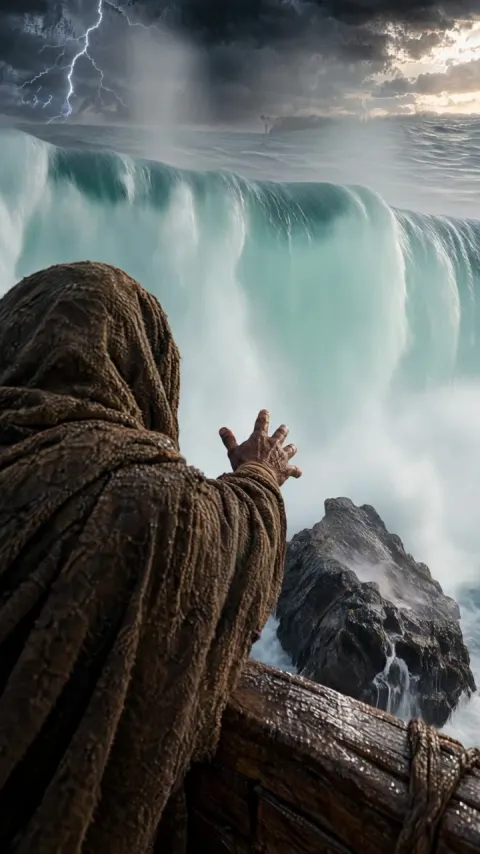
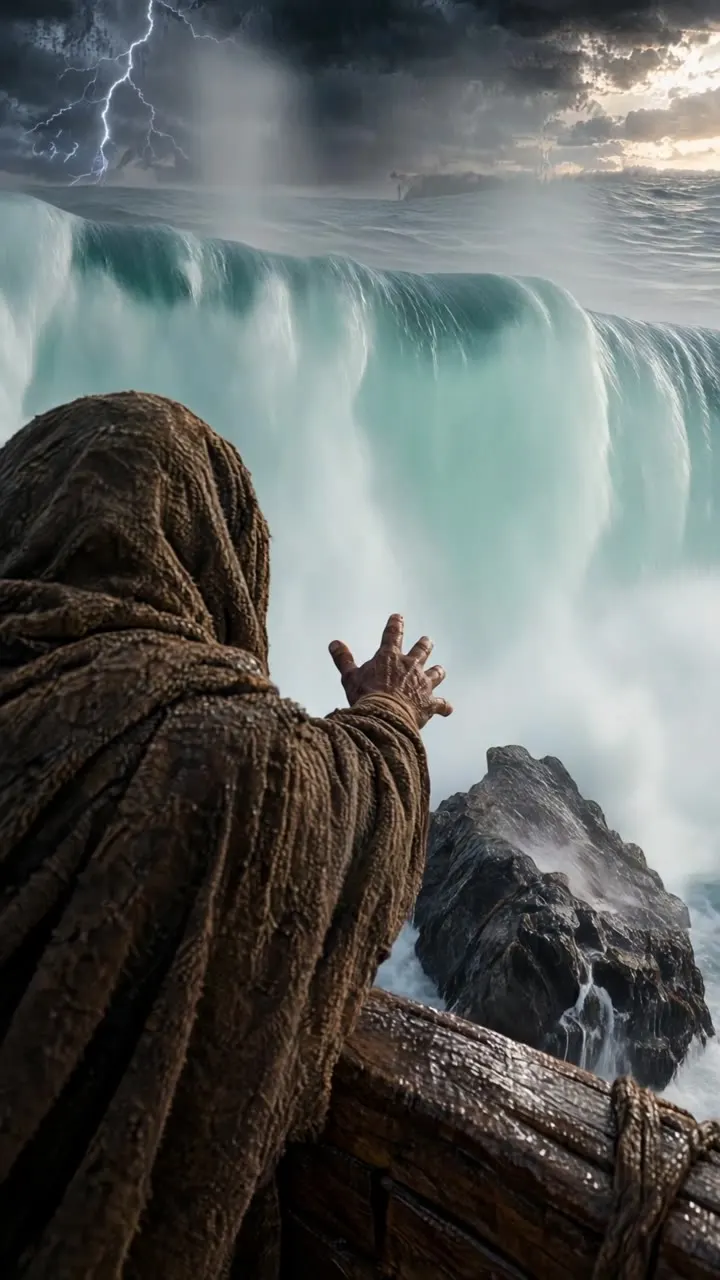
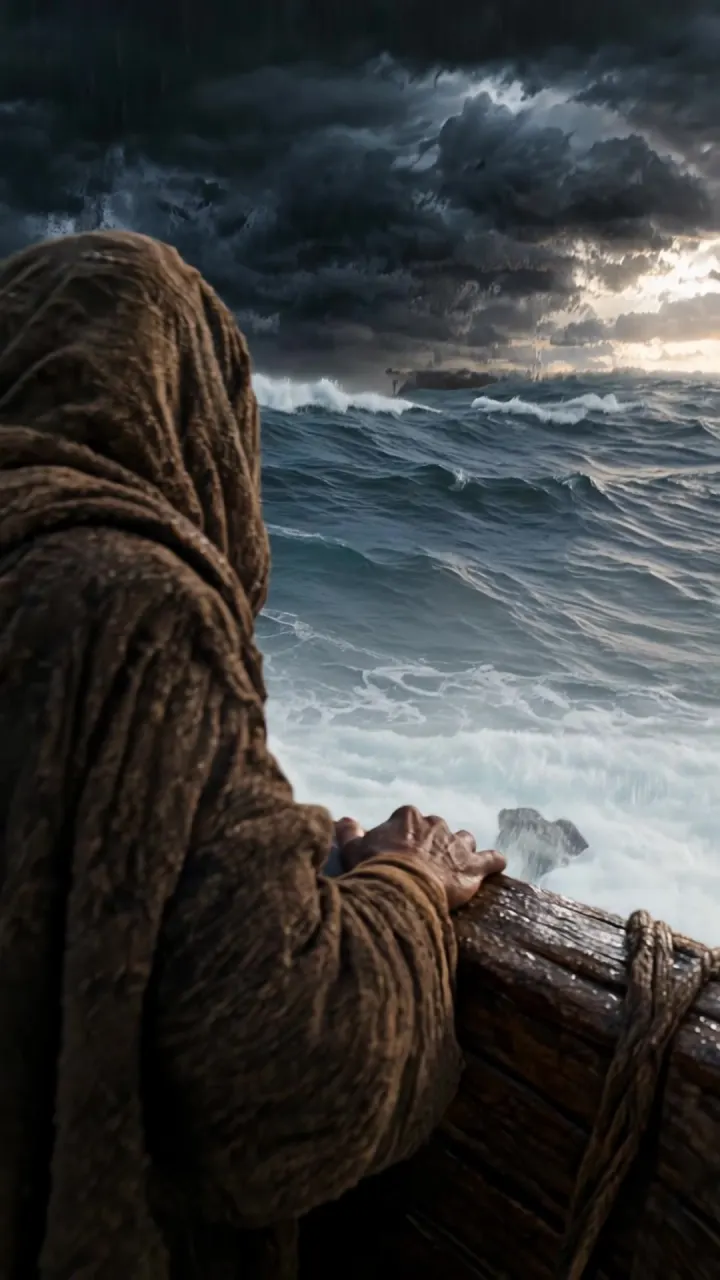
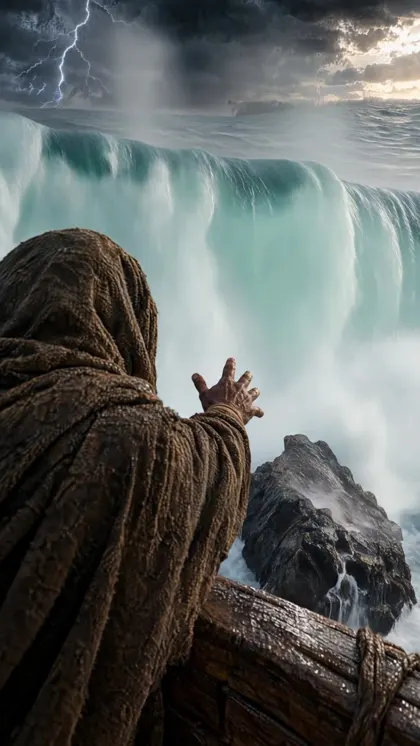
The story of Prophet Nuh and his son is the hardest parent and child moment in the Quran, and it is told with great tenderness. As the Ark sailed through waves like mountains, Nuh saw his son standing apart:
﴿وَهِىَ تَجْرِى بِهِمْ فِى مَوْجٍ كَٱلْجِبَالِ وَنَادَىٰ نُوحٌ ٱبْنَهُۥ وَكَانَ فِى مَعْزِلٍ يَـٰبُنَىَّ ٱرْكَب مَّعَنَا وَلَا تَكُن مَّعَ ٱلْكَـٰفِرِينَ ٤٢ قَالَ سَـَٔاوِىٓ إِلَىٰ جَبَلٍ يَعْصِمُنِى مِنَ ٱلْمَآءِ ۚ قَالَ لَا عَاصِمَ ٱلْيَوْمَ مِنْ أَمْرِ ٱللَّهِ إِلَّا مَن رَّحِمَ ۚ وَحَالَ بَيْنَهُمَا ٱلْمَوْجُ فَكَانَ مِنَ ٱلْمُغْرَقِينَ ٤٣﴾(42) And it sailed with them through waves like mountains, and Noah called to his son who was apart [from them], "O my son, come aboard with us and be not with the disbelievers." (43) [But] he said, "I will take refuge on a mountain to protect me from the water." [Noah] said, "There is no protector today from the decree of Allāh, except for whom He gives mercy." And the waves came between them, and he was among the drowned.
Al-Sa'di notes that the son had kept himself away from the believers when they boarded, and that Nuh wanted him to come closer and board. Even at that moment the call begins "O my son". Al-Tafsir al-Muyassar explains Nuh's reply as: nothing protects from Allah's decree today except His mercy, so believe and board with us. Then a wave came between them.
After the flood, Nuh asked his Lord about his son, because Allah had promised to save his family:
﴿وَنَادَىٰ نُوحٌ رَّبَّهُۥ فَقَالَ رَبِّ إِنَّ ٱبْنِى مِنْ أَهْلِى وَإِنَّ وَعْدَكَ ٱلْحَقُّ وَأَنتَ أَحْكَمُ ٱلْحَـٰكِمِينَ ٤٥ قَالَ يَـٰنُوحُ إِنَّهُۥ لَيْسَ مِنْ أَهْلِكَ ۖ إِنَّهُۥ عَمَلٌ غَيْرُ صَـٰلِحٍ ۖ فَلَا تَسْـَٔلْنِ مَا لَيْسَ لَكَ بِهِۦ عِلْمٌ ۖ إِنِّىٓ أَعِظُكَ أَن تَكُونَ مِنَ ٱلْجَـٰهِلِينَ ٤٦ قَالَ رَبِّ إِنِّىٓ أَعُوذُ بِكَ أَنْ أَسْـَٔلَكَ مَا لَيْسَ لِى بِهِۦ عِلْمٌ ۖ وَإِلَّا تَغْفِرْ لِى وَتَرْحَمْنِىٓ أَكُن مِّنَ ٱلْخَـٰسِرِينَ ٤٧﴾(45) And Noah called to his Lord and said, "My Lord, indeed my son is of my family; and indeed, Your promise is true; and You are the most just of judges!" (46) He said, "O Noah, indeed he is not of your family; indeed, he is [one whose] work was other than righteous, so ask Me not for that about which you have no knowledge. Indeed, I advise you, lest you be among the ignorant." (47) [Noah] said, "My Lord, I seek refuge in You from asking that of which I have no knowledge. And unless You forgive me and have mercy upon me, I will be among the losers."
Al-Tafsir al-Muyassar explains that the son was not of the family Allah had promised to save, because of his disbelief and his deeds. Al-Sa'di explains "work other than righteous" as describing the request itself: asking for the rescue of someone who did not believe. Both explanations lead to one truth: a parent can call, teach and pray, but faith is each person's own. Nuh's response is the model for a grieving parent: he immediately sought refuge in Allah and asked for His forgiveness and mercy. The Quran does not name the son; the name sometimes repeated is not in the Quran. The full account is in the story of Prophet Nuh.
 Watch this story in QASASNuh and His SonHe called his son to the Ark. His son refused.Open on Google Play →
Two mothers: the mother of Musa and the wife of 'Imran
The mothers in the Quran stories show a trust in Allah that is quiet and enormous. The mother of Musa was told to nurse her baby and, when she feared for him, to place him in the river:
﴿وَأَوْحَيْنَآ إِلَىٰٓ أُمِّ مُوسَىٰٓ أَنْ أَرْضِعِيهِ ۖ فَإِذَا خِفْتِ عَلَيْهِ فَأَلْقِيهِ فِى ٱلْيَمِّ وَلَا تَخَافِى وَلَا تَحْزَنِىٓ ۖ إِنَّا رَآدُّوهُ إِلَيْكِ وَجَاعِلُوهُ مِنَ ٱلْمُرْسَلِينَ ٧﴾(7) And We inspired to the mother of Moses, "Suckle him; but when you fear for him, cast him into the river and do not fear and do not grieve. Indeed, We will return him to you and will make him [one] of the messengers."
Al-Tafsir al-Muyassar explains that she placed him in a chest and put it in the Nile. The Quran then says her heart became empty of everything except him, and that she nearly gave the secret away had Allah not strengthened her heart (28:10). She sent his sister to follow him, and al-Sa'di explains that the sister watched as if she were passing by with no interest, a sign of the family's care and caution (28:11). Allah returned the baby to his mother “that she would know that the promise of Allāh is true”
(Quran 28:13). The story is told in full in the story of Musa and Pharaoh.
The wife of 'Imran, the mother of Maryam (peace be upon her), dedicated her child to Allah before birth:
﴿إِذْ قَالَتِ ٱمْرَأَتُ عِمْرَٰنَ رَبِّ إِنِّى نَذَرْتُ لَكَ مَا فِى بَطْنِى مُحَرَّرًا فَتَقَبَّلْ مِنِّىٓ ۖ إِنَّكَ أَنتَ ٱلسَّمِيعُ ٱلْعَلِيمُ ٣٥ فَلَمَّا وَضَعَتْهَا قَالَتْ رَبِّ إِنِّى وَضَعْتُهَآ أُنثَىٰ وَٱللَّهُ أَعْلَمُ بِمَا وَضَعَتْ وَلَيْسَ ٱلذَّكَرُ كَٱلْأُنثَىٰ ۖ وَإِنِّى سَمَّيْتُهَا مَرْيَمَ وَإِنِّىٓ أُعِيذُهَا بِكَ وَذُرِّيَّتَهَا مِنَ ٱلشَّيْطَـٰنِ ٱلرَّجِيمِ ٣٦﴾(35) [Mention, O Muḥammad], when the wife of ʿImrān said, "My Lord, indeed I have pledged to You what is in my womb, consecrated [for Your service], so accept this from me. Indeed, You are the Hearing, the Knowing." (36) But when she delivered her, she said, "My Lord, I have delivered a female." And Allāh was most knowing of what she delivered, and the male is not like the female. "And I have named her Mary, and I seek refuge for her in You and [for] her descendants from Satan, the expelled [from the mercy of Allāh]."
Al-Tafsir al-Muyassar explains that she had vowed the child to serve the sacred house in Jerusalem, and when she gave birth to a girl she named her Maryam and sought Allah's protection for her and her descendants from Satan. Al-Sa'di draws two small lessons from her words: that a child may be named at birth, and that a mother may name her child when the father does not object. The next ayah tells us that Allah accepted Maryam with good acceptance and made her grow in a good way (3:37). A mother's du'a over a newborn is one of the first gifts a child receives.
Children who honoured their parents: Yahya and 'Isa
The Quran describes two prophets specifically by their kindness to their parents. Of Yahya, son of Zakariya, Allah says he was “And dutiful to his parents”
(Quran 19:14) and not a disobedient tyrant. Al-Sa'di explains that he was never harsh or bad to his parents but good to them in word and deed, and humble before them, so he joined the rights of Allah with the rights of His creation.
Zakariya himself had prayed for that child as an old man, asking Allah for an heir and adding “And make him, my Lord, pleasing [to You].”
(Quran 19:6) He did not ask only for a child; he asked for a good one.
'Isa (peace be upon him), speaking as a baby in the cradle, said that Allah had made him “And [made me] dutiful to my mother”
(Quran 19:32). Al-Tafsir al-Muyassar explains that he described himself as dutiful to his mother and not arrogant or wretched. In both cases, being dutiful to parents is mentioned in the same breath as prophethood, prayer and piety. In the Quran, it is not a small virtue.
A righteous parent's blessing reaches the children
In the story of Musa and al-Khidr there is a short line with a large meaning for parents. Al-Khidr repaired a falling wall without asking for payment, and later explained why:
﴿وَأَمَّا ٱلْجِدَارُ فَكَانَ لِغُلَـٰمَيْنِ يَتِيمَيْنِ فِى ٱلْمَدِينَةِ وَكَانَ تَحْتَهُۥ كَنزٌ لَّهُمَا وَكَانَ أَبُوهُمَا صَـٰلِحًا فَأَرَادَ رَبُّكَ أَن يَبْلُغَآ أَشُدَّهُمَا وَيَسْتَخْرِجَا كَنزَهُمَا رَحْمَةً مِّن رَّبِّكَ ۚ وَمَا فَعَلْتُهُۥ عَنْ أَمْرِى ۚ ذَٰلِكَ تَأْوِيلُ مَا لَمْ تَسْطِع عَّلَيْهِ صَبْرًا ٨٢﴾(82) And as for the wall, it belonged to two orphan boys in the city, and there was beneath it a treasure for them, and their father had been righteous. So your Lord intended that they reach maturity and extract their treasure, as a mercy from your Lord. And I did it not of my own accord. That is the interpretation of that about which you could not have patience."
Ibn Kathir explains that “and their father had been righteous”
(Quran 18:82) shows that a righteous person's children are cared for, and that the blessing of his worship reaches them in this world and the next. Al-Sa'di says the two orphans were protected because they were small, had lost their father, and because of their father's righteousness. The father had died; his goodness was still guarding his children. Read the whole account in the story of Musa and al-Khidr.
Parents and children in the Quran at a glance
| Story | Parent and child | What it teaches | Ayat |
|---|---|---|---|
| Luqman | Father advising his son | Explain the reason; start with tawhid; manners matter | 31:13-19 |
| Ibrahim and Azar | Believing son, idol-worshipping father | Gentle words, no obedience in sin, keep praying | 19:42-47 |
| Ibrahim and Isma'il | Father and son obeying Allah together | Consult your child; obedience shared | 37:100-107 |
| Kaaba | Father and son building together | Pray for the generations after you | 2:127-128, 14:40 |
| Ya'qub and his sons | Father with many sons | Protect early, be patient, forgive | 12:4-18, 12:86-98, 2:133 |
| Nuh and his son | Prophet father, disbelieving son | Call with love; faith cannot be inherited | 11:42-47 |
| Mother of Musa | Mother and baby | Trust Allah's promise | 28:7-13 |
| Wife of 'Imran | Mother and daughter | Dedicate and protect the child with du'a | 3:35-37 |
| Yahya and 'Isa | Sons honouring parents | Duty to parents beside piety | 19:14, 19:32 |
| The wall | Righteous father, orphan sons | A parent's goodness protects the children | 18:82 |
Lessons for parents and children today
- Faith comes first. Luqman began with tawhid, Ya'qub ended with "What will you worship after me?", and Ibrahim prayed his descendants would establish prayer.
- Speak with tenderness. "O my son" and "O my father" are repeated through these stories, even in the hardest conversations.
- Explain, do not only command. Luqman gave a reason for each instruction, and al-Sa'di calls this the sign of wisdom.
- Bring your child's heart along. Ibrahim asked Isma'il "see what you think" before carrying out a command that would happen anyway.
- Protect your children from each other's weaknesses. Ya'qub told Yusuf to keep his dream from his brothers because he knew envy was possible.
- Forgive. Ya'qub prayed for the sons who had hurt him, and the family was healed.
- Never despair of Allah's mercy. Ya'qub sent his sons out searching after years of loss.
- Guidance belongs to Allah. Nuh called and prayed, yet his son chose otherwise; a parent's duty is to call, not to control hearts.
- Honour parents even when they are wrong. Ibrahim refused his father's idols and still said "Peace be upon you".
- Your righteousness is an inheritance. The orphans' wall was guarded because their father had been righteous.
Sharing these stories with your children
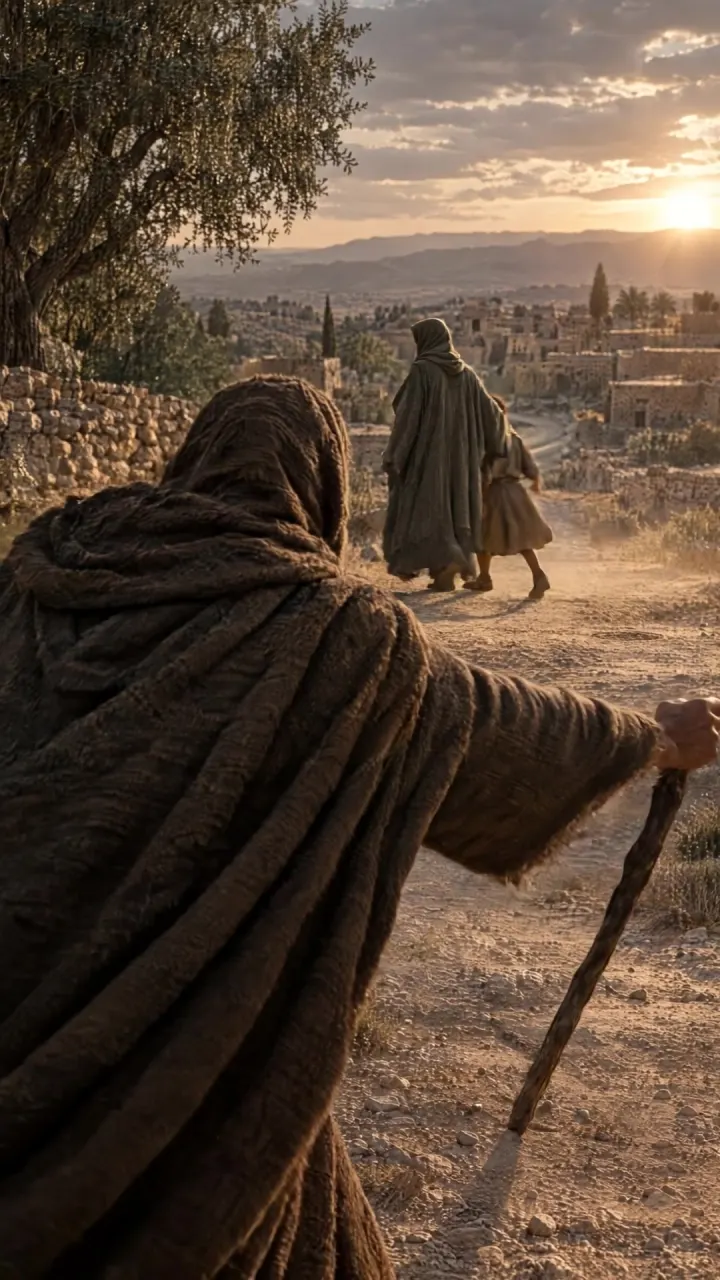
Children understand these stories best when they meet them as stories first. Start with the scenes children connect with: a boy telling his father about a dream of stars, a father calling his son to a ship, a baby floating safely in a basket on a river. Then ask simple questions: Why did Ya'qub tell Yusuf to keep the dream secret? What did Ibrahim say when his father was angry? How did the mother of Musa feel, and what did Allah promise her?
QASAS, a free prophet stories app, was made for exactly this. Its cinematic stories, including Nuh and His Son, Yusuf's Dream, Ibrahim and the Idols and Musa and al-Khidr, can be watched or read page by page, and each ends with a short quiz. For your own reading, the app has the full mushaf with tafsir (al-Muyassar and Ibn Kathir), word by word meanings and bookmarks, so you can open Surah Luqman or Surah Yusuf right after the story. Islamic stories for kids sit beside prayer times, the qibla and a 3D tasbih, with no ads and no account. For age-friendly versions, see the story of Prophet Yusuf for kids and the story of Prophet Nuh for kids.
Frequently asked questions
What does the Quran say about parents and children?
The Quran commands kindness to parents right after the worship of Allah (17:23) and tells believers to protect their families by guiding them (66:6). Ibn Kathir notes that worship of Allah and kindness to parents are mentioned together many times. The stories of Luqman, Ibrahim, Ya'qub, Nuh and the mother of Musa show these commands in real families.
What was Luqman's advice to his son?
Luqman told his son not to associate anything with Allah, that Allah brings forward even a mustard-seed's weight of deeds, to establish prayer, enjoin good, forbid evil, be patient, avoid arrogance, walk moderately and lower his voice (31:13-19). Al-Sa'di says this advice gathers the foundations of wisdom, and that each command came with its reason.
Why did Ibrahim ask Isma'il "see what you think"?
Ibrahim told his son about the dream and asked his view, even though Allah's command had to be obeyed. Ibn Kathir explains that he did this to make it easier for his son and to test his patience and obedience at a young age. Isma'il answered "O my father, do as you are commanded" and promised patience if Allah willed (37:102).
How did Prophet Ibrahim treat his idol-worshipping father?
He called him four times with "O my father", explained gently why idols cannot help, and told him he feared punishment for him (19:42-45). When his father threatened to stone him, he answered "Peace be upon you" and promised to ask forgiveness for him (19:47). Al-Sa'di says he did not insult or hurt him in any way.
Why did Nuh's son refuse to board the Ark?
He did not believe, and he trusted a mountain to save him from the water (11:43). Nuh answered that nothing protects from Allah's decree that day except His mercy. Al-Tafsir al-Muyassar explains that the son was not of the family Allah promised to save because of his disbelief, which shows that faith cannot be inherited from a parent.
Which prophets are described as dutiful to their parents in the Quran?
Yahya is described as “dutiful to his parents”
(Quran 19:14), and 'Isa says Allah made him “dutiful to my mother”
(Quran 19:32). Isma'il is also shown obeying his father in 37:102, and Ibrahim stayed gentle with his father while refusing his idols.
What du'a does the Quran teach for righteous children?
Ibrahim prayed “My Lord, grant me [a child] from among the righteous.”
(Quran 37:100) The servants of the Most Merciful pray “Our Lord, grant us from among our wives and offspring comfort to our eyes”
(Quran 25:74), and the believer of forty prays “make righteous for me my offspring”
(Quran 46:15). Ibn Kathir explains these as asking for children who obey and worship Allah alone.
Sources
Quran: 2:127-128, 2:132-133, 3:35-37, 6:74, 11:42-47, 12:4-5, 12:13, 12:18, 12:86-87, 12:92, 12:97-98, 14:40-41, 17:23-24, 18:82, 19:6, 19:14, 19:32, 19:42-47, 25:74, 28:7-13, 31:13-19, 37:100-107, 46:15, 66:6. Tafsir: al-Tafsir al-Muyassar on all of the above; Ibn Kathir on 12:5, 17:23 (through 31:13-14), 18:82, 19:43, 25:74, 31:13, 37:100-102, 66:6; al-Sa'di (Taysir al-Karim al-Rahman) on 2:132, 3:36, 11:42, 11:46, 12:5, 12:98, 14:40, 19:14, 19:42, 19:47, 28:11, 31:12-19, 37:102, 18:82.
Updated: · By QASAS